HEALTH
DIET
What Makes Food 'Light' and How to Eat Lightly for Better Health
Team Vasundhara
|
Share to
Discover what makes food 'light' and how to eat lightly for better digestion, energy, and overall health without restriction. Learn about nutrtion and diet
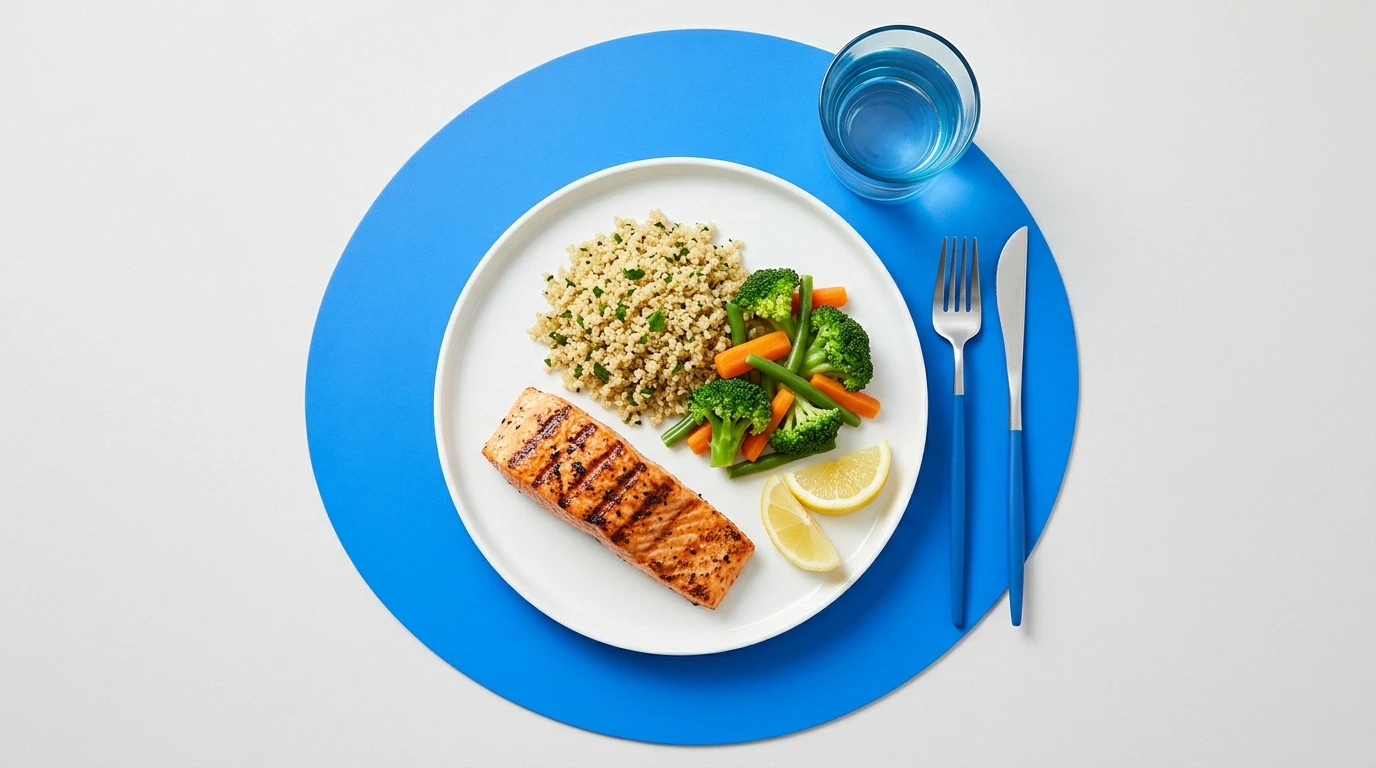
"Light food" sounds like a diet term, but it shouldn't. It’s not about eating less or surviving on rice cakes. It’s about eating in a way that doesn't leave you feeling heavy, bloated, or ready for a nap by 3 PM.
The concept is simple: choose foods that nourish you without taxing your digestion. It's the difference between a meal that sits in your stomach like a rock and one that gives you steady, clean energy. It’s not about restriction it’s about feeling good.
What actually makes food "light"
It’s not just calories. A small samosa is lower in calories than a large bowl of dal, but the dal is "lighter" on your body.
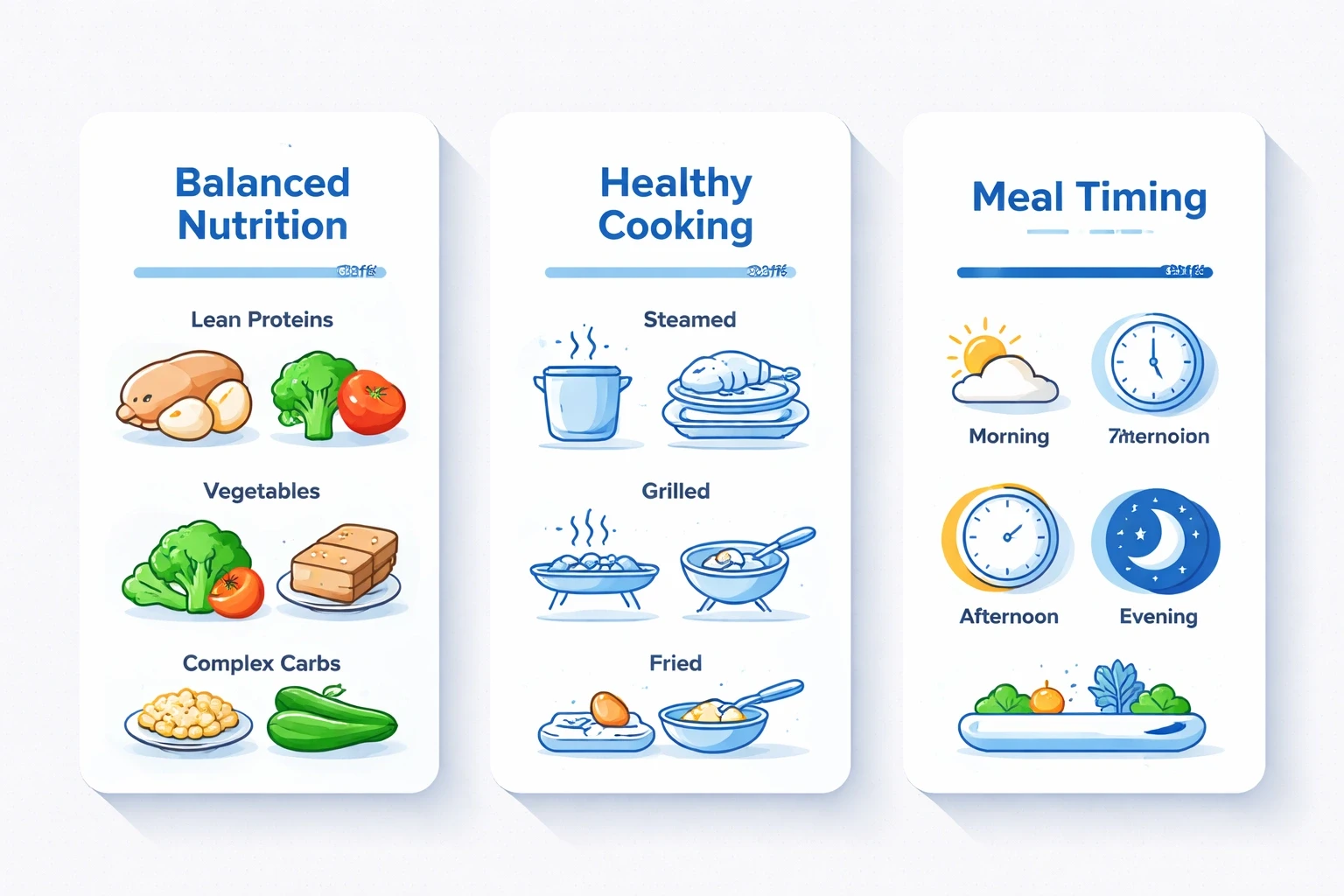
Light food digests efficiently. It typically involves lean proteins, vegetables, and complex carbs in portions that make sense for your activity level. The cooking method is the real variable here. Steamed vegetables and grilled fish move through your system easily. Deep-fried food, even in small amounts, slows everything down.
Timing is huge, too. Eating a heavy meal right before bed is a guaranteed way to wreck your sleep quality. A good personalized nutrition plan looks at your daily rhythm, not just your plate.
The building blocks
You want a mix of nutrients, but the type matters more than the math.
Protein: Stick to lean sources. Skinless chicken, fish like pomfret or rohu, egg whites, moong dal, or Greek yogurt. These give you satiety without the digestive lag of fatty meats.
Vegetables: Fill half your plate with non-starchy stuff. Spinach, bottle gourd, broccoli, peppers, cucumber. This is where you get your volume and fiber without the heaviness.
Carbs: Go for the complex ones brown rice, quinoa, oats, sweet potato. White rice and maida spike your blood sugar and lead to that inevitable crash.
Fats: Don't fear them, just measure them. Ghee, olive oil, or coconut oil are great, but they add up fast. Stick to a teaspoon or two per meal.
Hydration: Often overlooked. Buttermilk, coconut water, or plain water keep things moving. Dehydration is a common cause of that sluggish, heavy feeling.
Cooking methods make or break it
You can take a healthy ingredient and ruin it with a deep fryer.
Steaming: Zero oil, retains nutrients. Idlis, dhoklas, steamed fish these are staples for a reason.
Grilling: Adds flavor through char, not fat. A marinade of yogurt and spices makes grilled chicken or fish taste indulgent without actually being heavy.
Boiling: Essential for dals and legumes. Add your spices while cooking so you don't feel the need to compensate with a heavy tempering afterward.
Baking: Roasting vegetables concentrates their natural sweetness without needing much oil. Baked sweet potato wedges or fish are easy wins.
Stir-frying: Use a non-stick pan and a splash of oil or water. It keeps the crunch and nutrients intact without the grease soak.
Timing your meals
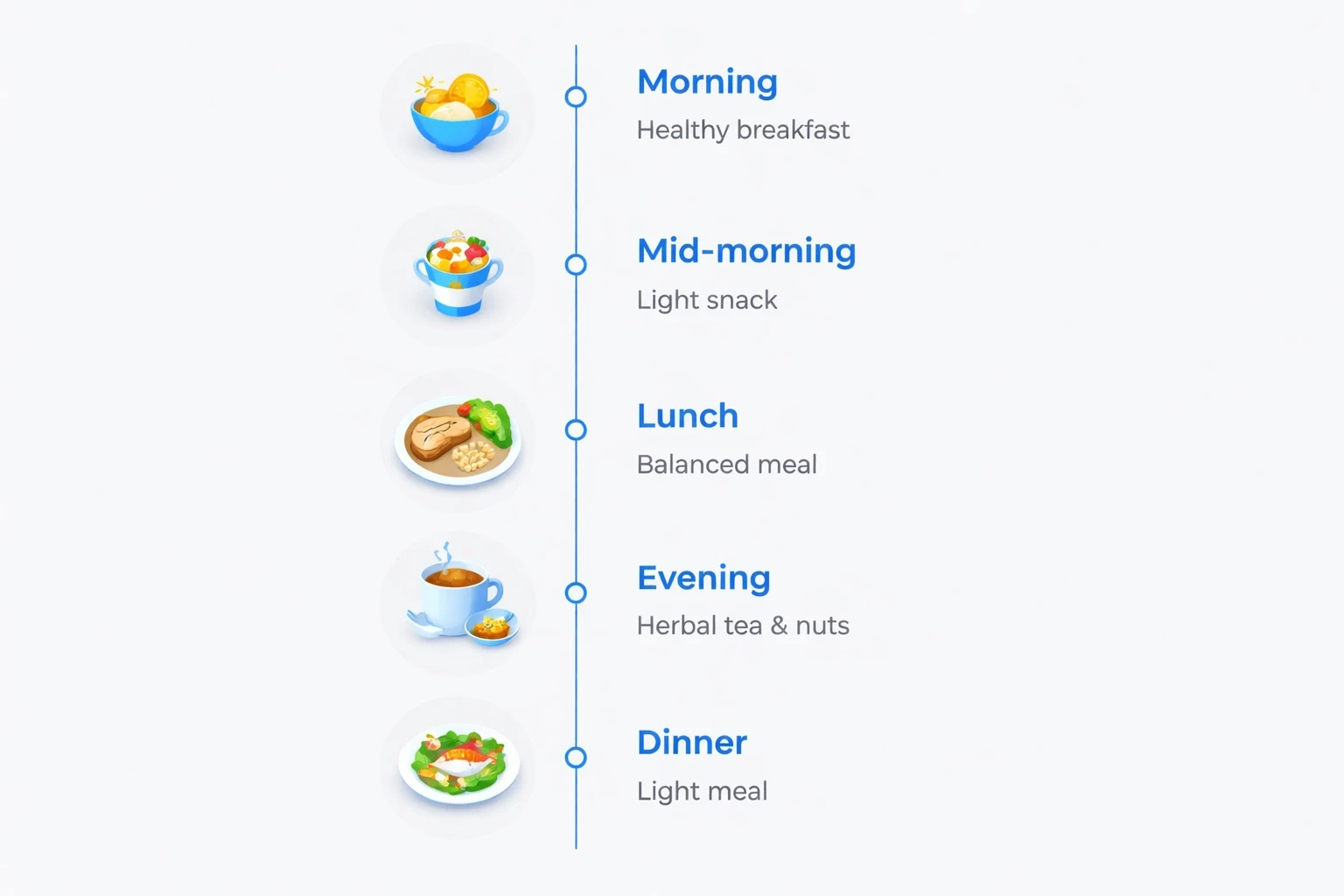
Morning: Start with something that wakes up your digestion, not shocks it. Vegetable upma, moong dal chila, or oatmeal work well.
Mid-morning: A small bridge snack a fruit, some buttermilk stops you from ransacking the kitchen at lunch.
Lunch: This can be your main meal. A tailor-made diet plan can help you size this for your afternoon, but the rule of thumb is: grain, protein, lots of veggies.
Evening: Metabolism starts to slow here. Keep it light herbal tea with makhana or a small bowl of sprouts. This is the danger zone for unhealthy snacking, so plan for it.
Dinner: Make this your lightest meal. Soup, steamed veggies, a light dal. Try to finish at least three hours before bed. Digesting a heavy meal while trying to sleep is a recipe for heartburn.
Why bother?
Weight management: It’s effective because it’s sustainable. You’re eating high-volume foods that fill you up, so you don’t feel deprived. This avoids the backlash that comes with crash diets.
Digestion: If you have a sensitive gut, this approach is basically a cure. Less bloating, less inflammation.
Energy: Heavy meals divert blood flow to your stomach (that's why you get sleepy). Light meals keep fuel going to your brain and muscles.
Hormones: Stable blood sugar helps with everything from PCOS to thyroid function. Personalized nutrition is often key here because hormonal needs are individual.
The common traps
Skipping meals: Your body adapts by slowing your metabolism, and you end up overeating later. Not worth it.
Demonizing food groups: "No carbs" or "no fat" usually leads to a binge later. You need both for brain function and hormone production.
"Diet" foods: Processed low-calorie snacks are often full of filler ingredients that leave you feeling unsatisfied and weirdly hungry. Eat real food.
Portions: Even healthy food has limits. A jar of nuts is still a lot of calories.
Speed: It takes your brain 20 minutes to realize you're full. Slow down.
Making it actually taste good
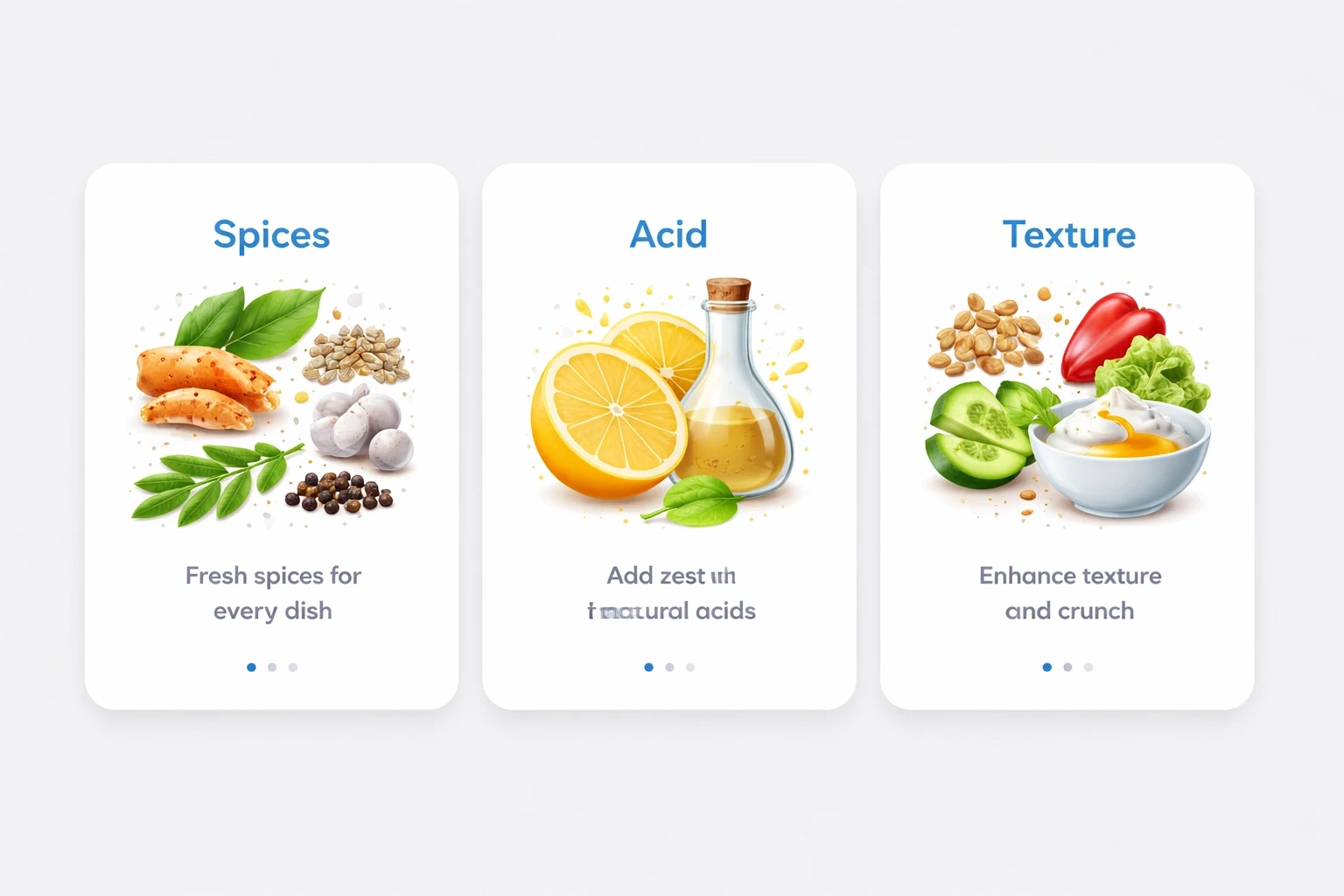
Light food has a reputation for being bland. That's a cooking problem, not a food problem.
Spices: Use them. Turmeric, cumin, ginger, garlic, curry leaves, black pepper. They add layers of flavor without calories.
Acid: A squeeze of lemon or vinegar cuts through and brightens a dish. It makes simple grilled food taste finished.
Texture: Contrast is satisfying. Crunchy seeds on soft yogurt. Crisp veggies with tender grains. It keeps your brain engaged.
Real life happens
Travel: Pack your own snacks. Nuts, makhana, fruit. At restaurants, look for the words "grilled" or "steamed," not "crispy" or "fried."
Social events: Don't arrive starving. Have a small snack beforehand so you aren't making decisions from a place of hunger.
Festivals: Enjoy the treats. Just don't treat every day like a festival. Balance a heavy lunch with a light dinner.
Work: If you wait until you're stressed and hungry to think about food, you'll make bad choices. Keep healthy snacks in your desk.
The long game
The benefit of eating this way isn't just weight loss. It's that you just feel better. Your digestion works. Your energy is stable. You sleep better. It lowers systemic inflammation, which is the quiet culprit behind a lot of long-term health issues.
Getting started
Don't overhaul your entire diet overnight. Start with one meal maybe breakfast. Once that sticks, look at lunch.
Keep a food diary for a week. Note not just what you ate, but how you felt afterward. You'll start seeing patterns you didn't notice before.
If you're confused or have specific health goals, get help. A nutritionist can save you months of trial and error. Structured diet plans are helpful because they remove the daily decision fatigue.
Kitchen essentials
If your kitchen is set up for it, you're halfway there. Keep your grains, dals, and spices visible and accessible. Prep your veggies when you get home from the store so they're ready to cook. It’s much harder to justify ordering takeout when the healthy option is already prepped.
Light eating isn't a punishment. It's just eating in a way that respects your body's limits and needs. It helps you feel good after a meal, which is how it should be. If you need a hand building a plan that fits your actual life, professional nutrition guidance is a solid place to start.
More Blog Post
HEALTH
DIET
Why Generic Diets Fail: Personalized Nutrition Tips for Your Body
Discover why generic diets fail and how personalized nutrition can fix fatigue, gut issues, weight plateaus, and hormone imbalances.
Team Vasundhara
|
HEALTH
DIET
Sustainable Weight Loss: Avoid Crash Diets & Fix Your Metabolism
Crash diets fail. Learn sustainable weight loss tips to fix metabolism, eat real food, and build healthy habits for lasting results.
Team Vasundhara
|
HEALTH
DIET
What Makes Food 'Light' and How to Eat Lightly for Better Health
Discover what makes food 'light' and how to eat lightly for better digestion, energy, and overall health without restriction. Learn about nutrtion and diet
Team Vasundhara
|

HEALTH
DIET
Low-Calorie Dinner Ideas for Better Sleep & Energy
Discover low-calorie dinner recipes that boost sleep, reduce blood sugar spikes, and keep you energized. Nutrient-dense, satisfying meals under 450 calories. Read more.
Team Vasundhara
|

HEALTH
DIET
Optimize Meals with Body Rhythm: Personalized Nutrition Guide
Align meals with your body’s rhythm to boost digestion, energy, and weight loss. Get personalized nutrition tips for lasting health.
Team Vasundhara
|
HEALTH
DIET
Healthy Workplace Snacks to Avoid the 3 PM Crash | Vasundhara
Protein‑rich, nutrient‑dense snacks to keep you energized all day and prevent the 3 PM crash. Smart office snacking. #HealthyWorkplace #WeightLoss
Team Vasundhara
|
HEALTH
DIET
Smart Evening Snacks: Fuel Your Body, Not Your Cravings
Learn why you get hungry at night, how smart snacks prevent overeating, boost sleep, and aid sustainable weight loss.
Team Vasundhara
|
HEALTH
DIET
Beat the 4 PM Slump with Healthy Snacks | Metabolism Health
Beat the 4 PM slump with smart snacks. Protein, fiber & healthy fats keep you full, avoid crashes. Sustainable weight loss starts now.
Team Vasundhara
|
HEALTH
DIET
Lunch Fix: 30% Protein, 40% Veggies, 30% Carbs for Weight Loss
Discover the 30% protein, 40% veggies, 30% carbs lunch formula to stabilize blood sugar and avoid cravings. Simple, effective, and easy to prepare.
Team Vasundhara
|
HEALTH
DIET
The Science of Mid-Morning Snacks: Boost Metabolism & Energy
Discover why mid-morning snacks boost metabolism, balance hormones, and prevent overeating. Explore 10 healthy options for sustained energy.
Team Vasundhara
|
HEALTH
DIET
Healthy Office Lunch Ideas: 30-40-30 Formula for Energy
Pack a nutritious office lunch using the 30-40-30 formula. Stay full, avoid crashes, and boost productivity with simple lunch box tips.
Team Vasundhara
|
HEALTH
DIET
Smart Snacking Strategies for Healthy Weight Gain
Effective weight‑gain snack ideas that support digestion, avoid empty calories, and boost nutrient intake for sustainable muscle growth.
Team Vasundhara
|
HEALTH
DIET
Healthy 4 PM Snacks to Avoid Evening Binges
Healthy 4 PM snack ideas to stabilize blood sugar, prevent evening binges, and support weight loss, PCOS, and metabolism with nutrient-dense options.
Team Vasundhara
|
HEALTH
DIET
The 30-40-30 Lunch Formula: Beat Afternoon Slumps
Discover the 30-40-30 lunch formula for sustained energy. Balance protein, veggies, and carbs to avoid afternoon crashes and boost productivity.
Team Vasundhara
|
HEALTH
DIET
Healthy Hot Snacks: Beat the 3 PM Slump Without Crashing
Satisfy your 3 PM hunger with hot, nutrient-rich snacks that boost metabolism and avoid blood sugar crashes. Discover quick, healthy options here.
Team Vasundhara
|

HEALTH
DIET
30-40-30 Lunch Formula: Beat Afternoon Slumps with Healthy Meals
15 healthy lunch recipes using the 30-40-30 macro formula (protein, veg, carbs) for energy boost, meal prep tips, and portion control.
Team Vasundhara
|

HEALTH
DIET
Healthy Snack Recipes: Homemade Alternatives to Processed Foods
Discover healthy, homemade snack recipes that beat processed snacks. Get sustained energy with fresh, nutrient-packed options.
Team Vasundhara
|
HEALTH
DIET
7 Fertility-Boosting Foods for Optimal Reproductive Health
Explore 7 nutrient-rich foods that aid hormonal balance, egg quality & reproductive health—like fatty fish and leafy greens—to boost fertility.
Team Vasundhara
|
HEALTH
DIET
PCOS & Thyroid Diet Chart: Balanced Eating for Hormonal Health
PCOS & thyroid diet chart balances insulin, hormones, and metabolism for stable blood sugar, thyroid support, and sustainable weight loss.
Team Vasundhara
|
HEALTH
DIET
PCOS-Friendly Fruits: What to Eat & Avoid
Manage PCOS symptoms with the right fruit choices. Learn which fruits to eat and avoid for hormonal balance and insulin resistance.
Team Vasundhara
|
HEALTH
DIET
Managing High Testosterone: Diet Tips for Women
Diet tips to lower high testosterone in women: spearmint, flaxseeds, green tea and other anti‑androgen foods for natural hormonal balance.
Team Vasundhara
|
HEALTH
DIET
Dates & PCOS: Sugar‑Sweetened Fruits Impact Insulin Resistance
Dates high in sugar can spike insulin and worsen PCOS. Pair with protein to improve blood sugar control and hormone balance.
Team Vasundhara
|

HEALTH
DIET
PCOD Diet Chart: Insulin-Stable Meals & Hormone Balance
Structured PCOD diet chart with low‑glycemic meals, lean protein, anti‑inflammatory fats to stabilize insulin and balance hormones.
Team Vasundhara
|
HEALTH
DIET
Milk & PCOS: How Dairy Impacts Hormones & Insulin Resistance
Discover dairy's impact on PCOS, insulin resistance, hormones. Compare A1 vs A2 milk, fermented benefits, and personalized PCOS solutions.
Team Vasundhara
|
HEALTH
DIET
PCOS Indian Diet: Hormonal Balance with Heritage Foods
Traditional Indian foods like bajra roti & paneer help PCOS: balance insulin, lower androgens, thrive on a heritage diet.
Team Vasundhara
|

HEALTH
DIET
Best Morning Drink for PCOS: Fenugreek or Jeera Water
Warm water with soaked fenugreek or jeera‑methi seeds: top PCOS morning drink, stabilizes sugar, reduces bloating, boosts insulin sensitivity.
Team Vasundhara
|
HEALTH
DIET
IVF Diet Chart: Stage-Specific Nutrition for Fertility Success
IVF diet chart for each treatment stage—boost egg quality, implantation & hormone balance during stimulation, retrieval, and two‑week wait.
Team Vasundhara
|
HEALTH
DIET
Realistic PCOS Weight Loss: 2-4 kg in a Month Without Crash Diets
Achieve 2-4 kg PCOS weight loss in a month with sustainable habits. Avoid crash diets and focus on consistency for long-term results.
Team Vasundhara
|
HEALTH
DIET
Why HIIT Might Harm PCOS & Better Workouts
Discover why intense workouts like HIIT can worsen PCOS symptoms and learn PCOS-friendly exercises that support hormonal balance and weight loss.
Team Vasundhara
|

HEALTH
DIET
India's 2026 Double Burden: Undernutrition and Obesity Coexist
Explore India's 2026 nutrition crisis: undernutrition meets obesity, micronutrient gaps, and failing generic diets. Embrace personalized nutrition.
|

HEALTH
DIET
Protein-Rich Indian Snacks for a Healthy July 2026
Discover affordable, protein‑rich Indian snacks to fuel your day without imported bars. Build a snack routine that keeps you full and focused
|
HEALTH
DIET
Personalized Nutrition vs National Programs in India
Learn how India's National Nutrition Programs set health standards and how personalized nutrition tailors to individual needs for optimal results.
|

HEALTH
DIET
Personalized Thyroid Diet: 5 Key Nutrients for Health
Get a personalized thyroid diet chart, essential nutrients, timing tips, avoid mistakes, and boost metabolism with expert advice.
|
HEALTH
DIET
India's 2026 Nutrition Policy vs. Personalized Health Needs
India's 2026 Nutrition Policy targets the masses, but misses individual health. Learn why personalized nutrition is key for real results.
|

HEALTH
DIET
Coffee, PCOS & Moderation: What You Need to Know
Discover how coffee impacts PCOS. Learn about cortisol, timing, and additives that matter. Find out safe consumption tips for women with PCOS.
|