
HEALTH
DIET
Low-Calorie Dinner Ideas for Better Sleep & Energy
Vinamra
|
Share to
Discover low-calorie dinner recipes that boost sleep, reduce blood sugar spikes, and keep you energized. Nutrient-dense, satisfying meals under 450 calories. Read more.
Dinner is where good intentions often die. You eat right all day, then 9 PM hits and the fridge starts calling. But here’s the thing: eating a heavy meal late doesn't just add calories. It disrupts your sleep, spikes your morning blood sugar, and leaves you sluggish.
A low-calorie dinner isn't about eating tiny portions of sad food. It's about hitting a sweet spot usually 300 to 450 calories where you feel satisfied but light. Done right, this meal supports overnight repair instead of burdening your digestion.
What Actually Makes a Dinner "Low-Calorie"
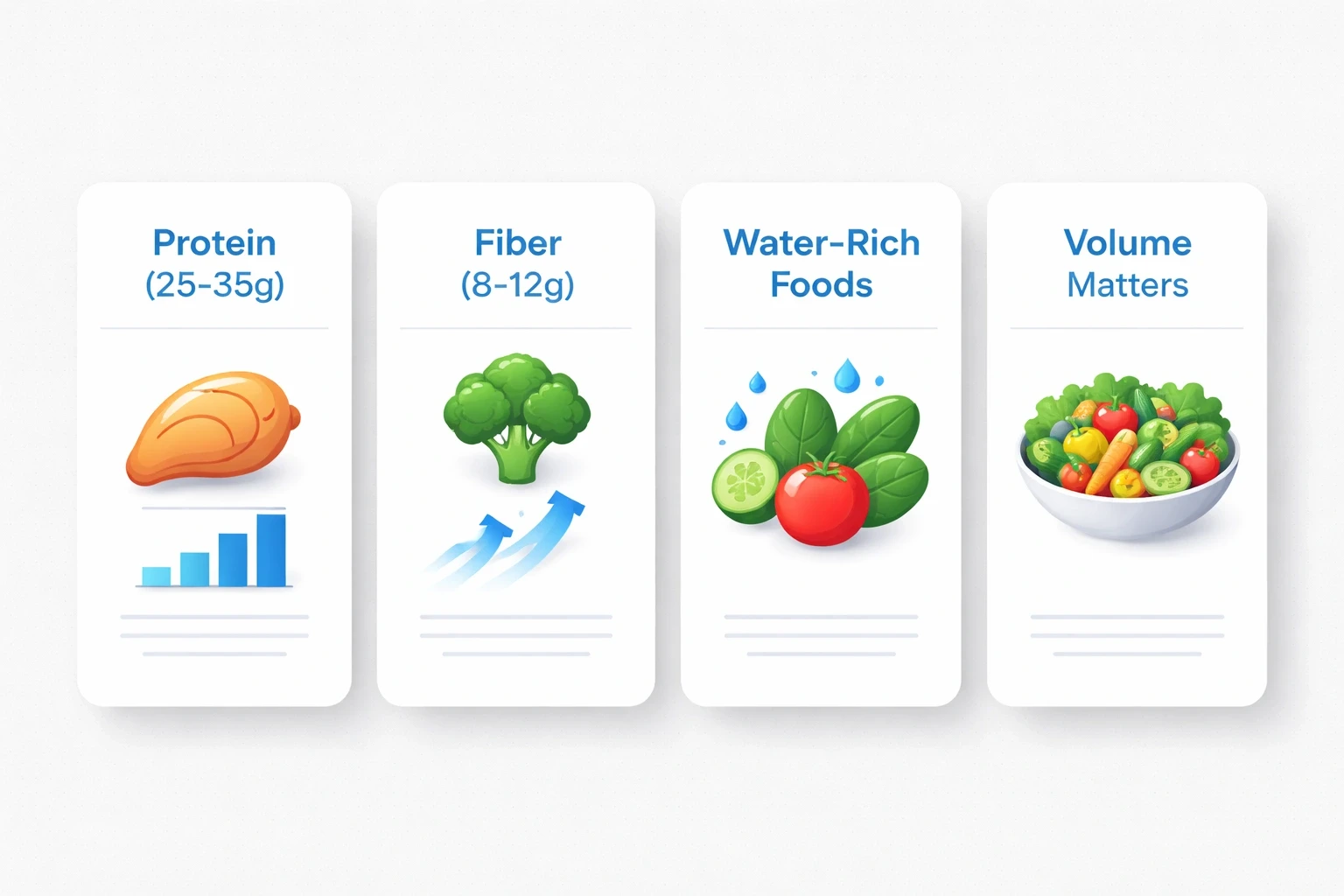
It’s not just the calorie count. To feel full on 400 calories, you need specific nutrients.
You want 25–35 grams of protein and 8–12 grams of fiber. This prevents the midnight munchies and keeps your muscles happy. If you just eat a small bowl of pasta, you’ll be hungry in two hours. If you eat a chicken breast with broccoli, you won’t.
Volume matters more than you think. Foods with high water content zucchini, tomatoes, leafy greens physically fill your plate and your stomach. A cup of spinach is 7 calories. A cup of rice is 130. You can eat a mountain of spinach for less energy than a few bites of rice.
Watch out for "health" traps. Granola, trail mix, and smoothie bowls are calorie bombs. Even "healthy" whole wheat pasta is 174 calories a cup before you add a drop of sauce or oil.
Four Dinners That Actually Work
I rely on a simple formula: half the plate is vegetables, a quarter is protein, a quarter is complex carbs (or just more veg). Here are four combinations I use constantly.
Grilled Protein Bowl (385 calories)
120g grilled chicken breast (198 calories)
1 cup steamed broccoli (55 calories)
1 medium roasted sweet potato (112 calories)
1 teaspoon olive oil (40 calories)
Lemon juice, herbs, black pepper
Marinate the chicken in yogurt, turmeric, and garlic for 30 minutes if you have time. Roast the sweet potato at 200°C for 25 minutes. It takes about 20 minutes of actual work.
Fish with Vegetable Medley (342 calories)
150g baked basa fillet (159 calories)
1 cup sautéed bell peppers (38 calories)
1 cup sautéed zucchini (28 calories)
100g cherry tomatoes (18 calories)
1.5 teaspoons coconut oil (60 calories)
Cumin, coriander powder, salt
Bake the fish with mustard paste and lemon at 180°C for 15 minutes. Sauté the veggies for 8 minutes. You get omega-3s and a lot of food on the plate for very few calories.
Lentil-Vegetable Khichdi (395 calories)
40g moong dal (140 calories)
40g brown rice (140 calories)
1 cup mixed vegetables (50 calories)
1 teaspoon ghee (45 calories)
Cumin seeds, ginger, turmeric
Pressure cook the dal, rice, and veg for 3 whistles. Temper with ghee and cumin. It’s comfort food that digests easily.
Paneer Tikka Salad (418 calories)
80g low-fat paneer (212 calories)
2 cups mixed salad greens (16 calories)
1 cup cucumber slices (16 calories)
1 medium carrot, grated (25 calories)
100g bell peppers (31 calories)
2 teaspoons mint-coriander chutney (20 calories)
1 tablespoon Greek yogurt dressing (35 calories)
Marinate paneer in hung curd and spices. Grill or air-fry at 200°C for 12 minutes. Toss with the fresh veg.
These combinations follow principles outlined in our guide to eating lightly, where nutrient density takes precedence over calorie restriction alone.
The Swaps That Save You
You can shave 150–300 calories off a meal without noticing a difference in taste. It’s about how you cook, not just what you cook.
Oil is the big one. A tablespoon is 120 calories. If you pour directly from the bottle, you’re probably adding 300+ calories without realizing it. Use a spoon. Or better yet, use a spray or sauté with broth.
Swap rice for grated cauliflower. I know, it sounds like a sad diet hack. But seasoned with cumin and coriander, it works. One cup of rice is 205 calories. One cup of cauliflower rice is 25.
Swap cream for Greek yogurt. Two tablespoons of heavy cream is 103 calories. Greek yogurt is 18 calories and adds protein.
Swap pasta for zucchini noodles. Spiralized zucchini is 20 calories a cup. Pasta is 174. Top with a tomato-based sauce, not cream, and you’re golden.
These tactics support sustainable weight management by reducing calories gradually rather than through deprivation.
You Don’t Need a Scale
I don’t make clients weigh their food. Use your hand.
Your palm (no fingers) is a serving of protein about 80–100g.
Your cupped hand is a serving of vegetables.
Your thumb tip is a serving of fat (oil, ghee, nut butter).
Fill half your plate with veg, a quarter with protein, a quarter with carbs. Use a 9-inch plate, not a 12-inch one. The smaller plate makes the portion look bigger, which actually tricks your brain into feeling more satisfied.
Where Calories Hide
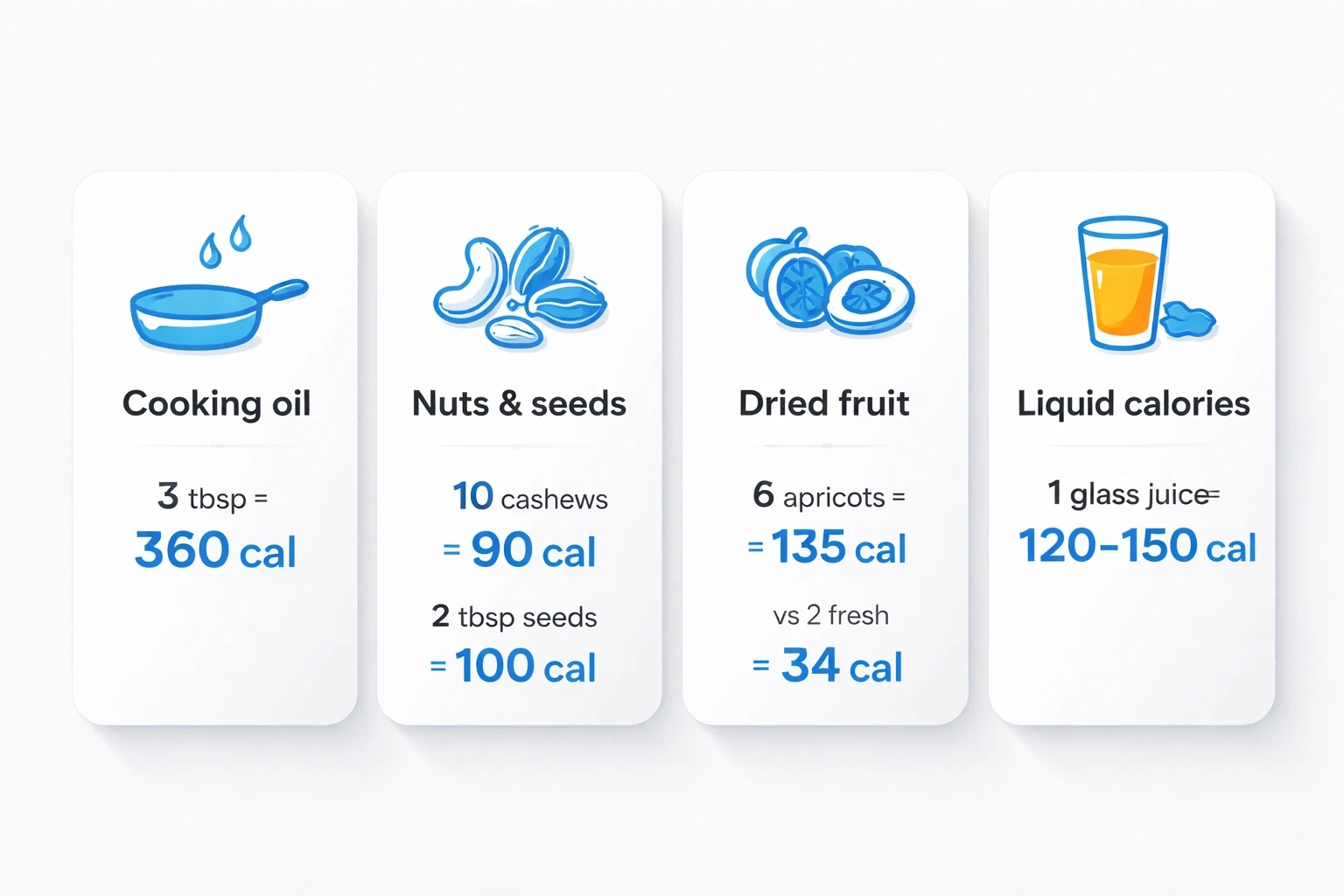
People often think they’re eating light but aren’t. Here are the usual suspects.
Cooking oil: If you don't measure it, you're using too much. Three tablespoons is 360 calories before the food even hits the pan.
Nuts and seeds: Healthy, but dense. Ten cashews is 90 calories. Two tablespoons of seeds is 100 calories. They turn a 350-calorie salad into 550 fast.
Dried fruit: Six dried apricots are 135 calories. Two fresh ones are 34. The water in fresh fruit fills you up; the lack of it in dried fruit concentrates the sugar.
Liquid calories: A glass of juice is 120–150 calories. It doesn't fill you up. Sweet lassi is 150–180. Drink water or unsweetened buttermilk.
Speed: If you inhale your dinner in 5 minutes, your brain doesn't have time to register fullness. Slow down. Put the fork down between bites.
Distracted eating scrolling on your phone while eating increases intake by 25%. Understanding why generic approaches fail helps you recognize these patterns in yourself.
When You Eat Matters
Try to finish dinner 3–4 hours before bed. Your insulin sensitivity drops by 50% after 9 PM. The same meal eaten at 7 PM processes differently than one eaten at 10 PM.
A 12-hour fast (finishing dinner at 8 PM, eating breakfast at 8 AM) gives your body a chance to switch from digestion to repair mode.
If you’re ravenous before dinner, have a small snack at 4 PM. An apple or some cucumber with hummus prevents the 7 PM binge.
Weekends are hard. Late dinners happen. Just prioritize protein and vegetables, skip the bread basket, and don't drink too much alcohol. One off meal doesn't ruin progress; a pattern of late nights does.
The Vegetables That Do the Heavy Lifting
Focus on high-water veg. Cucumber, bottle gourd, cabbage, lettuce they are 95% water. You can eat huge portions for 15–25 calories a cup.
Broccoli and cauliflower are workhorses. Roast them at high heat (220°C) to get crispy edges. Mushrooms give you that savory, meaty feel for 21 calories a cup. Leafy greens like spinach and methi should be everyday staples.
Protein Is the Anchor
Lean proteins keep dinners light. Chicken breast (165 cal/100g) and white fish (90–120 cal/100g) are the best options. Grill or bake them.
If you’re vegetarian, tofu (144 cal/100g) and moong dal (105 cal/100g) are your friends. Paneer is tricky regular paneer is 265 calories per 100g because of the fat. Use low-fat versions or stick to 80g portions.
Cooking Methods That Cut Calories
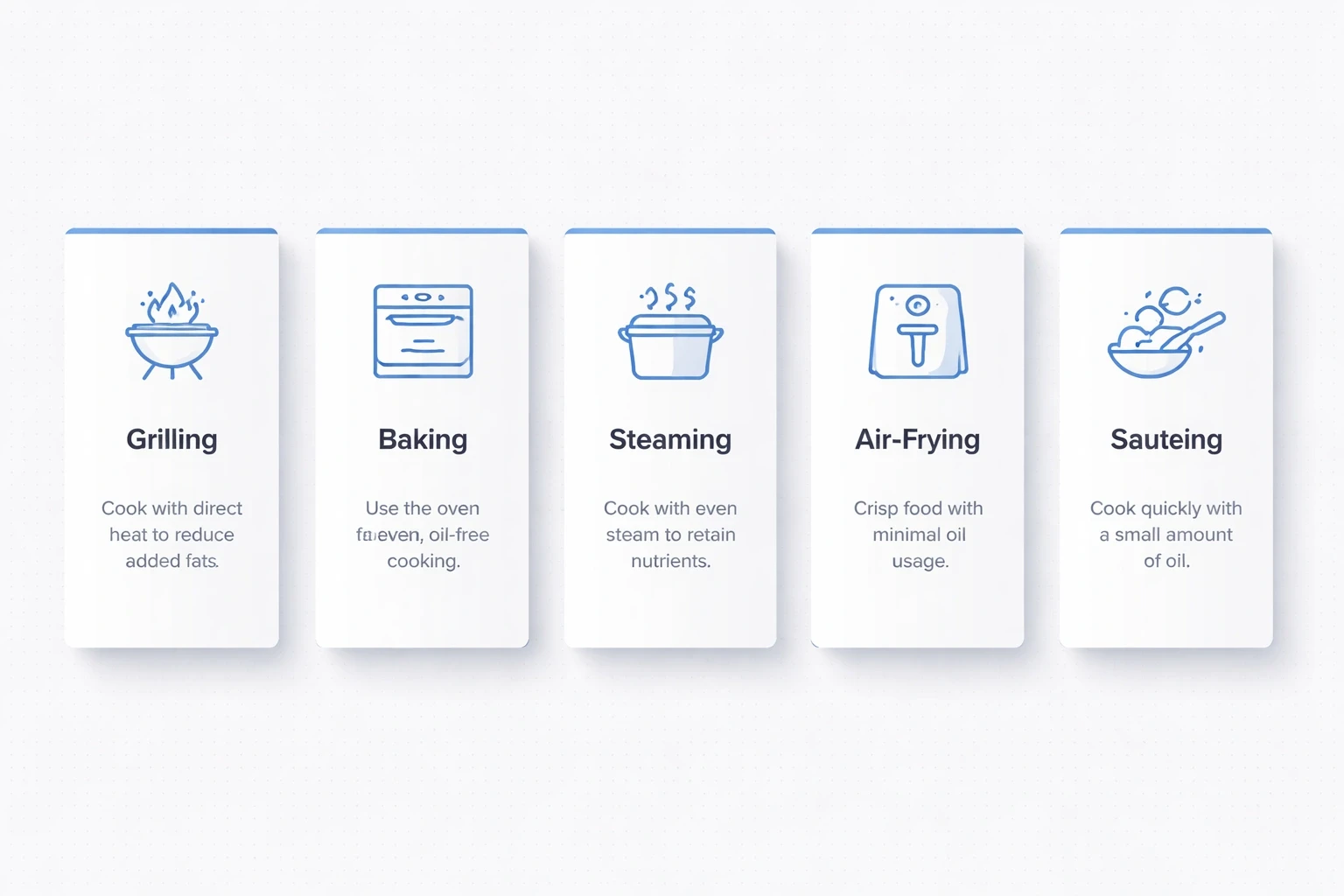
How you cook matters as much as what you cook.
Grilling and baking require little to no added fat.
Steaming preserves nutrients.
Air-frying gives you the crunch of frying without the oil slick.
If you sauté, use a non-stick pan and a measured teaspoon of oil.
Flavor Without the Calories
Spices are free. Turmeric, cumin, coriander, black pepper, ginger, garlic use them heavily. They make "diet food" taste like actual food.
Fresh herbs (cilantro, mint) and acid (lemon juice, vinegar) brighten dishes instantly. If a meal tastes bland, it usually needs more acid or salt, not more oil.
Planning Ahead
I spend 30 minutes on Sunday planning the week's dinners. It prevents the 6 PM "what are we eating?" panic that leads to takeout.
Wash and chop veg on the weekend. Cook a batch of brown rice or quinoa. Grill a big batch of chicken to use in salads or bowls. If you have emergency food ready (frozen veg, eggs, canned lentils), you’re less likely to order in.
Our tailor-made diet plans handle this scheduling for you if you don't want to think about it.
Restaurants and Social Eating
You can eat out without blowing your diet.
Look at the menu online first. Pick two options that look grilled or tandoori. Ask for sauce on the side. Ask for double veg instead of rice or potatoes.
Skip the bread basket. It’s usually 300+ calories of refined carbs you don't need.
If the portion is huge, box half immediately. Or split an entree.
Alcohol is where plans fall apart. One drink is 100–200 empty calories. If you drink, cut back on the food portion slightly.
"I'm Hungry at 10 PM"
If you’re hungry an hour after dinner, you probably didn’t eat enough protein or fiber. Fix the meal first.
Often, it’s not hunger it’s thirst or habit. Drink a glass of water and wait 15 minutes. If you’re watching TV and just want to snack, that’s habit. Break the routine.
If you are genuinely hungry, eat something small. Cucumber slices, herbal tea, or a small apple. Don't eat biscuits or chips they wipe out the calorie deficit you created at dinner.
Does This Actually Work?
Yes. Creating a 500-calorie deficit at dinner (swapping a 750-calorie meal for a 250-calorie one) results in about 0.5 kg of fat loss a week.
Clients who switch to lighter dinners report better sleep, less bloating, and more energy the next morning. It’s not about starving yourself; it’s about not burdening your body right before you sleep.
Real client results show 8–19 kg losses over 3–13 months. Client success stories show what consistency looks like.
Having help makes a difference. Regular monitoring by a qualified nutritionist increases adherence significantly. It’s harder to skip the plan when someone is checking in.
If you need a structured approach, our consultation packages provide the plans and the support. Low-calorie dinners aren't restrictive they're just smart eating that works with your body instead of against it.
More Blog Post
HEALTH
DIET
Why Generic Diets Fail: Personalized Nutrition Tips for Your Body
Discover why generic diets fail and how personalized nutrition can fix fatigue, gut issues, weight plateaus, and hormone imbalances.
Team Vasundhara
|
HEALTH
DIET
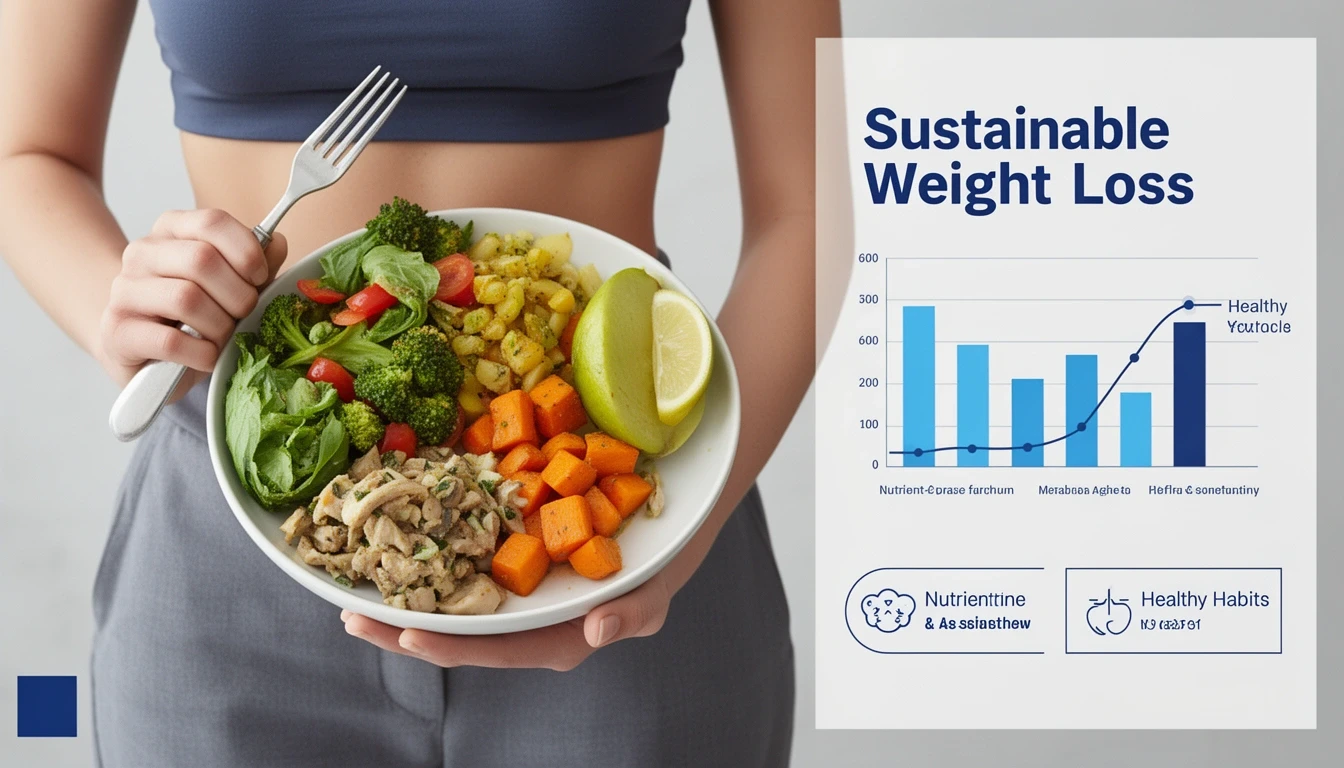
Sustainable Weight Loss: Avoid Crash Diets & Fix Your Metabolism
Crash diets fail. Learn sustainable weight loss tips to fix metabolism, eat real food, and build healthy habits for lasting results.
Team Vasundhara
|
HEALTH
DIET
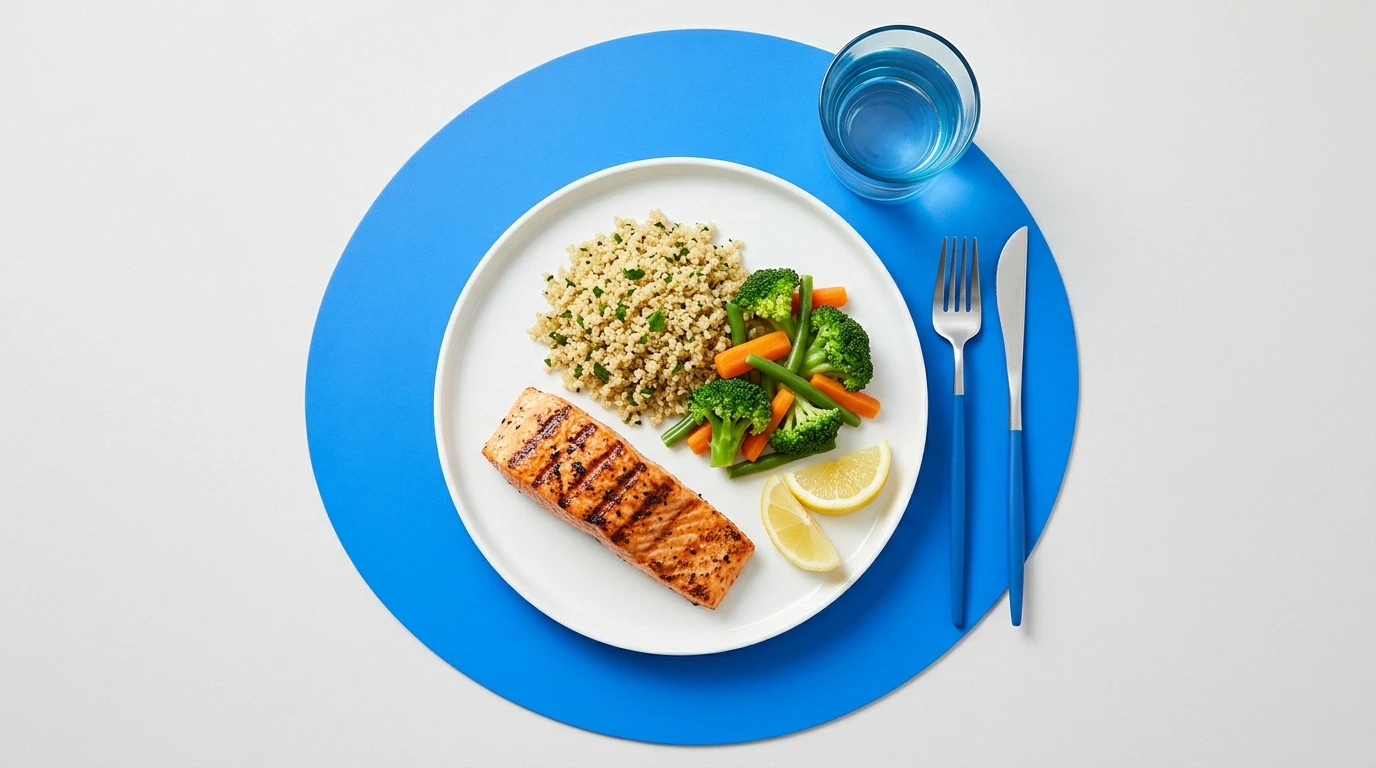
What Makes Food 'Light' and How to Eat Lightly for Better Health
Discover what makes food 'light' and how to eat lightly for better digestion, energy, and overall health without restriction. Learn about nutrtion and diet
Team Vasundhara
|
HEALTH
DIET
Low-Calorie Dinner Ideas for Better Sleep & Energy
Discover low-calorie dinner recipes that boost sleep, reduce blood sugar spikes, and keep you energized. Nutrient-dense, satisfying meals under 450 calories. Read more.
Team Vasundhara
|

HEALTH
DIET
Optimize Meals with Body Rhythm: Personalized Nutrition Guide
Align meals with your body’s rhythm to boost digestion, energy, and weight loss. Get personalized nutrition tips for lasting health.
Team Vasundhara
|
HEALTH
DIET
Healthy Workplace Snacks to Avoid the 3 PM Crash | Vasundhara
Protein‑rich, nutrient‑dense snacks to keep you energized all day and prevent the 3 PM crash. Smart office snacking. #HealthyWorkplace #WeightLoss
Team Vasundhara
|
HEALTH
DIET
Smart Evening Snacks: Fuel Your Body, Not Your Cravings
Learn why you get hungry at night, how smart snacks prevent overeating, boost sleep, and aid sustainable weight loss.
Team Vasundhara
|
HEALTH
DIET
Beat the 4 PM Slump with Healthy Snacks | Metabolism Health
Beat the 4 PM slump with smart snacks. Protein, fiber & healthy fats keep you full, avoid crashes. Sustainable weight loss starts now.
Team Vasundhara
|
HEALTH
DIET
Lunch Fix: 30% Protein, 40% Veggies, 30% Carbs for Weight Loss
Discover the 30% protein, 40% veggies, 30% carbs lunch formula to stabilize blood sugar and avoid cravings. Simple, effective, and easy to prepare.
Team Vasundhara
|
HEALTH
DIET
The Science of Mid-Morning Snacks: Boost Metabolism & Energy
Discover why mid-morning snacks boost metabolism, balance hormones, and prevent overeating. Explore 10 healthy options for sustained energy.
Team Vasundhara
|
HEALTH
DIET
Healthy Office Lunch Ideas: 30-40-30 Formula for Energy
Pack a nutritious office lunch using the 30-40-30 formula. Stay full, avoid crashes, and boost productivity with simple lunch box tips.
Team Vasundhara
|
HEALTH
DIET
Smart Snacking Strategies for Healthy Weight Gain
Effective weight‑gain snack ideas that support digestion, avoid empty calories, and boost nutrient intake for sustainable muscle growth.
Team Vasundhara
|
HEALTH
DIET
Healthy 4 PM Snacks to Avoid Evening Binges
Healthy 4 PM snack ideas to stabilize blood sugar, prevent evening binges, and support weight loss, PCOS, and metabolism with nutrient-dense options.
Team Vasundhara
|
HEALTH
DIET
The 30-40-30 Lunch Formula: Beat Afternoon Slumps
Discover the 30-40-30 lunch formula for sustained energy. Balance protein, veggies, and carbs to avoid afternoon crashes and boost productivity.
Team Vasundhara
|