HEALTH
DIET
Healthy Workplace Snacks to Avoid the 3 PM Crash | Vasundhara
Vinamra
|
Share to
Protein‑rich, nutrient‑dense snacks to keep you energized all day and prevent the 3 PM crash. Smart office snacking. #HealthyWorkplace #WeightLoss
Your 3 PM crash probably started with whatever you grabbed from the vending machine two hours earlier. Healthy workplace snacks aren't just about being "good" they're the difference between brain fog and actually getting work done between lunch and dinner.
Most office workers survive on chips, biscuits, or cafeteria samosas that spike insulin and leave you hungrier within an hour. I've seen this cycle destroy afternoons. You get irritable, can't focus, and by 4 PM you're counting minutes until you can leave. Strategic snacking with the right foods changes that entirely.
Why Traditional Office Snacks Sabotage Your Health
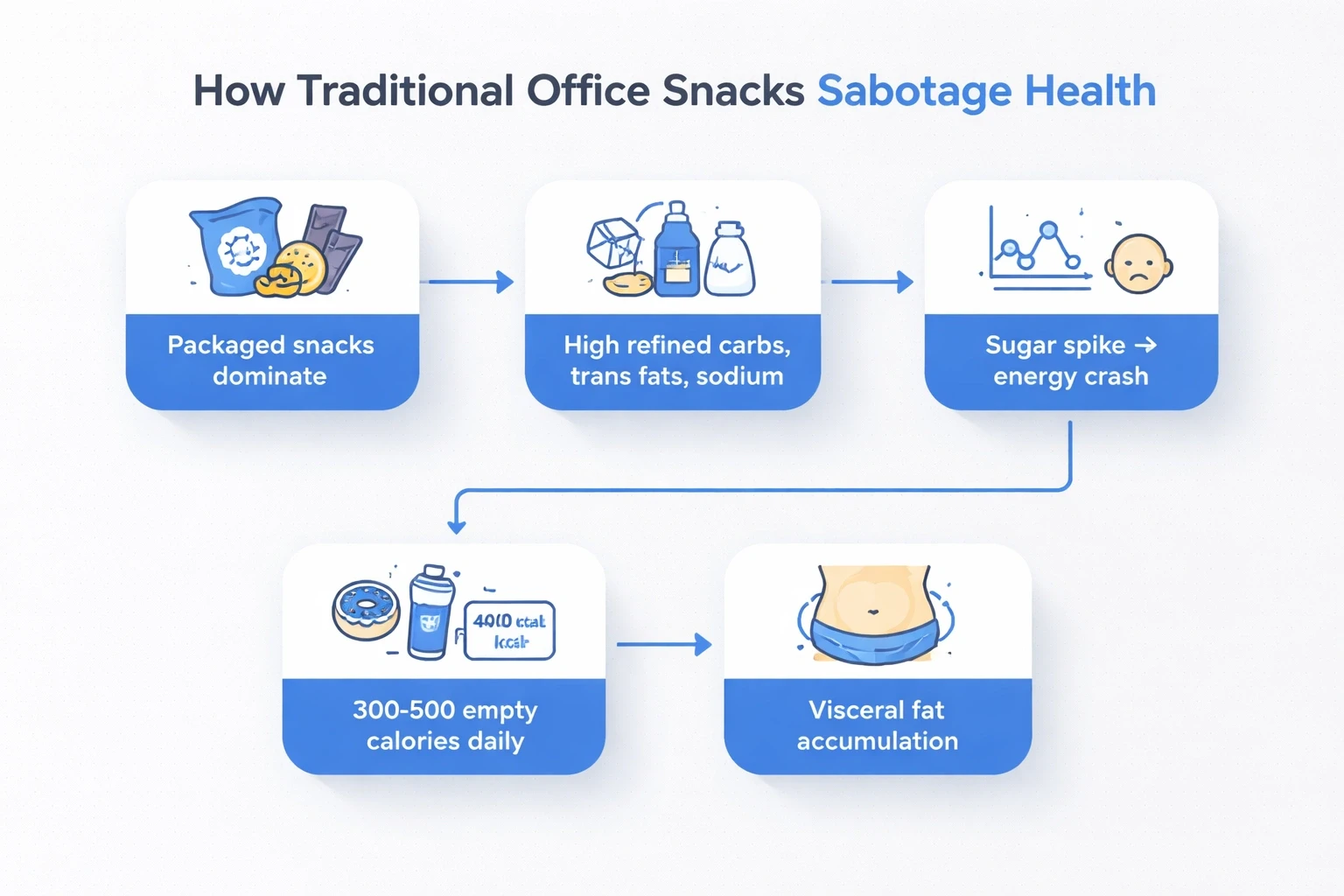
Packaged snacks dominate offices for obvious reasons: they're there, they don't spoil, and they taste good. But those ultra-processed foods are loaded with refined carbohydrates, trans fats, and sodium that trigger inflammation throughout your body. One serving of most commercial biscuits has 15-20 grams of sugar and zero fiber guaranteed glucose spike followed by an energy crash.
Here's what happens when you grab whatever's nearest during calls or deadlines: you add 300-500 empty calories daily without thinking about it. Over months, that accumulates as visceral fat. Your liver and pancreas get stressed processing all those chemical additives, and even regular exercise won't protect you from developing insulin resistance.
Corporate cafeterias don't help much. Deep-fried items, sugary drinks, and refined wheat dominate because they're cheap and people are conditioned to crave them. That bowl of fruit in the corner doesn't offset daily exposure to metabolic problems. Personalized nutrition approaches work better because they account for your actual work environment and eating patterns not generic advice.
Protein-Rich Snacks That Actually Satisfy
Protein keeps blood sugar stable for 3-4 hours and feeds your brain the amino acids it needs to produce neurotransmitters. A handful of roasted chickpeas (chana) gives you 6 grams of protein plus 5 grams of fiber steady energy without the crash. I keep 100-gram portions in my desk drawer.
Greek yogurt works well too. You get 10-12 grams of protein per serving plus probiotics that help with the digestive issues desk workers often develop from stress and irregular eating. Choose plain and add cinnamon or cardamom instead of sugar. The key is actually having it at the office store small containers in the fridge on Monday.
Boiled eggs are boring but reliable. Two eggs give you 12 grams of complete protein plus choline for brain function. I make a batch Sunday night and they're good through Thursday. The sulfur compounds actually help your liver process the oxidative stress from long hours at a screen.
Paneer cubes with lemon juice and chaat masala give you 18 grams of protein per 100 grams plus calcium most Indian diets lack. Cut into bite-sized pieces and pack with mint chutney. This is particularly useful when you're skipping real meals during busy periods.
Nuts and Seeds: The Ultimate Desk Drawer Arsenal
Raw almonds are practical they don't spoil, don't smell, and don't draw attention in meetings. Twelve almonds give you 6 grams of protein and 3.5 grams of fiber, which turns off hunger signals for hours. The magnesium helps regulate cortisol during deadline stress.
Walnuts are worth keeping around for the omega-3s. Daily walnut consumption has been shown to improve working memory by 19% within eight weeks I keep a 30-gram portion in my bag for afternoon meetings. The polyphenols in the skin fight cardiovascular inflammation.
Pumpkin seeds pack zinc for immune function and thyroid health. Two tablespoons give you 20% of your daily zinc plus iron. Roast them with turmeric and cumin for flavor. The tryptophan converts to serotonin, which helps during stressful phases.
Mixed seeds (flax, chia, sunflower) added to yogurt or buttermilk create complete amino acid profiles. Flax seeds lower blood pressure through alpha-linolenic acid. Grind them fresh weekly the delicate fatty acids oxidize quickly.
Vegetable-Based Snacks That Travel Well
Carrot and cucumber sticks with hummus work because they're crunchy (satisfying) and don't cause drowsiness. The beta-carotene converts to vitamin A for eye health relevant when you're staring at screens eight hours daily. Prep them Sunday night in water-filled containers and they stay crisp through Wednesday.
Cherry tomatoes contain lycopene that protects against oxidative stress from office lighting. Eat them whole with salt and pepper. The potassium helps with blood pressure during high-stress projects. They're also just easy you don't need to prep anything.
Bell peppers deliver more vitamin C than oranges with zero sugar. Yellow and red varieties contain carotenoids that help your skin despite air-conditioned offices drying everything out. Slice them into strips and pair with Greek yogurt dip seasoned with garlic and dill.
Roasted makhana (fox nuts) gives you that chip crunch with 10 grams of protein per 100 grams. Season with olive oil and mixed herbs. The low glycemic index makes these ideal for managing PCOS or prediabetes. Understanding body rhythm helps you time snacks when your metabolism is actually primed to use them.
Fruit Combinations That Balance Blood Sugar
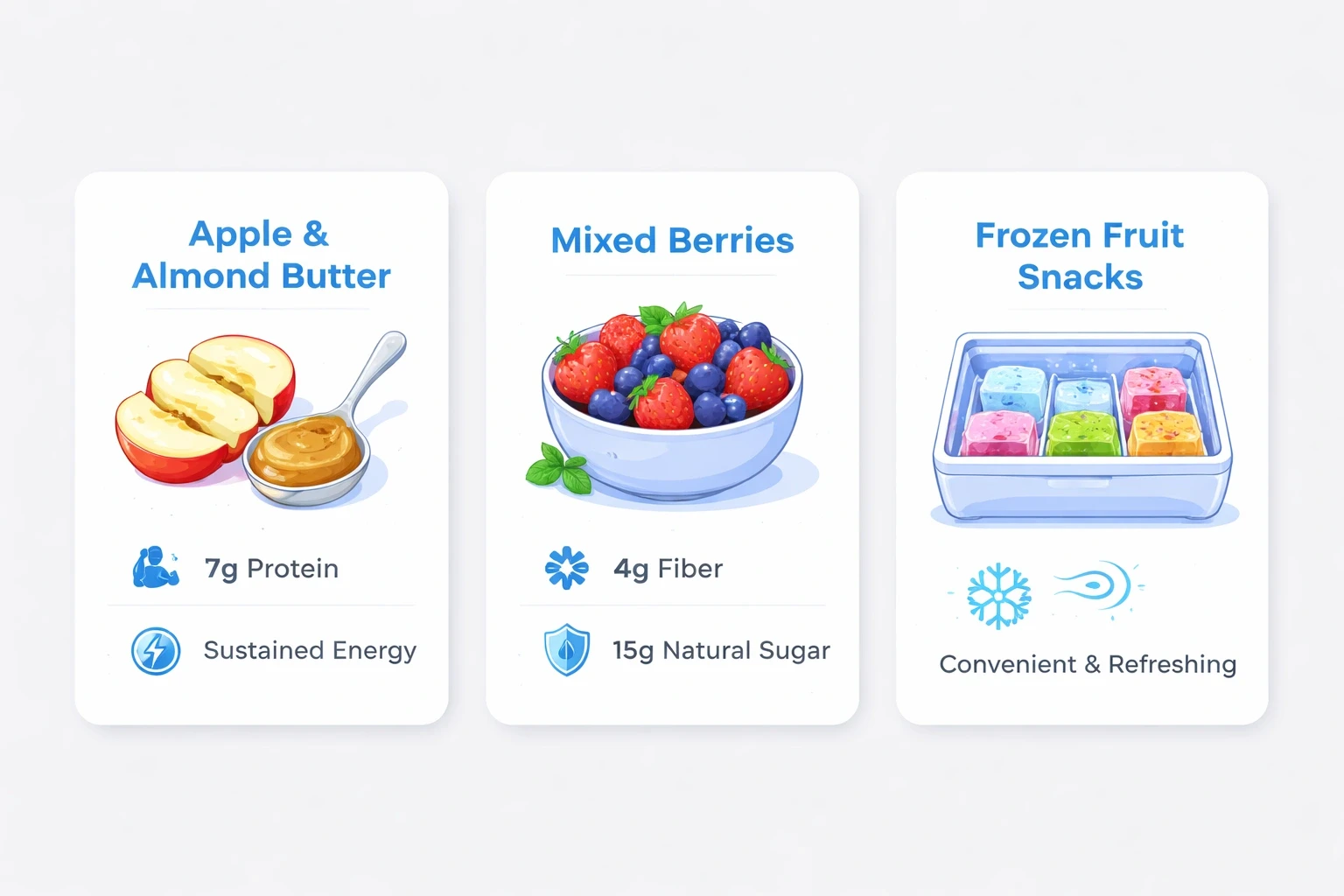
Apples with almond butter pair soluble fiber with healthy fats to prevent glucose spikes. The pectin in apple skin feeds beneficial gut bacteria. One medium apple with two tablespoons of almond butter gives you 7 grams of protein and sustained energy. Organic apples are worth it conventional ones concentrate pesticides in the skin.
Berries satisfy sweet cravings while improving insulin sensitivity through anthocyanins. Mix strawberries, blueberries, and raspberries for diverse antioxidants. A cup gives you 4 grams of fiber with only 15 grams of natural sugar. Freeze portions for a cooling summer snack that reduces inflammation.
Oranges provide vitamin C and hesperidin that strengthens capillary walls weakened by sitting all day. Peel and section them at home so you don't deal with sticky hands at work. The bioflavonoids help you absorb iron from vegetarian meals pair with cashews for protein.
Guava has more fiber than any common fruit at 9 grams per cup, plus potassium that counters sodium from processed lunches. Low glycemic load makes it suitable for diabetics. Sprinkle with black salt and red chili powder for a traditional flavor. Personalized approaches account for your specific fruit tolerances and blood sugar responses.
Homemade Options to Meal Prep Weekly
Baked vegetable cutlets using sweet potato, peas, and oats create nutrient-dense patties that reheat well. Form palm-sized portions and bake at 180°C for 25 minutes. Complex carbohydrates, plant protein, beta-carotene without the oil of fried versions. I make twelve on Sunday for grab-and-go through Thursday.
Moong dal cheela (savory pancakes) deliver 20 grams of protein per serving when made from soaked, ground green gram. Add chopped onions, tomatoes, and coriander. Cook on a non-stick pan with minimal oil and pack between parchment layers they stay fresh refrigerated for three days and reheat in 90 seconds.
Ragi (finger millet) cookies made with jaggery and coconut provide calcium and iron in a portable format. Ragi contains amino acids rare in other grains. Slow-release carbohydrates prevent energy crashes. Store in airtight containers they keep for two weeks unrefrigerated.
Sprouts chaat combines moong, chana, and matki sprouts with lemon juice, pomegranate seeds, and peanuts. Sprouting increases mineral bioavailability by 300% and adds digestive enzymes. Pack in leak-proof containers with dressing separate. Sustainable approaches rely on consistent choices, not periodic restriction.
Beverages That Count as Snacks
Buttermilk from low-fat curd with roasted cumin and curry leaves provides probiotics, calcium, and hydration. Air-conditioned offices dehydrate you without triggering thirst. Drink 200ml mid-morning to alkalize your system before lunch. The cooling properties reduce body heat and inflammation.
Green tea with roasted peanuts combines antioxidants and protein. The catechins boost metabolism by 4-5% for three hours after drinking. Peanuts add B vitamins for cellular energy production. Skip the sugar or honey it negates the metabolic benefits.
Vegetable soup from home carrots, beans, tomatoes, spinach delivers multiple vegetable servings in drinkable form. The warmth soothes digestion stressed by irregular eating. Use a thermos that maintains temperature for six hours. Add black pepper and ginger to enhance absorption.
Coconut water provides natural electrolytes without artificial additives. Fresh is better than packaged, which often contains added sugars. The potassium helps regulate blood pressure during deadline stress. Drink 250ml after lunch to prevent the drowsiness that kills afternoon productivity. Eating lightly means counting beverages as part of your overall nutrition strategy.
Strategic Snacking Times for Maximum Benefit
Mid-morning snacks around 10:30-11 AM prevent lunch overeating by stabilizing blood sugar from breakfast. Cortisol naturally peaks here, making it ideal for carbohydrate-containing snacks that won't spike insulin dramatically. Fruit with nuts or yogurt with seeds works well. Eating every 3-4 hours maintains metabolic rate.
Afternoon snacks between 3:30-4 PM address the circadian alertness dip that happens regardless of lunch quality. Your body temperature drops slightly, reducing cognitive performance. Protein options like eggs or paneer provide tyrosine for dopamine production restoring focus for final work hours. Skip the carb-heavy choices that worsen the slump.
Pre-workout snacks 30 minutes before evening exercise need fast-digesting carbohydrates with minimal fat. A banana or dates with water gives muscles glucose fuel without digestive burden. This prevents muscle breakdown after long sedentary hours.
Evening snacks after dinner should be minimal and protein-focused if needed. Small bowl of Greek yogurt or milk with turmeric supports overnight muscle repair. The tryptophan promotes sleep quality disrupted by work stress. Don't eat within two hours of bedtime let digestion complete before lying down. Meal timing affects whether calories fuel activity or get stored as fat.
Portion Control Without Obsessive Measuring
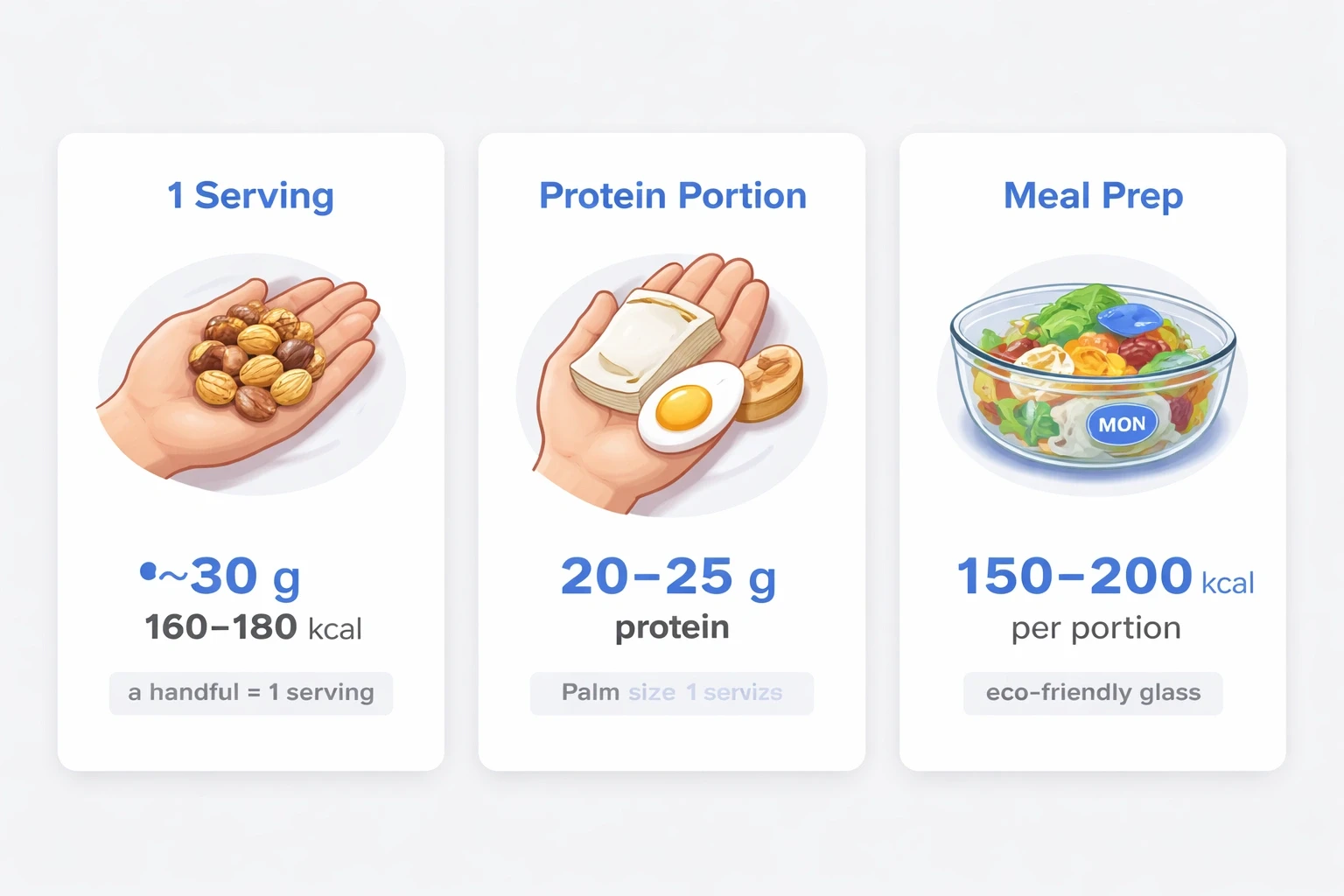
Visual cues work better than scales at work. A handful of nuts equals roughly 30 grams about 160-180 calories. Your palm size determines protein portions: one palm equals 20-25 grams from paneer, eggs, or chicken. Use these measurements consistently and intuitive portioning develops over weeks.
Pre-portioned containers eliminate decision fatigue. Divide weekly prep into identical 150-200 calorie servings that satisfy without overshooting daily needs. Small glass containers are better than plastic for food safety and environmental impact. Label each with contents and day.
The 80-20 rule keeps things realistic: 80% nutrient-dense whole foods, 20% flexible choices for social situations. One or two weekly servings of conventional treats prevent the deprivation that leads to bingeing. Track weekly patterns rather than stressing over individual servings.
Hunger versus boredom distinction takes practice. Real hunger builds gradually over 3-4 hours with physical sensations stomach rumbling, energy dips. Boredom hunger hits suddenly, targets specific foods, and persists after eating. Drink water and wait fifteen minutes to see if you actually need fuel. Personalized plans help you recognize your own hunger cues rather than eating by the clock.
Creating Snack Systems for Different Work Scenarios
Office workers with refrigerator access can store yogurt, vegetables, hummus, and homemade preparations. Claim dedicated space Monday morning before others fill it. Use opaque containers clear ones tempt colleagues to "borrow." Rotate items Thursday evening to prevent weekend spoilage.
Field workers need completely portable options that withstand heat and movement. Roasted chickpeas, nuts, dried fruits, and makhana travel well without refrigeration in resealable bags. Invest in a quality insulated lunch bag with ice packs for items like paneer or eggs. Choose containers that won't spill during commutes.
Remote workers face unlimited kitchen access that enables constant grazing. Create physical barriers keep snacks in different rooms from your workspace. Portion morning and afternoon snacks into containers you bring to your desk at set times. Set phone alarms for planned breaks rather than eating whenever focus wanes.
Shift workers need timing adjusted for circadian disruption from night schedules. Prioritize protein during overnight hours to maintain alertness without caffeine dependence. Avoid heavy carbohydrates between 2-4 AM when metabolism slows naturally. Plan larger meals before shift start and upon waking. Tailor-made approaches account for your specific schedule and metabolic patterns.
Budget-Friendly Snacking Without Compromising Quality
Seasonal produce costs 40-60% less than imported or out-of-season options. Summer brings cucumbers, tomatoes, and watermelon at minimal prices. Winter offers carrots, beets, and oranges in abundance. Plan weekly snacks around what's actually in local markets nutritional value is similar between trendy and traditional options.
Buying in bulk reduces per-unit costs for nuts, seeds, and dry fruits. Get 1-2 kilogram quantities from wholesale markets and store in airtight glass jars. Check expiry dates and smell for rancidity before buying. Split purchases with colleagues to access wholesale prices without excess.
Homemade versions save 60-70% while eliminating preservatives and excess sodium. Roast your own chickpeas with spices instead of branded versions at 400% markup. Make trail mix from individual ingredients rather than pre-mixed packets. Sixty to ninety minutes weekly yields five days of snacks at half the commercial cost.
Generic store brands for yogurt, oats, and basic nuts offer identical nutrition to premium labels. Marketing drives price differences, not quality for commodity foods. Compare ingredient lists if they're identical, buy the cheaper option. Redirect savings toward organic produce where pesticide exposure actually matters. Affordable solutions make healthy eating realistic for any budget.
Social Situations and Peer Pressure Management
Birthday celebrations create pressure to consume cake and sweets. Take a small piece and eat half while chatting people notice refusal more than partial consumption. Contribute healthy options like fruit platters or nuts to expand available choices. It shows leadership in wellness without preaching.
Coffee breaks test commitment when others order samosas and pakoras. Order herbal tea and bring your own snacks, explaining them as medical requirements if questioned. Most people respect health needs once articulated. Suggest healthier cafes for team outings.
Client meetings typically involve fried snacks and sweets as hospitality. As host, provide mixed platters with fruit, nuts, and traditional options so everyone finds something. As guest, accept what's offered but control portions leave food on your plate without apology. Business relationships rarely hinge on snack consumption.
Festival seasons bring pressure from relatives and colleagues sharing homemade treats. Accept gifts graciously and share with your team rather than consuming everything yourself. Explain you're following dietician recommendations most people respect professional guidance. Lifestyle modifications address the social aspects of eating beyond just food composition.
Transitioning From Current Habits to Healthier Patterns
Week one: Add one healthy snack daily without removing anything. This abundance mindset prevents the deprivation feelings that trigger rebellion against change. Pick the easiest snack from this guide and prep three days' worth. Notice energy and mood improvements rather than weight changes.
Week two: Replace your least healthy regular snack with a nutritious alternative. If you typically eat chips at 4 PM, switch to roasted chickpeas or makhana with similar seasoning. The crunch and salt satisfy the same sensory needs with better nutrition. Expect an adjustment period as taste buds adapt from hyperpalatable processed foods to whole food flavors.
Week three: Address environmental cues that trigger unwanted snacking. Remove vending machine change from your desk. Alter your route to avoid the cafeteria during vulnerable afternoon hours. Put healthy snacks where you currently keep less optimal choices. Your environment shapes behavior more powerfully than willpower. Sustainable changes modify systems rather than relying on motivation.
Week four: Establish your personalized snack routine based on three weeks of experimentation. Identify which options you genuinely enjoyed versus forced yourself to eat. Build your rotation from foods you'll maintain long-term. Schedule weekly prep time on your calendar consistency over months produces results that temporary perfection never achieves.
When Healthy Snacking Alone Isn't Enough
Persistent cravings despite adequate snacking may indicate deeper metabolic issues. Insulin resistance, thyroid dysfunction, or nutrient deficiencies create hunger that no amount of healthy snacks satisfies. Blood work showing vitamin D, B12, iron, or magnesium deficiencies explains constant fatigue and food-seeking behavior. Address root causes rather than fighting symptoms with willpower.
Weight gain or stagnation despite healthy snacking suggests your overall diet, sleep, or stress management needs attention. Snacks are only 10-15% of total daily intake. If meals contain processed carbohydrates, inadequate protein, or inflammatory oils, even perfect snacking won't compensate. Comprehensive evaluation considers your complete lifestyle rather than isolated aspects.
Digestive problems like bloating, gas, or irregular bowel movements indicate food intolerances or gut dysbiosis. Even healthy foods cause issues if they don't suit your individual system. Identifying trigger foods requires systematic elimination testing generic healthy eating advice fails when underlying gut problems remain unaddressed.
Most people benefit from personalized guidance that considers work schedule, food preferences, medical history, and specific goals. What works for your colleague may not suit your metabolism, genetics, or lifestyle. Professional consultations provide customized roadmaps rather than generic recommendations that ignore individual variation.
Transform your workplace nutrition starting tomorrow by implementing one strategy from this guide. Your energy, focus, and long-term health depend on consistent small choices. Book a consultation to develop a complete nutrition plan addressing your unique needs beyond workplace snacking alone.
More Blog Post
HEALTH
DIET
Why Generic Diets Fail: Personalized Nutrition Tips for Your Body
Discover why generic diets fail and how personalized nutrition can fix fatigue, gut issues, weight plateaus, and hormone imbalances.
Team Vasundhara
|
HEALTH
DIET
Sustainable Weight Loss: Avoid Crash Diets & Fix Your Metabolism
Crash diets fail. Learn sustainable weight loss tips to fix metabolism, eat real food, and build healthy habits for lasting results.
Team Vasundhara
|
HEALTH
DIET
What Makes Food 'Light' and How to Eat Lightly for Better Health
Discover what makes food 'light' and how to eat lightly for better digestion, energy, and overall health without restriction. Learn about nutrtion and diet
Team Vasundhara
|

HEALTH
DIET
Low-Calorie Dinner Ideas for Better Sleep & Energy
Discover low-calorie dinner recipes that boost sleep, reduce blood sugar spikes, and keep you energized. Nutrient-dense, satisfying meals under 450 calories. Read more.
Team Vasundhara
|

HEALTH
DIET
Optimize Meals with Body Rhythm: Personalized Nutrition Guide
Align meals with your body’s rhythm to boost digestion, energy, and weight loss. Get personalized nutrition tips for lasting health.
Team Vasundhara
|
HEALTH
DIET
Healthy Workplace Snacks to Avoid the 3 PM Crash | Vasundhara
Protein‑rich, nutrient‑dense snacks to keep you energized all day and prevent the 3 PM crash. Smart office snacking. #HealthyWorkplace #WeightLoss
Team Vasundhara
|
HEALTH
DIET
Smart Evening Snacks: Fuel Your Body, Not Your Cravings
Learn why you get hungry at night, how smart snacks prevent overeating, boost sleep, and aid sustainable weight loss.
Team Vasundhara
|
HEALTH
DIET
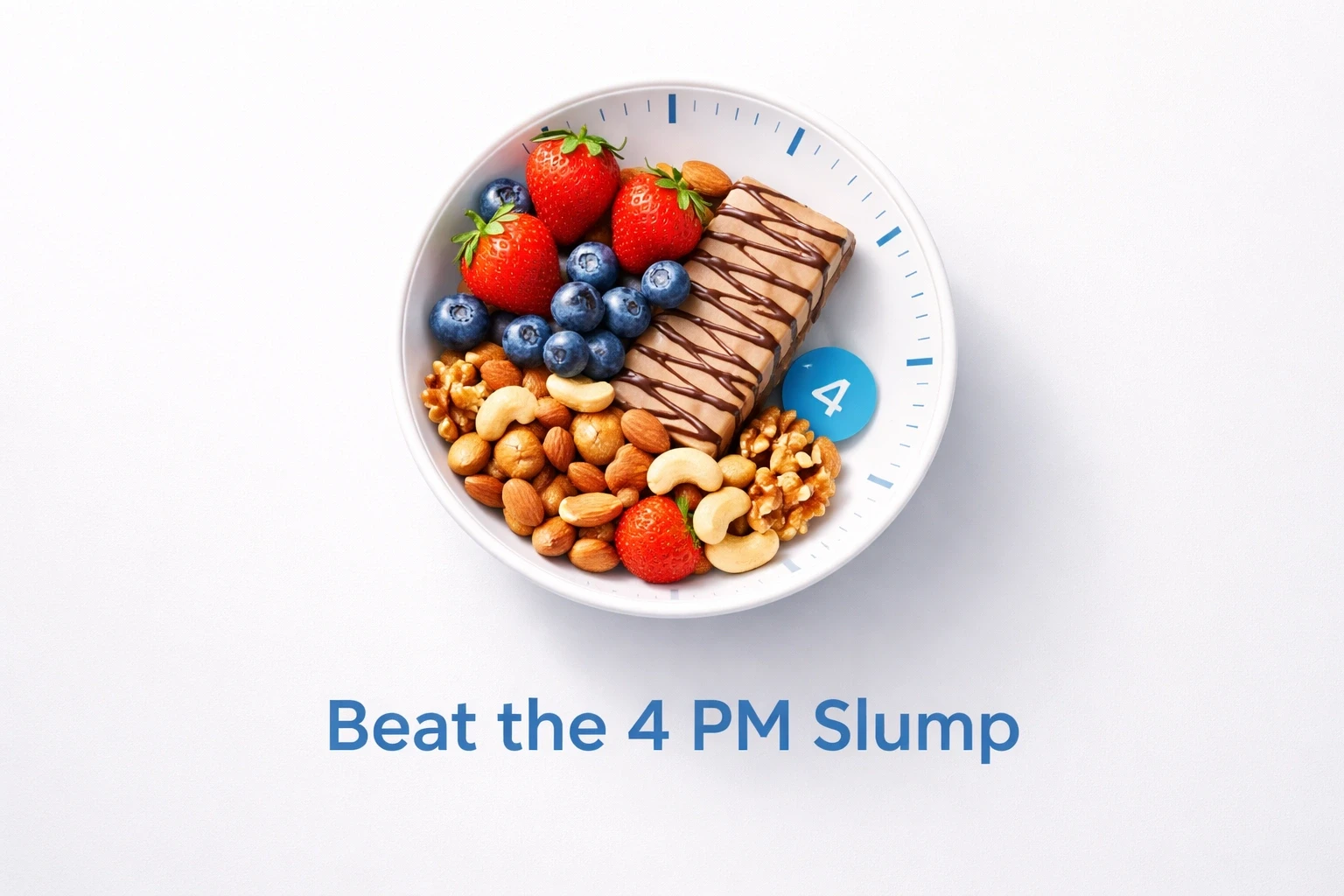
Beat the 4 PM Slump with Healthy Snacks | Metabolism Health
Beat the 4 PM slump with smart snacks. Protein, fiber & healthy fats keep you full, avoid crashes. Sustainable weight loss starts now.
Team Vasundhara
|
HEALTH
DIET
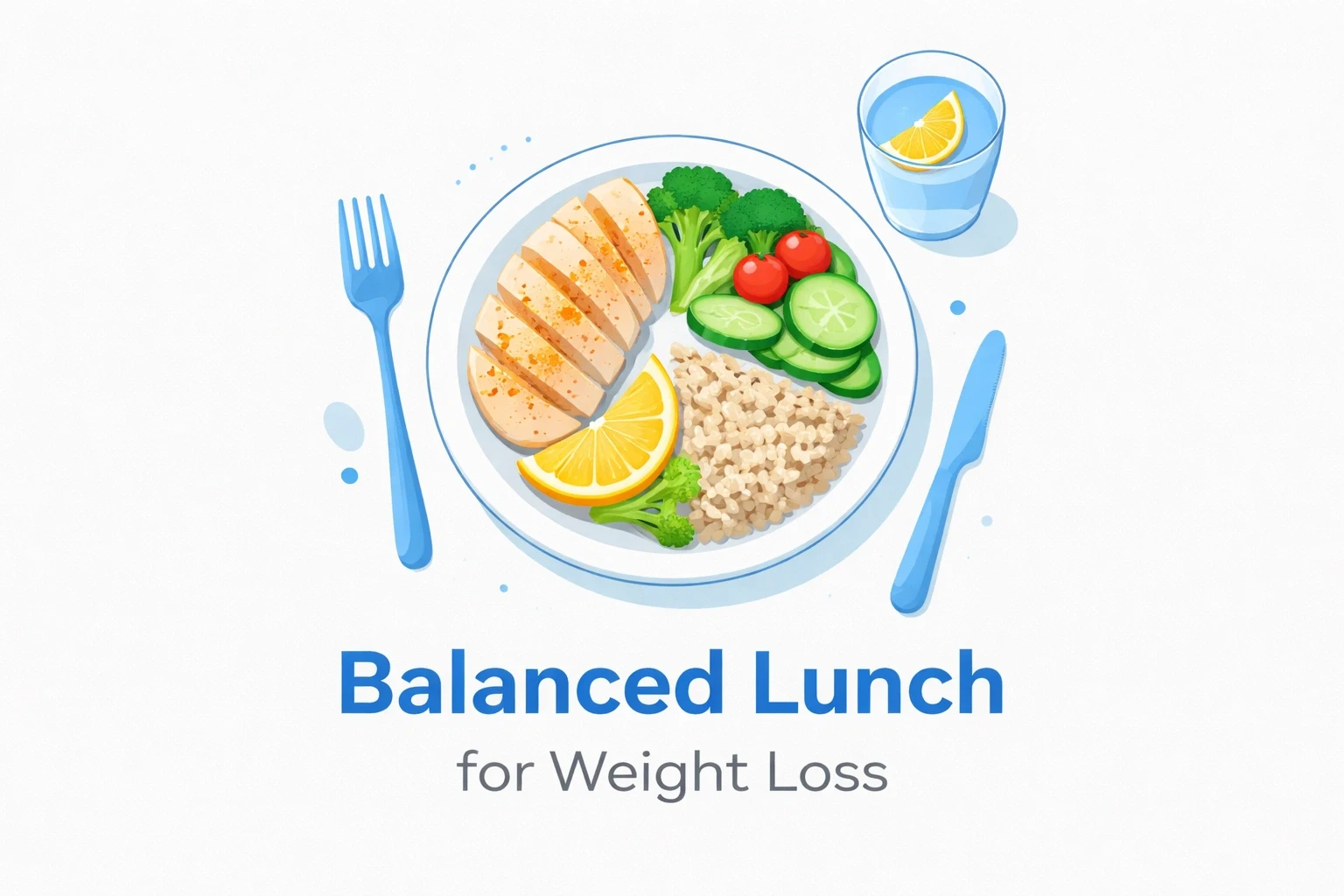
Lunch Fix: 30% Protein, 40% Veggies, 30% Carbs for Weight Loss
Discover the 30% protein, 40% veggies, 30% carbs lunch formula to stabilize blood sugar and avoid cravings. Simple, effective, and easy to prepare.
Team Vasundhara
|
HEALTH
DIET
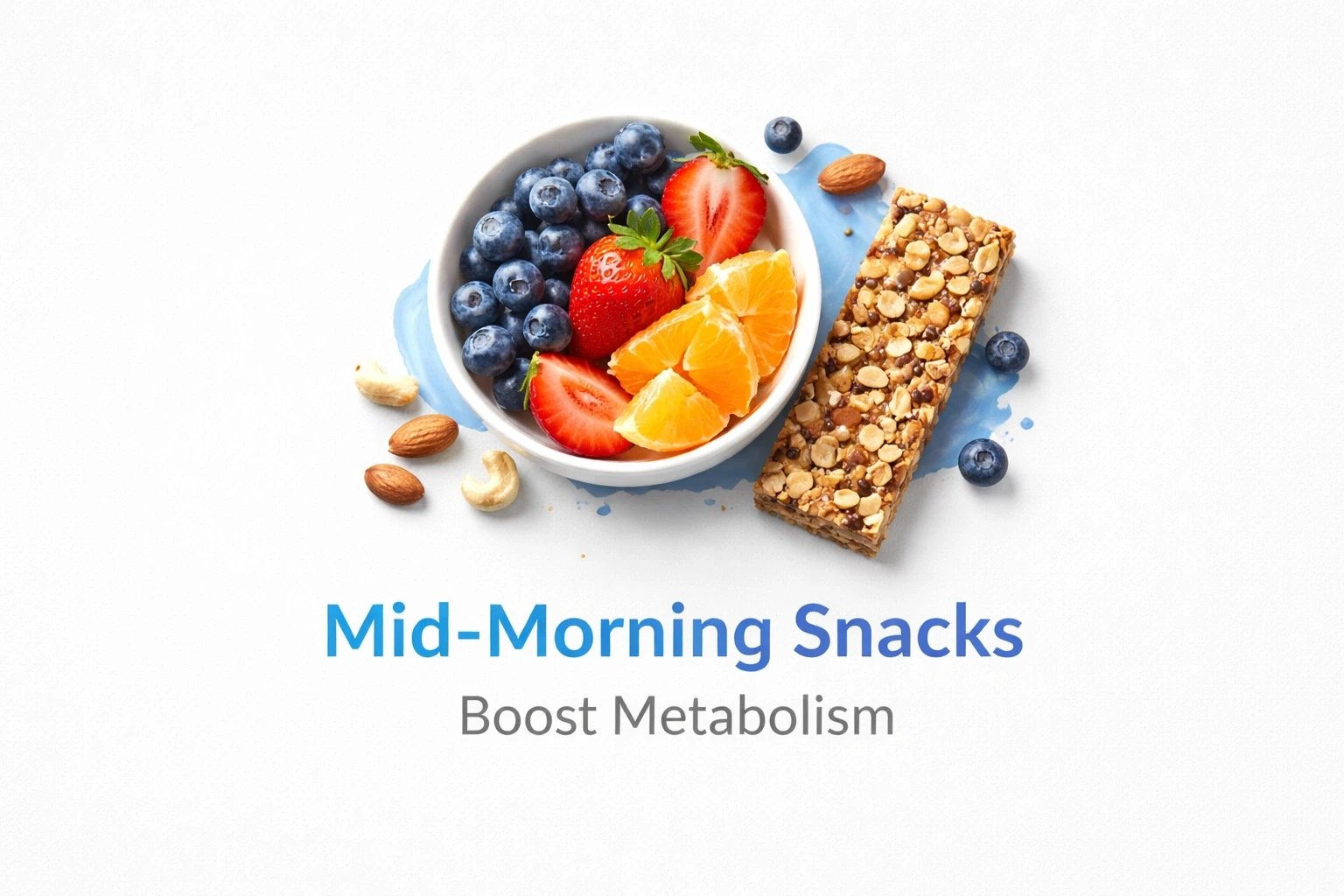
The Science of Mid-Morning Snacks: Boost Metabolism & Energy
Discover why mid-morning snacks boost metabolism, balance hormones, and prevent overeating. Explore 10 healthy options for sustained energy.
Team Vasundhara
|
HEALTH
DIET
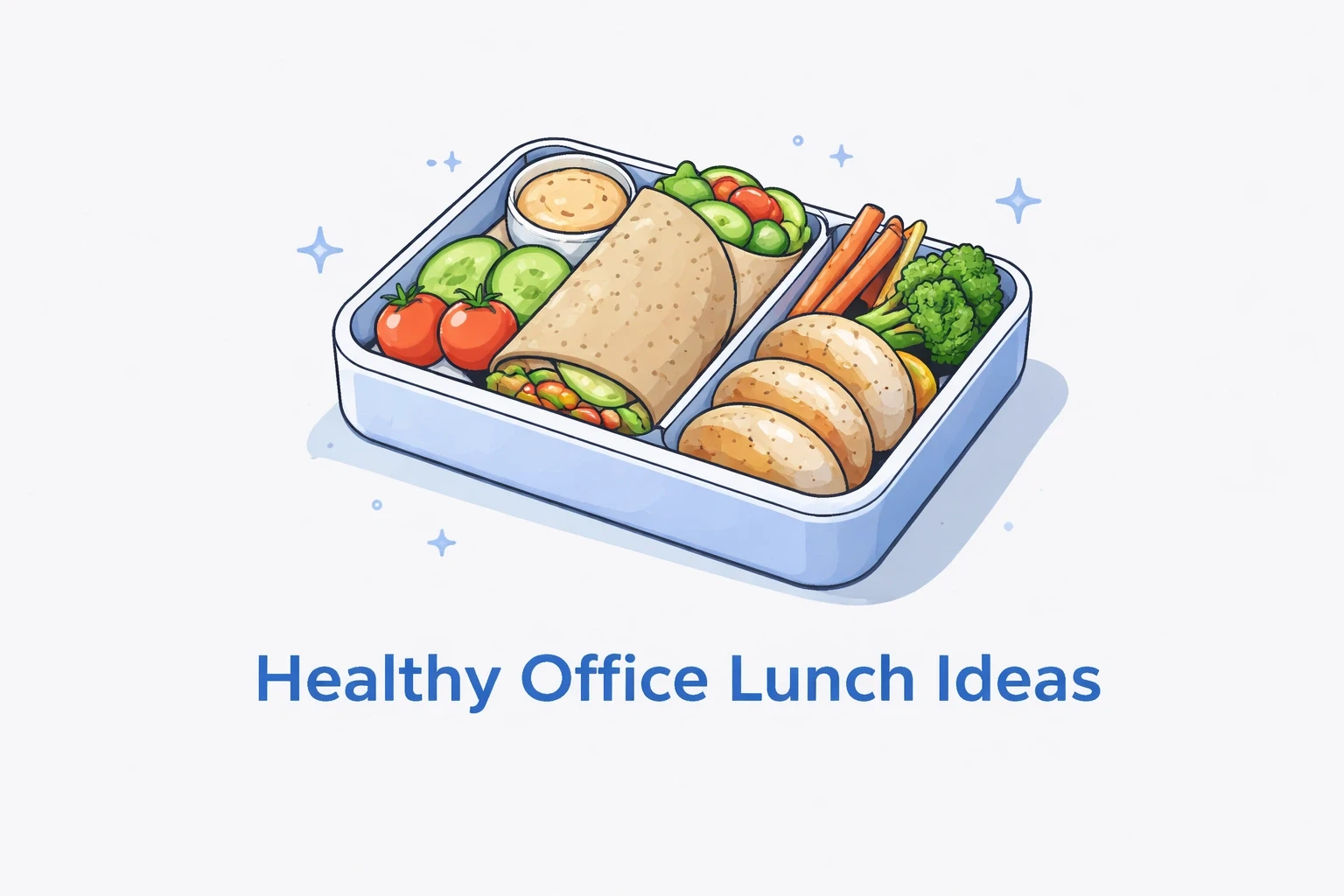
Healthy Office Lunch Ideas: 30-40-30 Formula for Energy
Pack a nutritious office lunch using the 30-40-30 formula. Stay full, avoid crashes, and boost productivity with simple lunch box tips.
Team Vasundhara
|
HEALTH
DIET
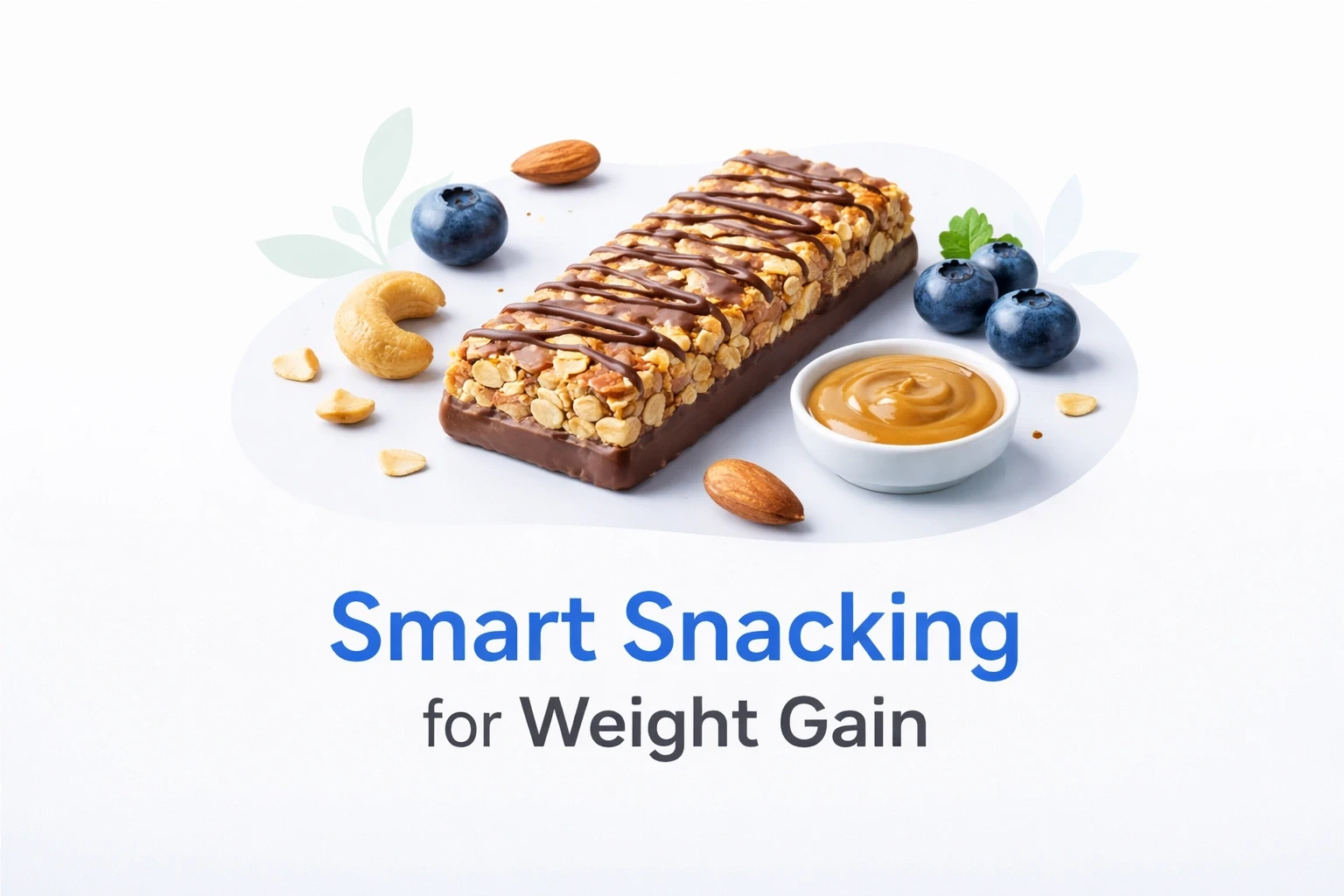
Smart Snacking Strategies for Healthy Weight Gain
Effective weight‑gain snack ideas that support digestion, avoid empty calories, and boost nutrient intake for sustainable muscle growth.
Team Vasundhara
|
HEALTH
DIET
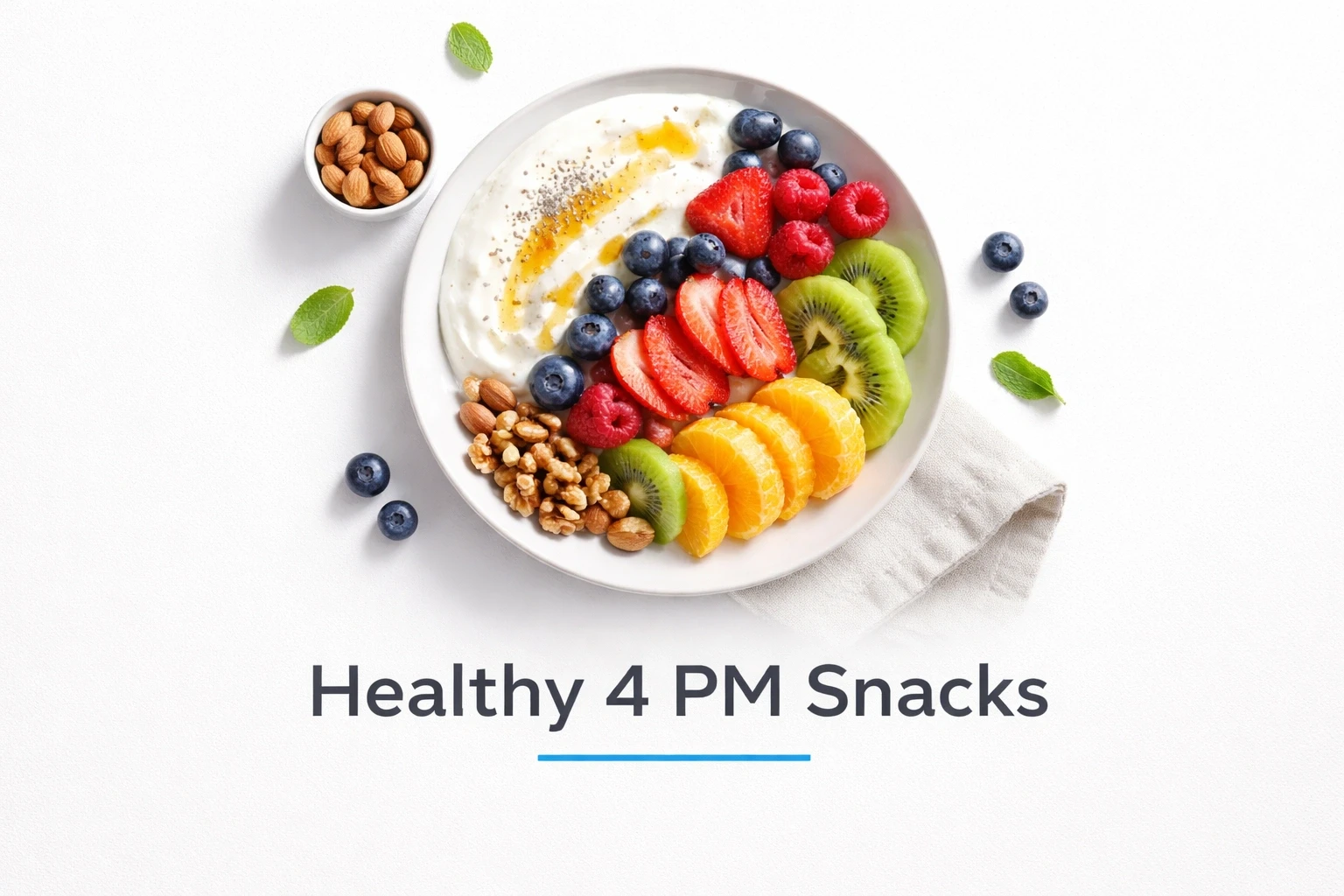
Healthy 4 PM Snacks to Avoid Evening Binges
Healthy 4 PM snack ideas to stabilize blood sugar, prevent evening binges, and support weight loss, PCOS, and metabolism with nutrient-dense options.
Team Vasundhara
|
HEALTH
DIET
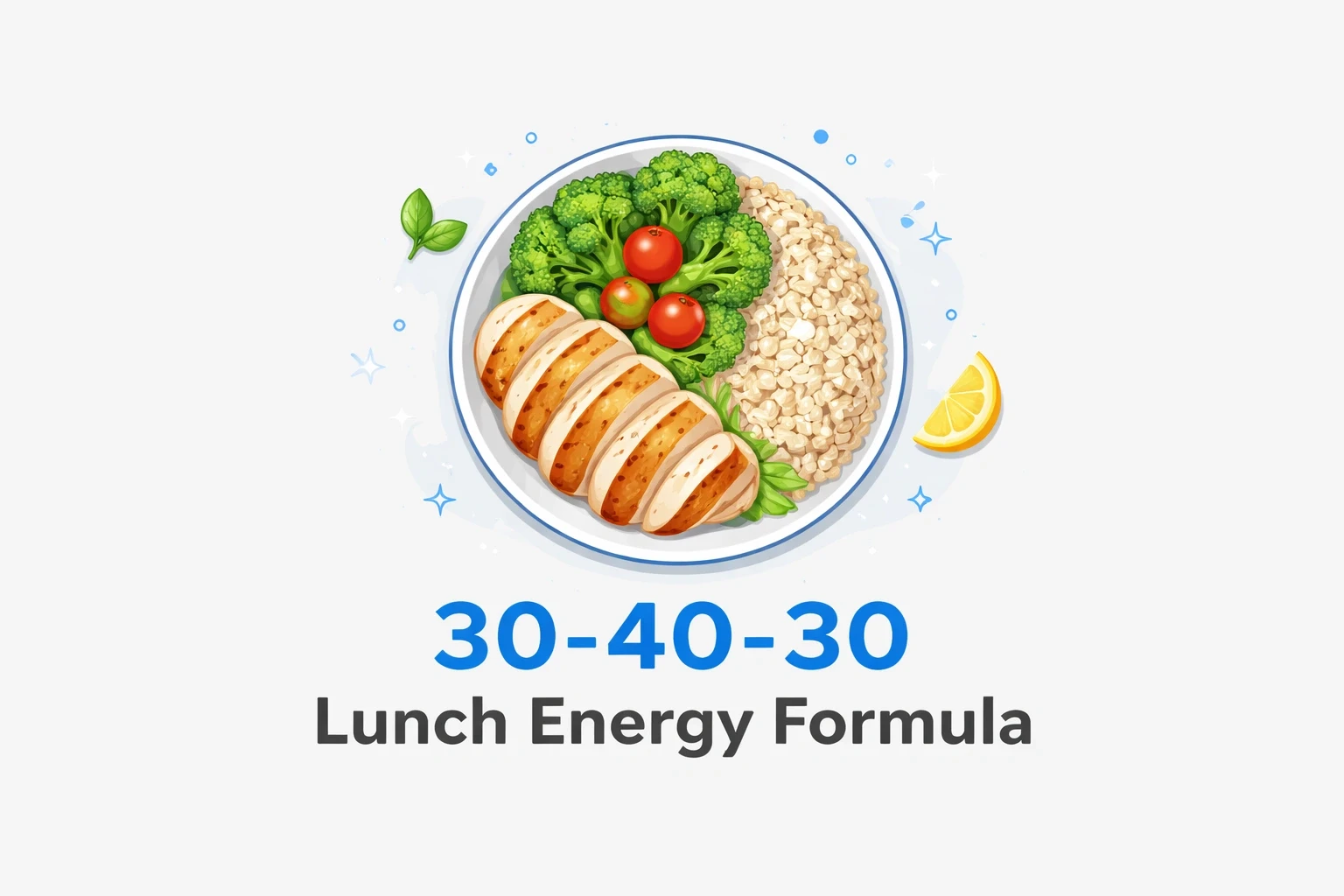
The 30-40-30 Lunch Formula: Beat Afternoon Slumps
Discover the 30-40-30 lunch formula for sustained energy. Balance protein, veggies, and carbs to avoid afternoon crashes and boost productivity.
Team Vasundhara
|