HEALTH
DIET
The 30-40-30 Lunch Formula: Beat Afternoon Slumps
Vinamra
|
Share to
Discover the 30-40-30 lunch formula for sustained energy. Balance protein, veggies, and carbs to avoid afternoon crashes and boost productivity.
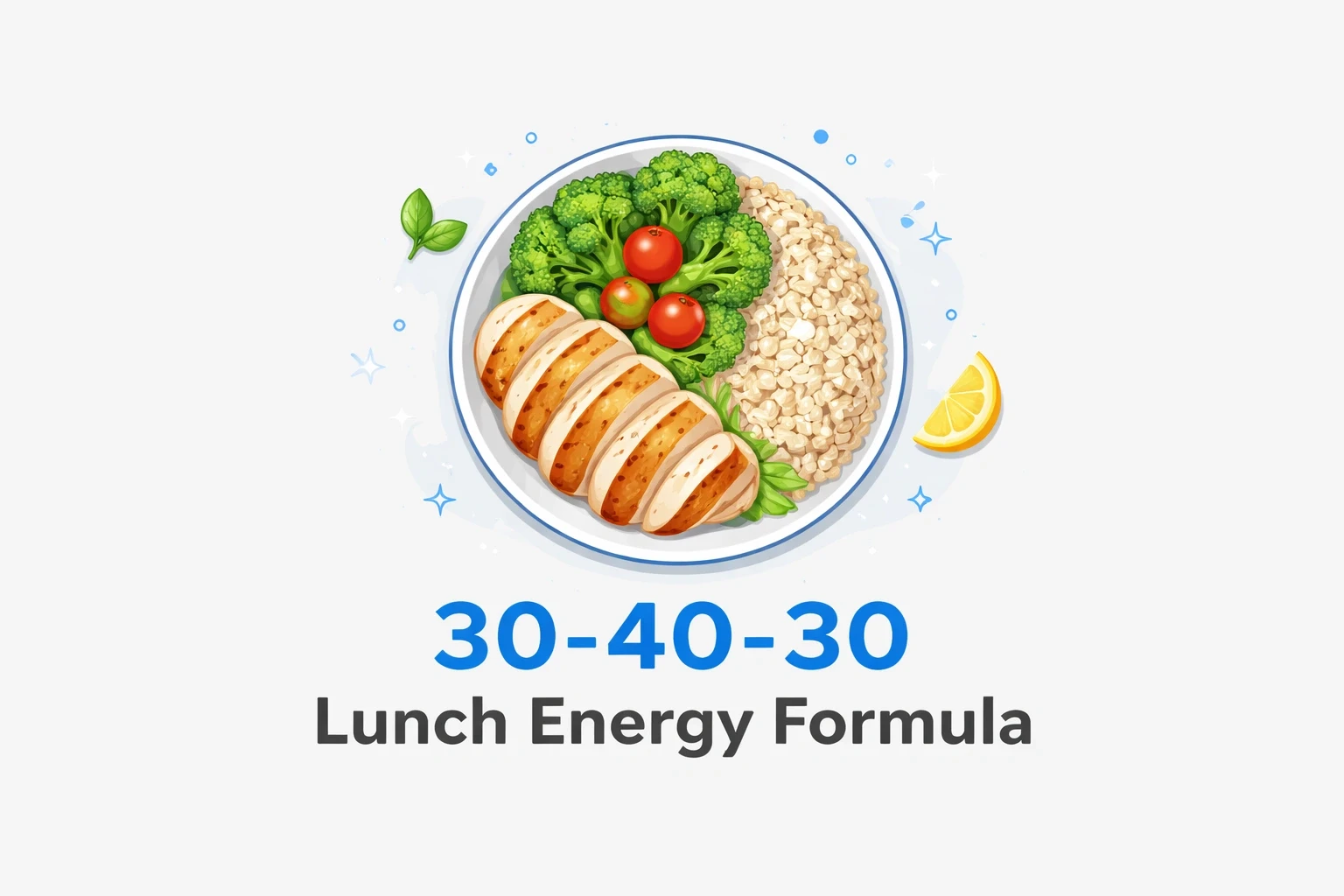
If your lunch leaves you face-down on your desk by 3 PM, it's time to rethink the box. A good work lunch hits a rough 30-40-30 split: 30% protein, 40% vegetables, and 30% complex carbs. It's not a rigid meal plan, just a structure to keep your blood sugar from tanking.
What you pack decides how the rest of your day goes. Load up on white rice or pasta, and you're practically guaranteeing a sugar spike followed by a crash, some brain fog, and a craving for junk later. Getting the lunch box right changes how you feel by late afternoon.
Why your current lunch might be sabotaging your afternoon
Most of us pack for convenience, not nutrition. A typical lunch box is either heavy on refined carbs (white bread, pasta, white rice) or completely skimps on protein and veggies. That imbalance spikes your glucose and insulin, leaving you exhausted and hunting for sugar two hours later.
Balanced meals keep your blood sugar steady for 4-5 hours. Carb-heavy meals? You get maybe 90 minutes before you fade. Your body needs protein to maintain muscle, vegetables for the fiber that keeps your gut happy, and quality carbs to give your brain enough glucose to actually concentrate.
The fallout isn't just afternoon fatigue. Eating badly at lunch day after day contributes to weight gain, insulin resistance, and chronic inflammation. Your metabolism actually slows down to compensate. This is exactly why generic diets fail they ignore your individual schedule, preferences, and metabolism.
The 30-40-30 formula for lunch
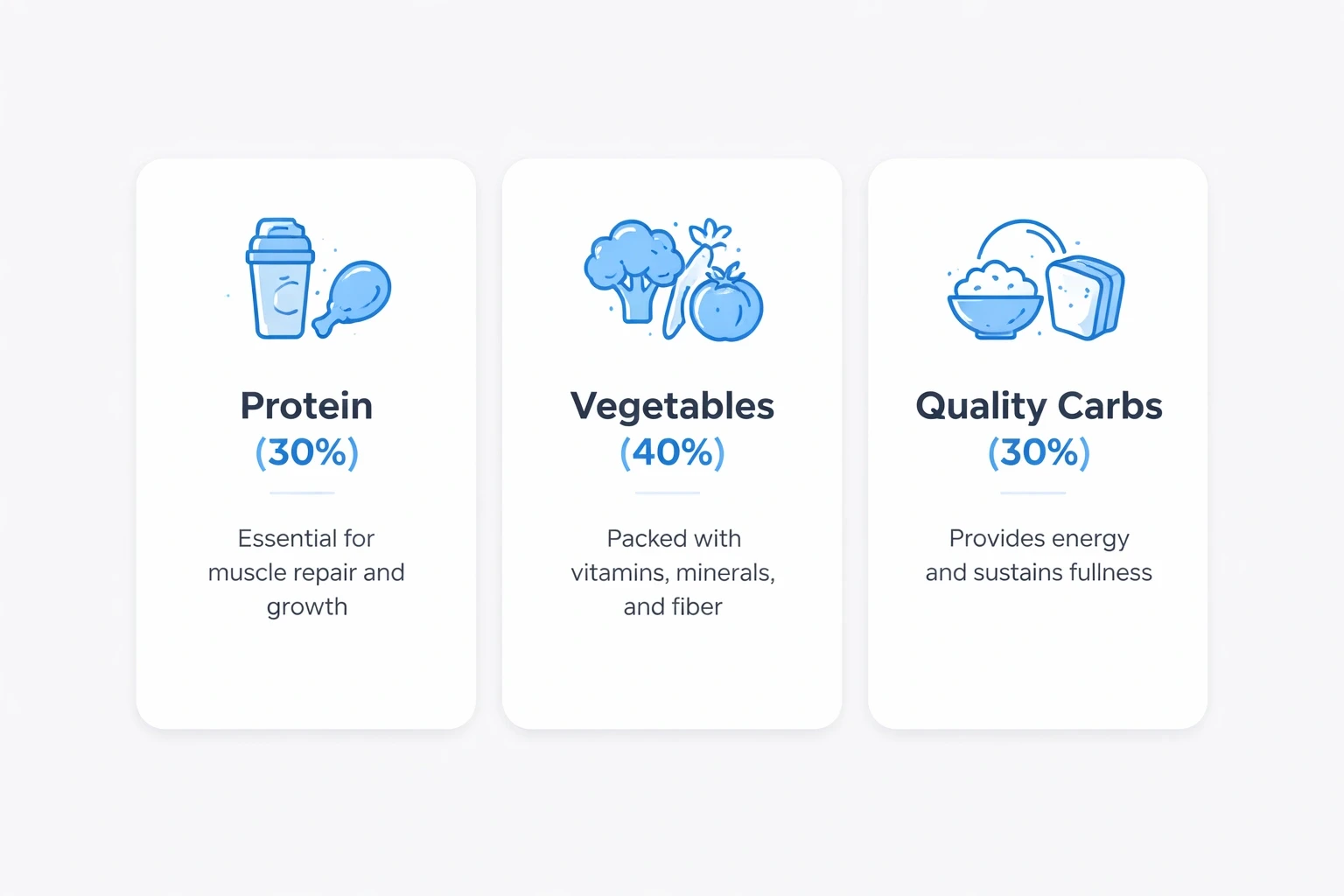
The sweet spot for lunch is 30% protein, 40% vegetables, and 30% complex carbs. It gives you what you need without the blood sugar rollercoaster. You aren't cutting out food groups; you're just distributing them properly.
Protein is what keeps you full. Think lean meats, fish, eggs, legumes, paneer, tofu, or Greek yogurt. If you weigh 60-70 kg, you need about 20-25 grams per meal. It takes longer to digest, which stops you from getting hungry an hour later, and it helps with mental clarity.
Veggies take up the most space because they give you fiber, vitamins, and minerals without a ton of calories. Mix raw and cooked leafy greens, bell peppers, tomatoes, cucumbers, carrots, whatever is in season. The fiber slows down how fast you absorb carbs, which prevents glucose spikes.
Complex carbs are your brain food. Go for brown rice, quinoa, millets, sweet potato, whole wheat rotis, or oats. They release energy over 3-4 hours. Keep the portion to about a cup of cooked grains or two small rotis.
This lines up with the 30-40-30 formula for energy that nutritionists recommend. Distribution, not deprivation.
Five lunch box combinations
North Indian vegetarian: Two small whole wheat rotis, 150g rajma curry, a cup of mixed vegetable sabzi (cauliflower, peas, carrots), cucumber-tomato salad with lemon, and 100g curd. You get protein from the beans and grains, fiber from the veg, and probiotics from the curd.
South Indian protein-heavy: A cup of brown rice pulao, sambar with drumsticks and veg, one boiled egg or 100g grilled paneer, beetroot poriyal, and buttermilk. The sambar and egg or paneer cover your amino acids, and the brown rice keeps the carbs slow.
Non-vegetarian balanced: 120g grilled chicken breast or fish fillet, 3/4 cup cooked quinoa, a cup of roasted Brussels sprouts and bell peppers, a side salad, and a small fruit. High-quality protein, nutrient-dense veg, and alternative grains.
Mediterranean-inspired: 1.5 cups of chickpea and vegetable stew with spinach, zucchini, and tomatoes, 3/4 cup whole grain couscous or bulgar wheat, grilled tofu or boiled eggs, olive tapenade, and cucumber slices. Lots of plant protein, healthy fats, and anti-inflammatory compounds.
Quick assembly: A multi-grain sandwich with hummus, grilled veg, and chicken or paneer, 150g Greek yogurt with nuts, carrot and bell pepper sticks, and an apple. It's simpler to throw together but still hits the 30-40-30 ratio.
Your actual needs depend on your age, activity level, and metabolism, so treat these as starting points rather than strict rules.
Meal prep that actually saves time
You can't sustain good lunch habits without a system. Spend an hour or two on the weekend batch-cooking. Grill 3-4 chicken breasts, boil a dozen eggs, cook a big pot of grains, and roast hardy vegetables like cauliflower and broccoli. Put them in portioned containers.
Get good containers. Glass is better than plastic it doesn't leak chemicals and keeps food fresher. Use containers with 3-4 compartments so your rotis don't get soggy in your sabzi. It also makes hitting the 30-40-30 ratio visually easy.
Prep ingredients, not full meals. Keep cooked proteins separate from grains and vegetables, then assemble in the morning. It keeps flavors and textures from bleeding together. Chop raw veggies the night before and store them in water in the fridge.
Rotate 5-7 different lunches. Eating the exact same thing every day gets boring, and boredom kills habits faster than anything. Variety also means you get a wider range of vitamins and minerals.
Take shortcuts where you need to. Pre-washed greens, frozen mixed vegetables, canned legumes (rinsed well), and pre-cooked brown rice save a lot of time. The goal is consistency, not perfection. Fixing your lunch with a few strategic shortcuts is way better than giving up and ordering takeout.
Food safety isn't optional
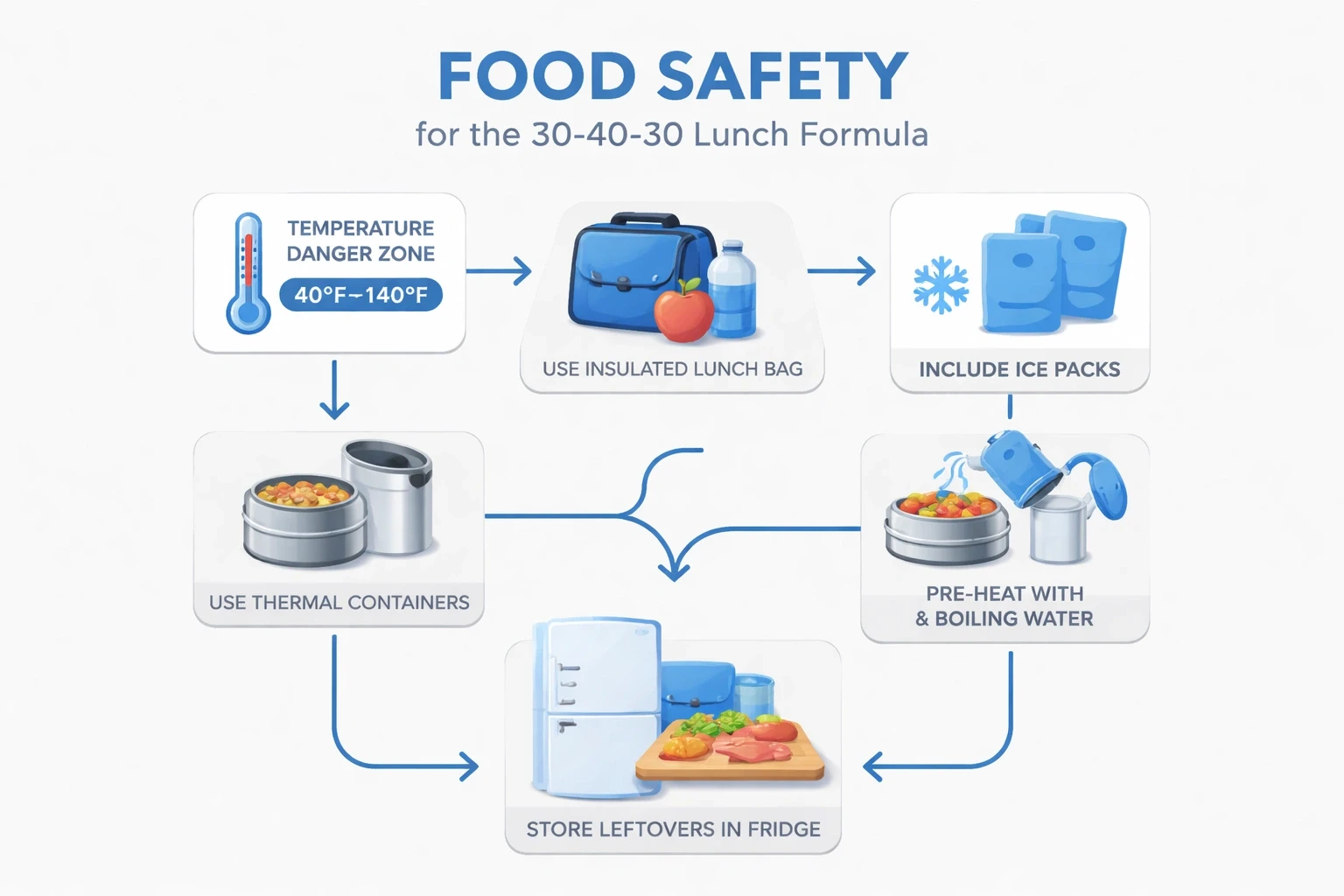
Eating a lukewarm curry that's been sitting on your desk for three hours is a great way to ruin your week. Bacteria thrive between 40°F and 140°F (4°C to 60°C). Without temperature control, your lunch box becomes a petri dish.
Get an insulated lunch bag and ice packs, or thermal containers for hot food. Put items in the fridge overnight, or toss in frozen ice packs in the morning. For hot food, pour boiling water into your thermal container for a few minutes before dumping it and adding the hot food.
Keep raw and cooked items separate. Don't pack raw veggies on a cutting board that just held raw chicken. Use different utensils. Wash your hands between handling meat and produce.
Pack strategically. Cold air sinks, so put ice packs at the bottom and sides of your bag, not just on top. Keep the bag out of direct sunlight.
When you get to the office, put your lunch in the fridge immediately. If there isn't one, use a thermal bag with enough ice packs and eat your lunch within 4 hours. If perishable food has been sitting out longer than that, toss it.
Portion control without measuring tools
If you don't want to weigh your food, use your hands. Your palm (not counting fingers) is roughly one serving of protein, about 20-25 grams. Your fist is about a cup, which works for measuring grains and cooked veg. Your cupped hand is a good estimate for a serving of dry grains or fruit.
For vegetables, just fill half your container. It automatically creates the 40% proportion. Split the remaining space between protein and carbs.
The size of your container matters. Use a medium one (2-3 cup capacity). Smaller containers naturally limit how much you eat, and studies show people consume 20-25% less from smaller plates without feeling deprived.
Assemble your lunch the exact same way for one week. After seven days, your brain will recognize the right amounts automatically. It takes the decision fatigue out of the process.
Of course, portion needs vary. A 50 kg office worker who barely moves needs a lot less than an 80 kg person who works out daily. Personalized nutrition adjusts for your metabolic rate and activity level, rather than just giving you a generic number.
Small things that punch above their weight
A few extras can upgrade a decent lunch to a great one. Throw in a tablespoon of mixed seeds (pumpkin, sunflower, flax, sesame) for omega-3s, zinc, and magnesium. They support hormone production and fight inflammation without adding many calories.
Add fermented foods. A couple of tablespoons of homemade pickles, kimchi, or sauerkraut give you probiotics that improve gut health and help you absorb nutrients from the rest of your meal. Gut bacteria also affect your mood and immunity.
Use herbs and spices generously. Coriander, mint, turmeric, ginger, garlic, black pepper they add flavor without sodium or sugar, and they pack antioxidants. Mixing turmeric with black pepper helps your body absorb the curcumin, which is a strong anti-inflammatory.
Pack a small piece of fruit separately. An apple or orange gives you easily digestible carbs and fiber, which is perfect for a mid-morning snack if lunch is late or you need something before a workout.
Make your own dressing or chutney. Store-bought versions are usually loaded with hidden sugars, preservatives, and bad fats. A quick mix of yogurt, tahini, or nut butter gives you healthy fats and makes the vegetables actually appealing.
Adapting for specific health goals
Weight loss: Bump vegetables up to 50%, drop carbs to 20%, and keep protein at 30%. Add more low-calorie, high-volume foods like leafy greens, zucchini, and mushrooms. It creates a caloric deficit while keeping you full. This lines up with sustainable weight loss principles focusing on nutrition quality instead of just starving yourself.
Muscle gain: Increase protein to 35-40%, keep veg at 30-35%, and bump carbs to 30-35%. Add calorie-dense nutritious items like nuts, avocado, or cheese. You need the extra protein for muscle synthesis and the carbs for training energy.
Diabetes management: Stick to low-glycemic carbs like quinoa, barley, and legumes. Load up on non-starchy vegetables for fiber, and add cinnamon, fenugreek, or bitter gourd. Don't eliminate carbs entirely just keep the amounts consistent from meal to meal, and always pair them with protein and healthy fats to blunt the blood sugar spike.
PCOS management: Prioritize anti-inflammatory foods and omega-3s like walnuts and flaxseeds, and choose low-glycemic carbs. Try adding spearmint tea. Skip processed foods entirely and keep your meal times consistent to help regulate insulin sensitivity.
Gut health issues: Go for easily digestible proteins like fish or well-cooked legumes. Start with cooked vegetables instead of raw. Add gut-healing foods like bone broth, cooked apples, and ginger. Introduce more fiber gradually as your tolerance improves. Eating lightly can help here's more on how to eat lightly for better health.
Mistakes that undo your good work
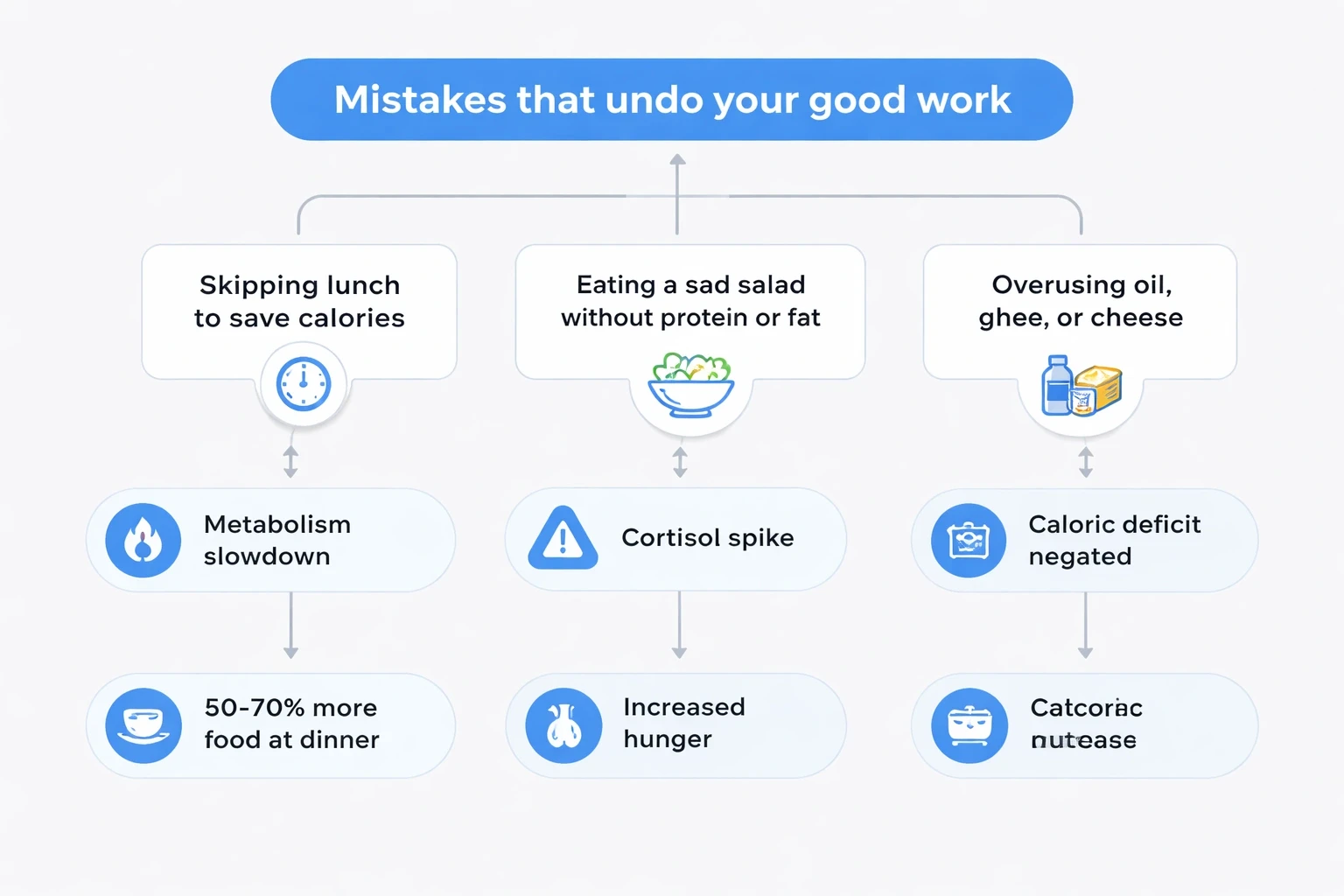
Skipping lunch to "save calories" always backfires. It triggers survival mechanisms that slow your metabolism, spike cortisol, and leave you ravenous later. Most people who skip lunch end up eating 50-70% more at dinner and during evening snacks, wiping out any caloric deficit they thought they created.
Eating a sad salad with no protein or fat isn't much better. You'll be hungry again in an hour. If you want a salad, add substantial protein, some cooked grains, and a fat source to make it an actual meal.
Going overboard with oil, ghee, or cheese is an easy trap. One tablespoon of oil or ghee per person is usually enough for cooking veg. Measure it out instead of pouring straight from the bottle the calories add up incredibly fast.
Packing the exact same lunch every day leads to nutrient gaps and mental burnout. Your body needs different nutrients from different foods. Eating the same thing on repeat means you're missing out on whole categories of vitamins and minerals.
Forgetting to drink water undermines everything. Dehydration mimics hunger and causes fatigue. Keep a water bottle at your desk and aim for 2-3 liters.
Creating a system that actually sticks
Start by tracking your current habits for one week. Write down what you eat, when you eat it, and how you feel a couple of hours later. Note your energy, hunger, and digestion. This baseline shows you what actually needs fixing.
Be honest about your constraints. How much time do you realistically have? What are your cooking skills? Do you have a fridge at work? A sustainable system works within your reality. If you only have 15 minutes in the morning, stick to simple assemblies rather than complex recipes.
Plan weekly, not daily. Pick 5-7 lunches you like, buy the groceries once, and prep the components in batches. It saves time, saves money, and keeps the ingredients fresh.
Adjust portions based on your afternoon feedback. If you're starving two hours later, add more protein and veg. If you're uncomfortably full, cut back a bit. Your body tells you what it needs if you pay attention.
Your optimal lunch is specific to you. Age, gender, activity level, health conditions, stress, and sleep all change what you need. Working with a qualified nutritionist for tailor-made diet plans ensures you're actually fueling your specific goals rather than following generic advice.
Lunch on the go
Business travel and chaotic schedules make eating well harder, but you can still make it work. For flight days, pack shelf-stable foods: roasted chickpeas, nuts, whole grain crackers with nut butter, and cut veggies. They'll be fine without a fridge for 6-8 hours.
If you're at a client site without a fridge, choose foods that survive room temperature: whole fruits, nut butter sandwiches on whole grain bread, roasted nuts, homemade energy bars. Skip dairy, cooked meats, and mayo-based items.
On days with back-to-back meetings, pack finger foods you can eat quickly without utensils: vegetable wraps, protein balls, roasted chickpeas, fruit. You can eat them during a 5-minute break without having to heat anything or assemble it.
Keep the 30-40-30 principle even when things aren't ideal. If you have to eat at a restaurant, order grilled protein, double the vegetables, and a small portion of rice or bread. Blot excess oil with a napkin if you need to. Doing it imperfectly is better than abandoning it entirely.
Meal timing aligned with your body rhythm still matters when your schedule is chaotic. Try to keep your lunch time within a 1-2 hour window to support your circadian rhythm and metabolism.
When things still feel off
Still tired after lunch despite following the formula? Look at food quality, not just proportions. Are your carbs actually complex, or are they refined? Is your protein heavy and hard to digest? Are you inhaling your food without chewing?
If you're always hungry in the afternoon, you probably need more fat. Add a tablespoon of nuts, seeds, or avocado. Fat slows down digestion and keeps you full without spiking your blood sugar.
Bloated and uncomfortable? Ease up on the raw vegetables for a bit and eat more cooked ones. Raw fiber is tough for some people to break down. Reintroduce raw veg slowly as your tolerance builds.
Bored out of your mind? You need variety. Try new vegetables, different protein marinades, or entirely different cuisines while keeping the macro balance. Herbs, spices, and different cooking methods go a long way in making healthy food something you actually want to eat.
Weight loss stalled? Check your other meals. Sometimes people unconsciously eat more at 4 PM snack time or dinner to make up for the daytime deficit. Track your total intake for a week to find the hidden calories.
The long game
Eating a good lunch pays off over time. Consistently balanced midday meals regulate insulin sensitivity, lowering your risk for diabetes and metabolic syndrome. Data shows people who eat balanced lunches have a 40% lower risk of developing type 2 diabetes compared to those who skip it or eat garbage.
Steady afternoon energy keeps stress hormones down. When your brain gets a consistent supply of glucose, you make better decisions and actually have the mental bandwidth to do your job well.
A solid lunch also prevents the evening binge that ruins weight management. Most people who struggle with weight gain eat too many calories between 6 PM and bedtime. A satisfying lunch stops the extreme hunger that drives that behavior.
Regular healthy lunches support gut microbiome diversity through varied fiber sources. Your gut health is tied to almost everything else immunity, mental health, hormones, and inflammation levels.
Building one good habit makes it easier to build others. People who pack their lunches tend to exercise more regularly and sleep better. The lunch box is just a starting point. It affects your afternoon, sure, but it also shapes your long-term health. You don't have to be perfect. You just have to be consistent.
More Blog Post
HEALTH
DIET
Why Generic Diets Fail: Personalized Nutrition Tips for Your Body
Discover why generic diets fail and how personalized nutrition can fix fatigue, gut issues, weight plateaus, and hormone imbalances.
Team Vasundhara
|
HEALTH
DIET
Sustainable Weight Loss: Avoid Crash Diets & Fix Your Metabolism
Crash diets fail. Learn sustainable weight loss tips to fix metabolism, eat real food, and build healthy habits for lasting results.
Team Vasundhara
|
HEALTH
DIET
What Makes Food 'Light' and How to Eat Lightly for Better Health
Discover what makes food 'light' and how to eat lightly for better digestion, energy, and overall health without restriction. Learn about nutrtion and diet
Team Vasundhara
|

HEALTH
DIET
Low-Calorie Dinner Ideas for Better Sleep & Energy
Discover low-calorie dinner recipes that boost sleep, reduce blood sugar spikes, and keep you energized. Nutrient-dense, satisfying meals under 450 calories. Read more.
Team Vasundhara
|

HEALTH
DIET
Optimize Meals with Body Rhythm: Personalized Nutrition Guide
Align meals with your body’s rhythm to boost digestion, energy, and weight loss. Get personalized nutrition tips for lasting health.
Team Vasundhara
|
HEALTH
DIET
Healthy Workplace Snacks to Avoid the 3 PM Crash | Vasundhara
Protein‑rich, nutrient‑dense snacks to keep you energized all day and prevent the 3 PM crash. Smart office snacking. #HealthyWorkplace #WeightLoss
Team Vasundhara
|

HEALTH
DIET
Smart Evening Snacks: Fuel Your Body, Not Your Cravings
Learn why you get hungry at night, how smart snacks prevent overeating, boost sleep, and aid sustainable weight loss.
Team Vasundhara
|
HEALTH
DIET
Beat the 4 PM Slump with Healthy Snacks | Metabolism Health
Beat the 4 PM slump with smart snacks. Protein, fiber & healthy fats keep you full, avoid crashes. Sustainable weight loss starts now.
Team Vasundhara
|
HEALTH
DIET
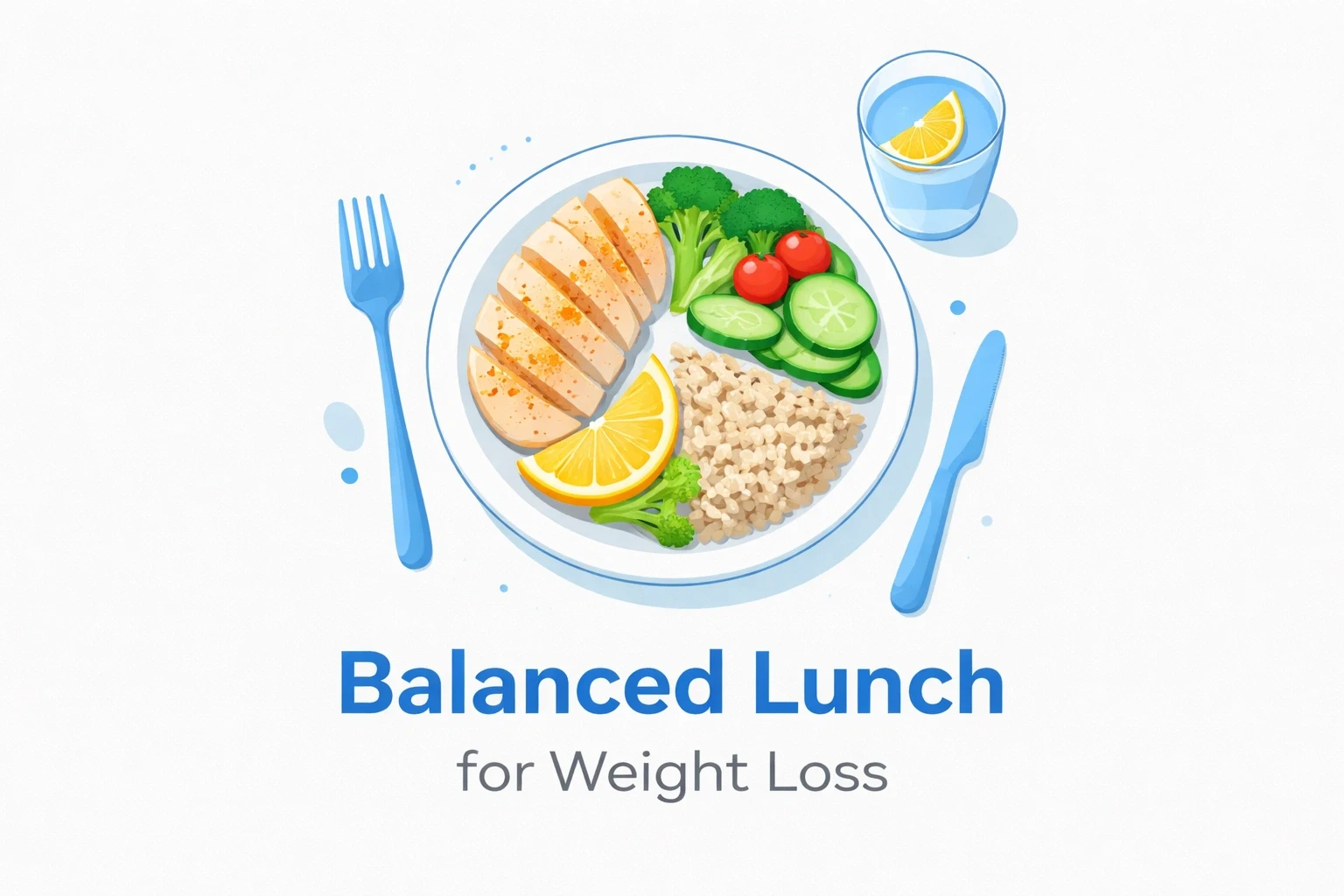
Lunch Fix: 30% Protein, 40% Veggies, 30% Carbs for Weight Loss
Discover the 30% protein, 40% veggies, 30% carbs lunch formula to stabilize blood sugar and avoid cravings. Simple, effective, and easy to prepare.
Team Vasundhara
|
HEALTH
DIET
The Science of Mid-Morning Snacks: Boost Metabolism & Energy
Discover why mid-morning snacks boost metabolism, balance hormones, and prevent overeating. Explore 10 healthy options for sustained energy.
Team Vasundhara
|
HEALTH
DIET
Healthy Office Lunch Ideas: 30-40-30 Formula for Energy
Pack a nutritious office lunch using the 30-40-30 formula. Stay full, avoid crashes, and boost productivity with simple lunch box tips.
Team Vasundhara
|
HEALTH
DIET
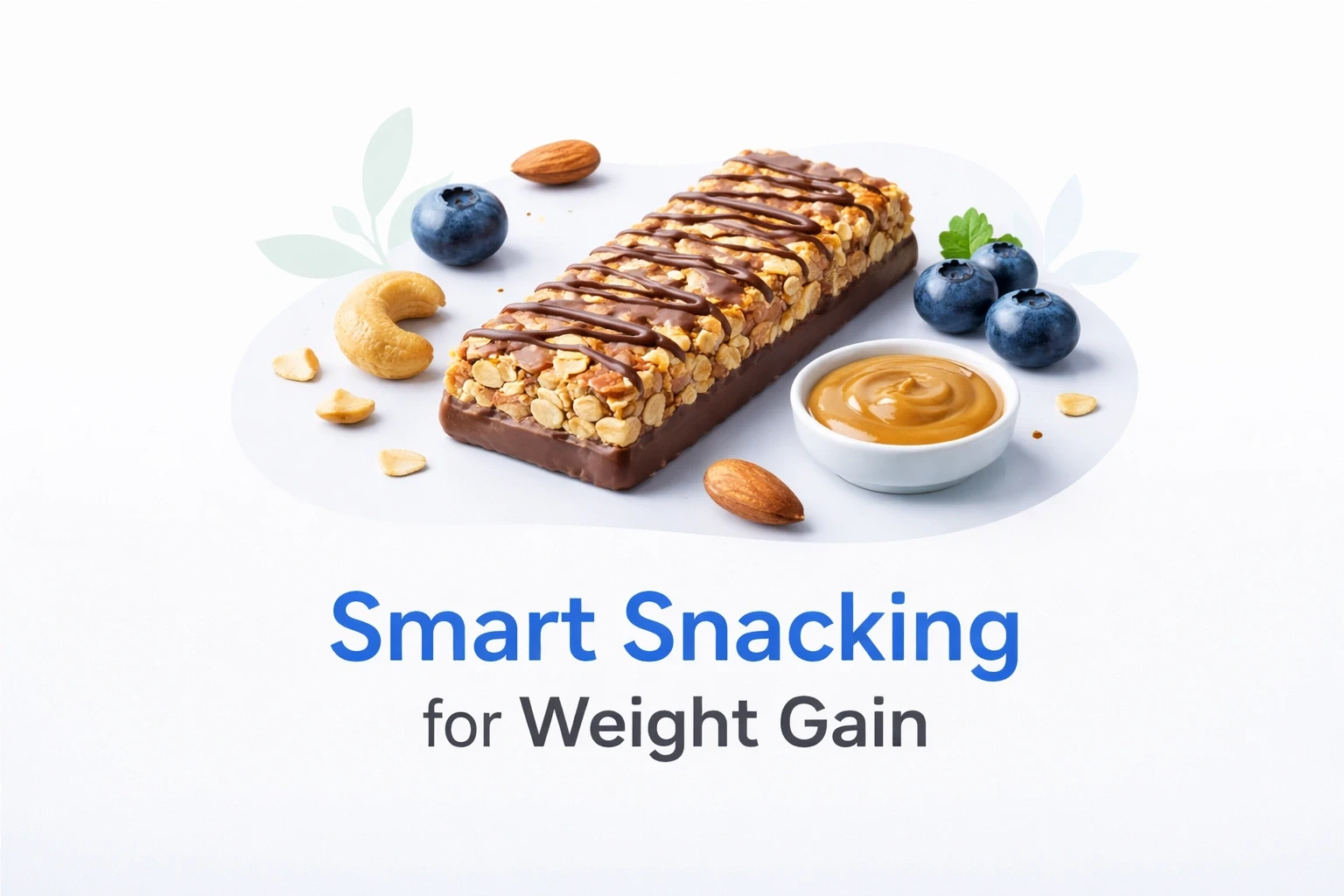
Smart Snacking Strategies for Healthy Weight Gain
Effective weight‑gain snack ideas that support digestion, avoid empty calories, and boost nutrient intake for sustainable muscle growth.
Team Vasundhara
|
HEALTH
DIET
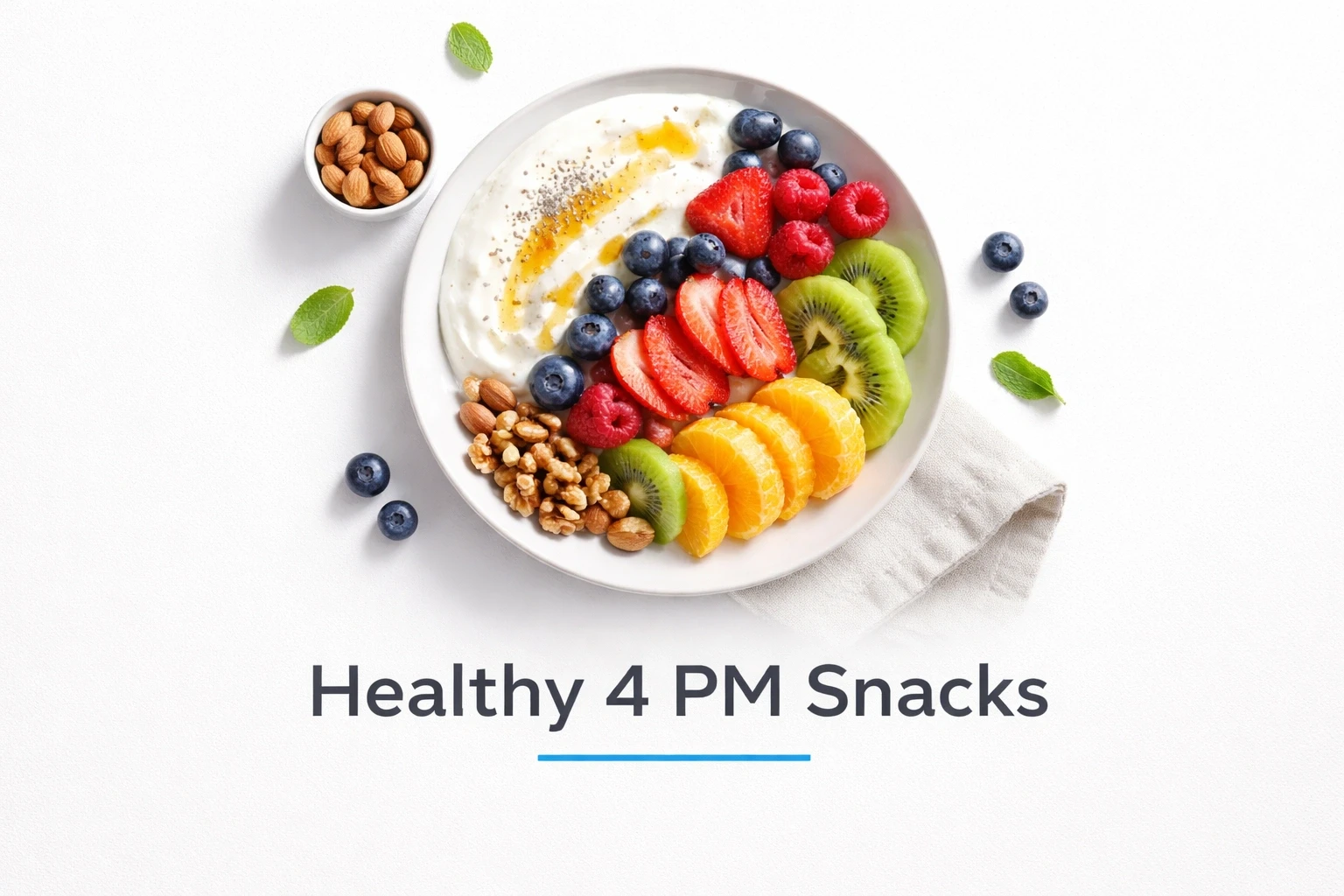
Healthy 4 PM Snacks to Avoid Evening Binges
Healthy 4 PM snack ideas to stabilize blood sugar, prevent evening binges, and support weight loss, PCOS, and metabolism with nutrient-dense options.
Team Vasundhara
|
HEALTH
DIET
The 30-40-30 Lunch Formula: Beat Afternoon Slumps
Discover the 30-40-30 lunch formula for sustained energy. Balance protein, veggies, and carbs to avoid afternoon crashes and boost productivity.
Team Vasundhara
|