HEALTH
DIET
Healthy Office Lunch Ideas: 30-40-30 Formula for Energy
Vinamra
|
Share to
Pack a nutritious office lunch using the 30-40-30 formula. Stay full, avoid crashes, and boost productivity with simple lunch box tips.
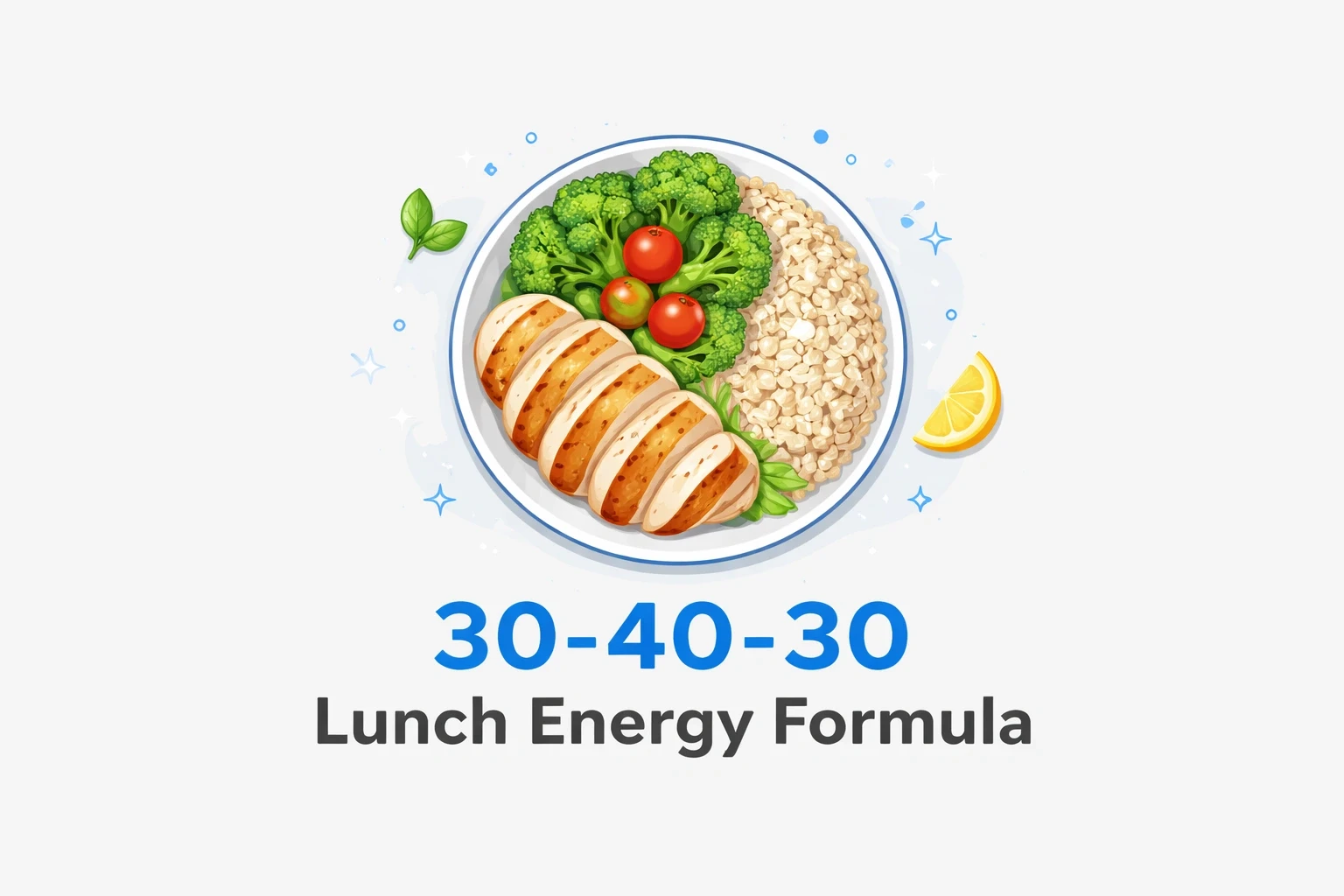
Bringing lunch from home is one of the simplest ways to eat better during the work week. You avoid the 3 PM crash, skip the vending machine, and actually have energy left by the time you get home. The basic formula isn't complicated: aim for roughly 30% protein, 40% vegetables, and 30% complex carbs. It keeps you full without making you sleepy.
Your lunch box matters more than you might think. Heavy takeaway meals spike your blood sugar and tank your productivity just when you need to focus. A packed lunch solves that, but only if you do it right.
What Makes an Office Lunch Box Actually Work
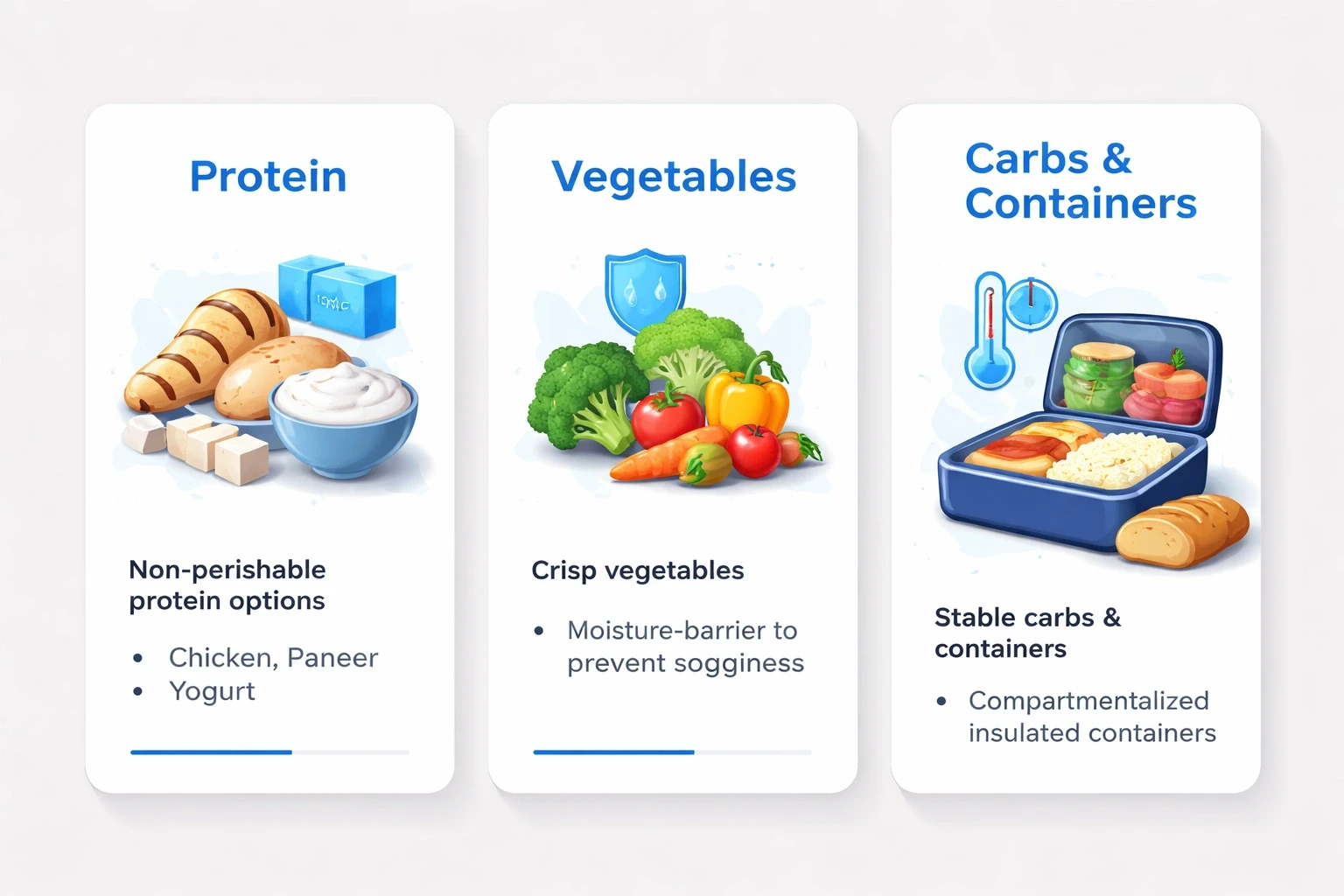
Effective lunch boxes deliver real nutrition in a format that survives the commute. You need proteins that don't spoil by noon, vegetables that don't get soggy, and carbs that stay appetizing. The container matters, too keeping components separate keeps flavors intact.
Temperature is the make-or-break factor for food safety. Insulated bags with ice packs keep things below 40°F (4°C), which is non-negotiable for chicken, paneer, or yogurt. Thermal containers keep dal or soup hot enough (above 140°F/60°C) to stop bacteria from growing.
Compartmentalized containers force you into portion control without thinking. A three-section box naturally creates that 30-40-30 split we discussed in the lunch optimization guide. You don't have to weigh things just fill the sections.
Sunday prep is the other half of the equation. Spending 90 minutes batch-cooking means your mornings take 5 minutes: grab the containers, assemble, go. It's the difference between a stressful morning and a calm one.
Protein Ideas That Actually Keep You Full
Protein is what keeps you from raiding the snack drawer at 4 PM. You want about 25-30 grams per meal. Grilled chicken strips, boiled eggs, paneer tikka, or a solid portion of chickpea salad all work. They taste fine at room temperature, too.
If you're vegetarian, you have to mix things up to get complete proteins. Rice and dal together, quinoa and black beans, roti and lentil curry these combinations work because they fill each other's amino acid gaps. You get the protein you need without thinking too hard about it.
Traditional Indian lunches are actually perfect for this. Moong dal cheela, rajma chawal in measured portions, or chole with brown rice give you familiar flavors that hit your protein goals. Just go easy on the oil 1-2 teaspoons per serving is enough. You don't need the heavy restaurant-style tadka.
Don't sleep on yogurt sides. Mix 150g of Greek yogurt with cucumber, mint, and roasted cumin for a quick 15-18 grams of protein. It cools down spicy mains and helps with digestion.
If your office doesn't have a fridge, rely on temperature-stable options. Roasted makhana with chana is great for rushed mornings. Nut butter on whole grain bread works too just keep it to 2 tablespoons.
Vegetables That Don't Get Soggy
Raw vegetables are your best bet for lunch boxes. They keep their crunch for hours. Bell peppers, carrots, cucumbers, cherry tomatoes cut them fresh and they're good for 6-8 hours. They fill that 40% vegetable slot with almost no effort.
Blanched vegetables are a good middle ground. Steam broccoli or green beans for 2-3 minutes, then dunk them in ice water. They keep their color, get a bit softer for easier digestion, and don't turn into mush by lunch.
Soggy salads are the main reason people give up on packed lunches. The fix is simple: keep the dressing separate. Layer sturdy stuff (cabbage, lettuce) on the bottom and delicate stuff (tomatoes) on the top. Keep the wet stuff away from the dry stuff.
Indian sabzis travel surprisingly well if you cook them right. Dry preparations aloo-gobi, bhindi masala, baingan bharta hold up way better than anything with gravy. Cook them until just tender, not soft. They'll finish cooking in the container.
Fermented sides like achaar or kimchi add flavor and gut benefits. Just keep it to 1-2 tablespoons. They last for weeks in the fridge, so make a batch and forget about it.
If you want to save time, roast a big sheet pan of mixed vegetables on Sunday. Zucchini, peppers, mushrooms, onions toss with oil and spices, roast at 200°C for 25 minutes. You'll have vegetable sides for the whole week. They taste good cold, too.
Carbs That Won't Make You Sleepy
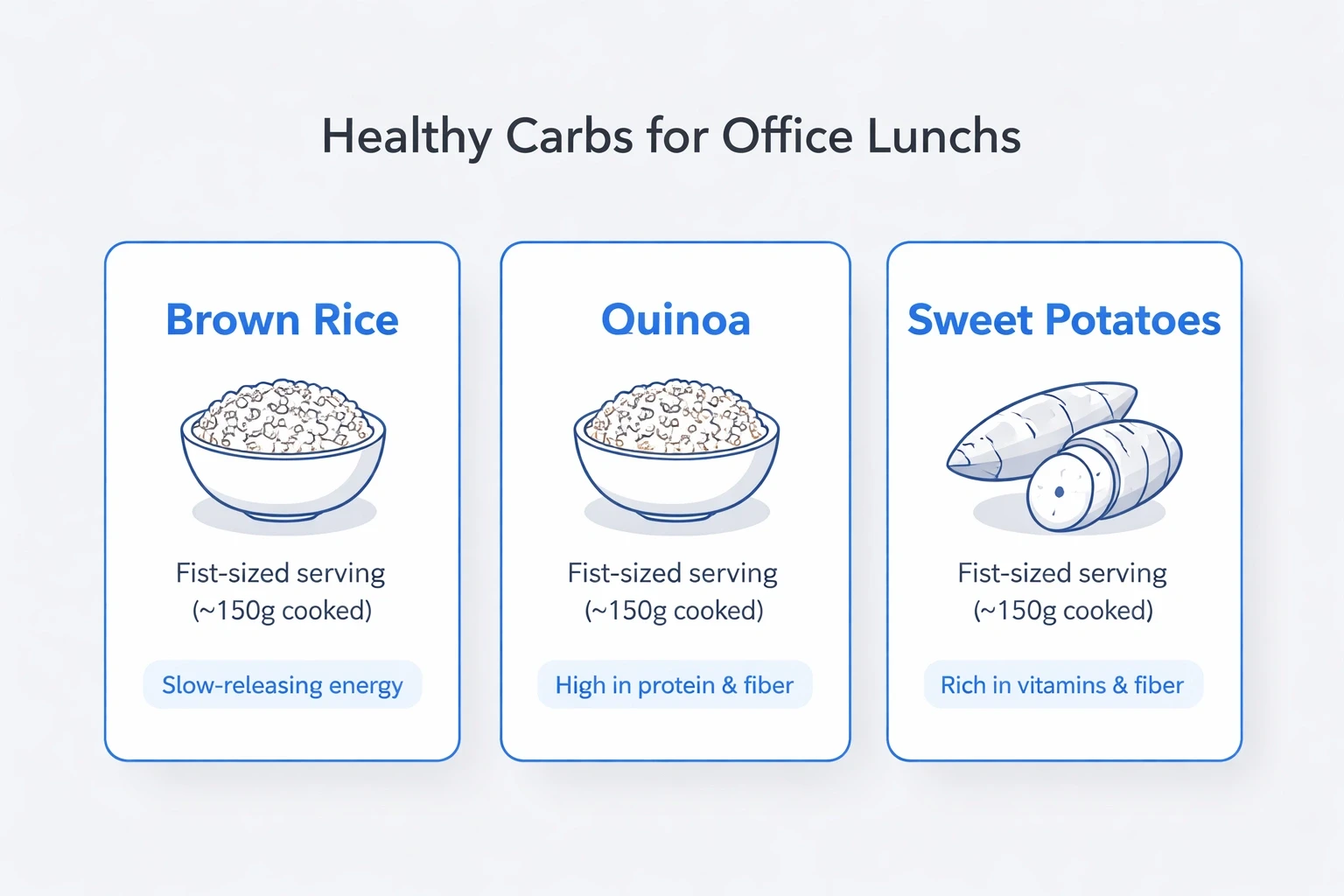
Complex carbs are fine. It's the white, refined ones that cause the crash. Brown rice, quinoa, whole wheat roti, millets, or sweet potatoes release energy slowly over 3-4 hours. They don't spike your insulin like white rice or bread do.
Keep the portion to about a fist-sized serving (150g cooked). That's about 3/4 cup of rice, 2 rotis, or one medium sweet potato. It fits that 30% slot in your box perfectly.
Here's a trick: cook your rice or pasta, then let it cool for 24 hours before eating. It increases resistant starch by 40-50%, which means your body absorbs fewer calories and your gut bacteria get fed. This meal timing approach actually changes how your body processes the food.
Don't be afraid of alternative grains. Barnyard millet, foxtail millet, or amaranth have way more protein and fiber than white rice. They taste different, but they work with familiar curries and dals.
Timing matters, too. Lunch is actually the best time for carbs because your body handles insulin better around midday. It fits your natural rhythm, as we explain in the body rhythm guide.
Pre-portioning helps. On Sunday, fill 5 containers with exactly 150g of cooked grains. Grab one each morning and pair it with whatever protein and vegetables you want.
Lunch Box Combos for Different Goals
Weight loss means focusing on volume. Fill half your box with low-calorie vegetables. Grilled chicken (120g), roasted veggies (200g), quinoa (100g), and cucumber salad gives you a 350-400 calorie meal that keeps you full until your evening snack.
Building muscle needs more protein and carbs. Try paneer tikka (150g), brown rice (180g), sautéed spinach (150g), and a small dal serving. That's 550-600 calories and 40-45g of protein perfect for post-workout recovery.
Managing diabetes? Cut the carbs and boost the fiber. Rajma (150g), cauliflower rice (200g), cucumber raita, and half a roti won't spike your blood sugar. The fiber-to-carb ratio is where you want it.
PCOS-friendly lunches need healthy fats and protein. Baked salmon (120g), roasted veggies (200g), a bit of quinoa (80g), and some avocado give you omega-3s that fight inflammation.
General wellness is just about variety. Don't eat the same thing every day. Rotate: dal-rice-sabzi one day, Mediterranean bowl the next, tofu stir-fry after that. You get better micronutrients and you won't get bored.
Travel days need sturdy food. Chickpea salad, crackers, and nut butter packets don't need refrigeration. They survive being thrown around in a bag.
Meal Prep Systems That Save Time
Give Sunday 90 minutes and you'll thank yourself all week. Roast three proteins (chicken, paneer, chickpeas), steam 4-5 vegetables, and cook 2-3 grains. You get maximum output for minimum active cooking time.
Glass containers with compartments are worth the investment. They don't stain, you can microwave them, and they keep portions in check. Label them with dates proteins last 4 days, veggies 5, grains 6.
Set up a lunch station in your kitchen. Containers, utensils, ingredients all in one spot. It turns a 15-minute morning struggle into a 5-minute assembly line. This is crucial if you're following a mid-morning snack schedule and need to get out the door early.
Flavor fatigue is real. Keep three spice blends on hand: Mediterranean, Indian, Asian. Use them on the same base ingredients. Monday is Italian herb chicken; Wednesday is tandoori. It tricks your brain into thinking you're eating something different.
If you hate fully prepped meals, just prep the components. Chop vegetables, cook grains, prep proteins. Spend 3-4 minutes each morning mixing them fresh. It feels more like "cooking" and less like eating leftovers.
Freeze the extras. Soups and curries last 2-3 months frozen. Make double batches and rotate them in later. It breaks up the routine without extra cooking.
Common Mistakes (And How to Fix Them)
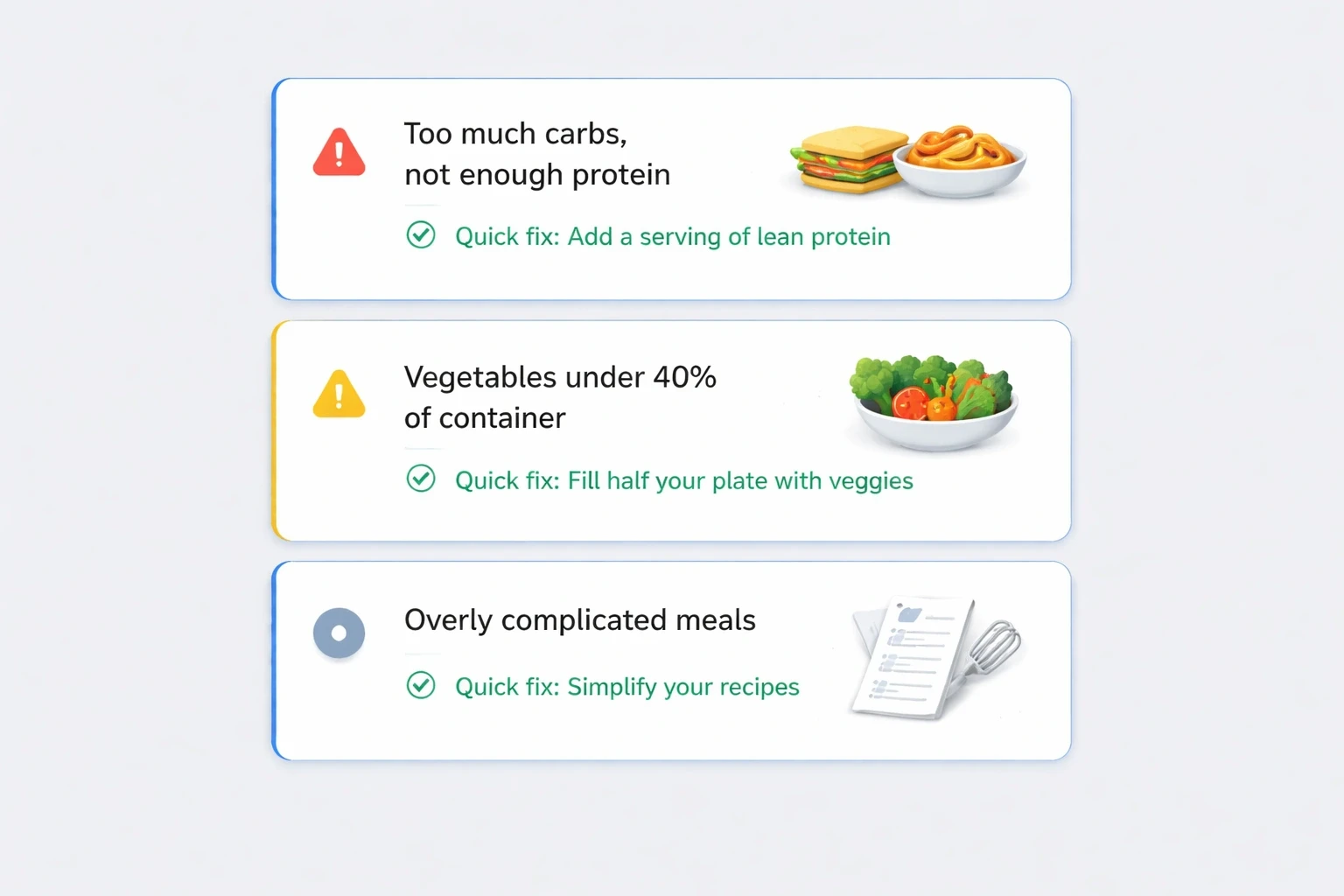
Not enough protein is the biggest one. People pack carb-heavy lunches sandwiches, pasta, rice with a little veg and wonder why they're starving by 4 PM. Protein needs to fill a third of your container. Visual check: is it the size of your palm? If not, add more.
Skimping on vegetables robs you of fiber and volume. If vegetables aren't taking up 40% of the space, you're missing the one thing that controls hunger hormones. This is usually why people hit the 4 PM slump.
Making it too complicated kills consistency. You don't need restaurant-quality meals. Simple roasted veggies, grilled protein, and seasoned grains work. Sustainability beats perfection.
Ignoring food safety is risky. Bacteria love the 40-140°F (4-60°C) range. If you don't have ice packs or a fridge, your lunch is a hazard after 2 hours. Invest in good containers and bags.
Eating the same thing every day leads to burnout. After 2-3 weeks, you'll quit. Rotate three different meal types weekly. It keeps your brain engaged.
Portions are tricky. Too little and you binge at dinner. Too much and you feel sluggish. Use the portion control visual guide if you're unsure.
Adapting Traditional Meals
You don't have to eat salads to be healthy. Indian food travels well. Dry dishes bhindi masala, aloo-gobi, paneer bhurji are perfect for lunch boxes. Just cut the oil back from the traditional 3-4 tablespoons to 1-1.5.
Regional food works, too. South Indian: quinoa upma, sambar with brown rice. Bengali: mustard fish. Gujarati: dhokla with vegetables. They all fit the formula.
Fusion is fine. Tandoori chicken wraps with whole wheat tortillas, curry-flavored chickpea salads they bridge tradition and convenience.
Think about dinner-to-lunch pipeline. Cook extra at dinner. Pack the leftovers. It's efficient and reduces waste.
Don't worry about what people think. Your dal-rice is healthier than their takeaway sandwich. Own it.
Storage Tips
Temperature control is everything. Ice packs go on top of containers because cold air sinks. Insulated bags keep food safe for 6-8 hours.
Glass containers are better. No microplastics, microwave-safe, and they don't stain. Stainless steel is durable but you can't microwave it.
Leak-proof containers save your bag. Test them at home first. A dal spill is a bad way to learn that lesson.
No fridge? Stick to stable foods. Roasted veggies, grain salads, nuts. They last 4-5 hours at room temperature.
Reheating matters. Microwave to 165°F (74°C) internal temp. Stir halfway through. Some things grain salads, chickpeas taste better cold, so skip the microwave entirely.
Doing It on a Budget
Packing lunch saves serious money. A home-packed lunch costs ₹60-80 in ingredients. The same meal out costs ₹250-350. That's ₹3,500-5,500 saved a month.
Buy in bulk. Grains, pulses, and spices last forever. Get 5-10kg bags from wholesale markets. It's 20-30% cheaper.
Eat seasonally. In-season vegetables cost 40-60% less and taste better. May 2026? Look for gourds, beans, okra.
Protein is where costs add up. Eggs are the cheapest complete protein (₹6-7 each). Pulses are cheap (₹10-15 per 100g). Save fish and paneer for 2-3 days a week. Use eggs and lentils the rest of the time.
Time is money. Daily cooking takes 45-60 minutes. Batch cooking takes 90 minutes for 5 meals. You save 4-5 hours a week.
Don't waste scraps. Vegetable ends become stock. Leftover grains become fried rice. It stretches your grocery budget significantly.
Medical Conditions? Adjust Accordingly
Hypothyroidism: Add Brazil nuts (2-3) and pumpkin seeds (1 tbsp) for selenium and zinc.
Fatty liver: Cut the fat. Use spray oil, grill instead of fry. Make vegetables 50% of the meal.
Inflammation: Turmeric + black pepper in grains. Flaxseeds for omega-3s. Colorful vegetables for anthocyanins.
Digestive issues: Cook veggies soft. White rice over brown during flare-ups. Skip raw veg. Add yogurt for probiotics.
Kidney disease: This is where generic advice fails. Potassium and phosphorus control is specific. You need personalized nutrition guidance, not a blog post.
One week of consistent prep is all it takes to start seeing changes. Better energy, clearer head, actual progress toward your goals. The systems you build now pay off every single day.
If you want a plan that actually fits your life your schedule, your medical history, your food preferences personalized diet planning is the way to go. Generic advice has limits. A customized plan considers your metabolism, your deficiencies, and what you're actually willing to cook. Get guidance that's practical, not theoretical, through our consultation services.
More Blog Post

HEALTH
DIET
Why Generic Diets Fail: Personalized Nutrition Tips for Your Body
Discover why generic diets fail and how personalized nutrition can fix fatigue, gut issues, weight plateaus, and hormone imbalances.
Team Vasundhara
|
HEALTH
DIET
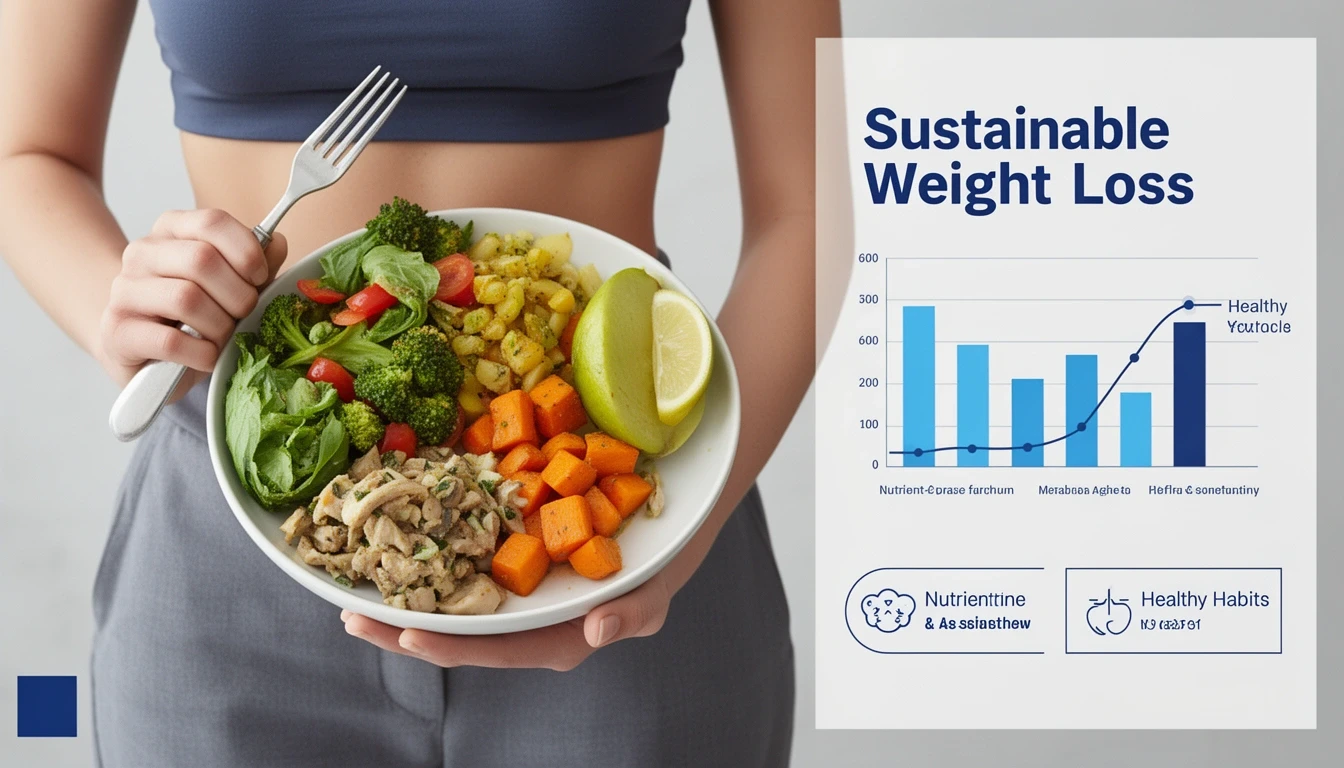
Sustainable Weight Loss: Avoid Crash Diets & Fix Your Metabolism
Crash diets fail. Learn sustainable weight loss tips to fix metabolism, eat real food, and build healthy habits for lasting results.
Team Vasundhara
|
HEALTH
DIET
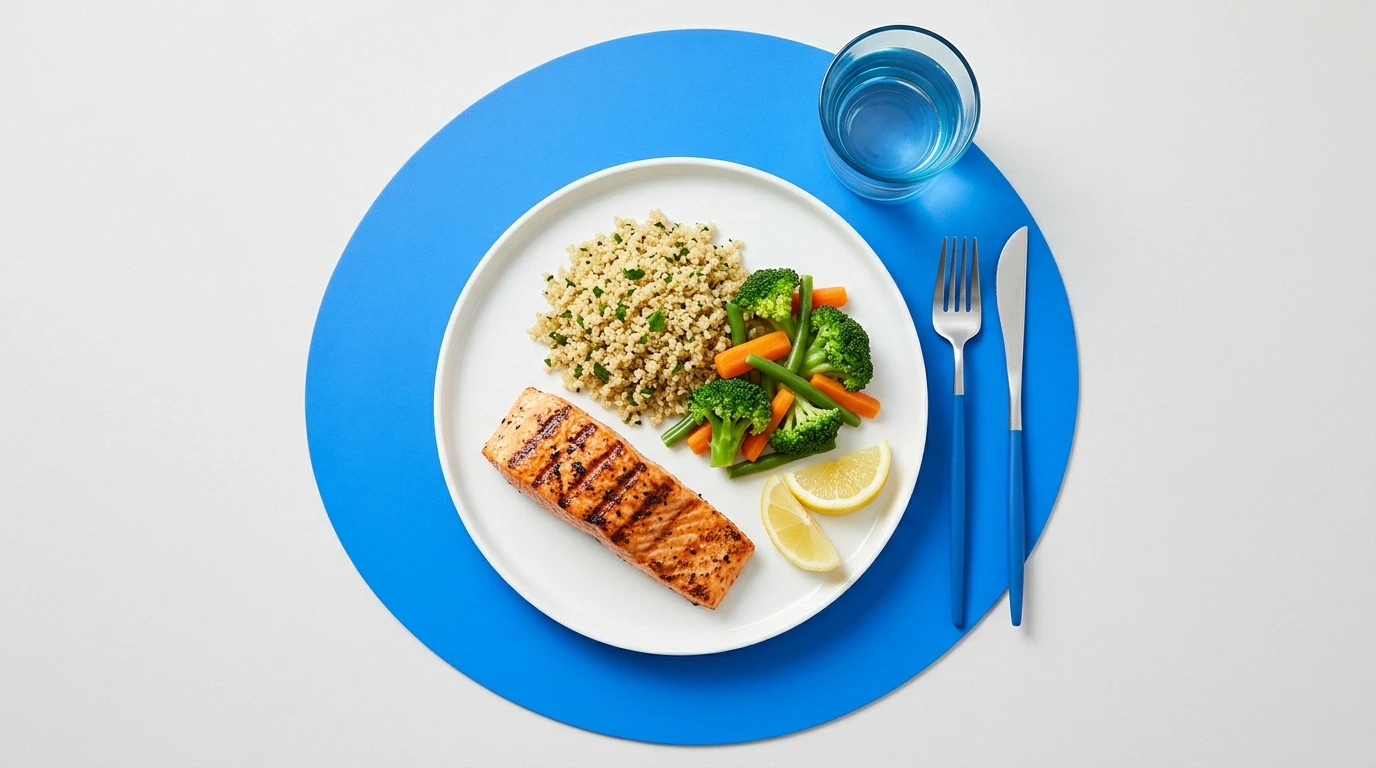
What Makes Food 'Light' and How to Eat Lightly for Better Health
Discover what makes food 'light' and how to eat lightly for better digestion, energy, and overall health without restriction. Learn about nutrtion and diet
Team Vasundhara
|

HEALTH
DIET
Low-Calorie Dinner Ideas for Better Sleep & Energy
Discover low-calorie dinner recipes that boost sleep, reduce blood sugar spikes, and keep you energized. Nutrient-dense, satisfying meals under 450 calories. Read more.
Team Vasundhara
|

HEALTH
DIET
Optimize Meals with Body Rhythm: Personalized Nutrition Guide
Align meals with your body’s rhythm to boost digestion, energy, and weight loss. Get personalized nutrition tips for lasting health.
Team Vasundhara
|
HEALTH
DIET
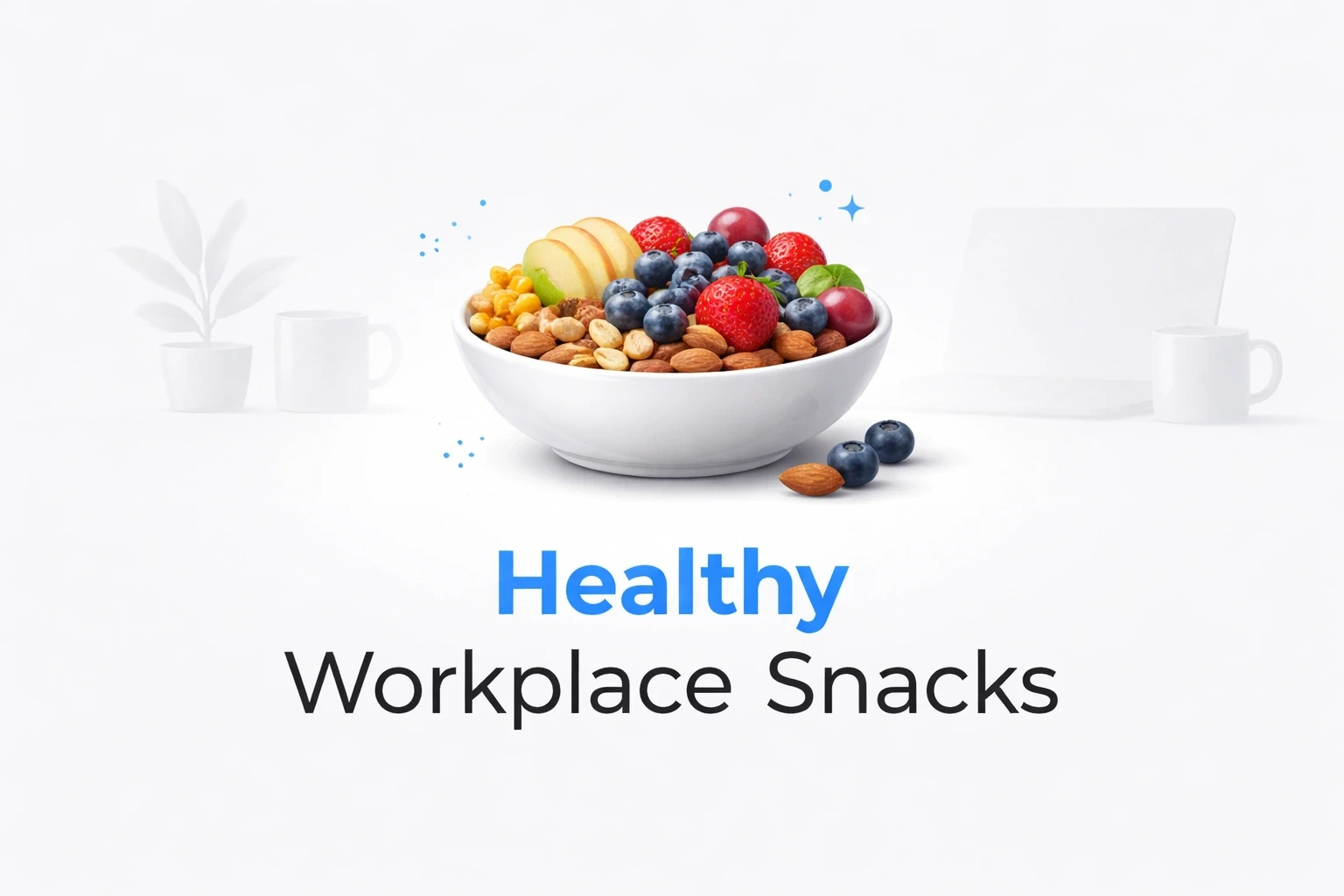
Healthy Workplace Snacks to Avoid the 3 PM Crash | Vasundhara
Protein‑rich, nutrient‑dense snacks to keep you energized all day and prevent the 3 PM crash. Smart office snacking. #HealthyWorkplace #WeightLoss
Team Vasundhara
|

HEALTH
DIET
Smart Evening Snacks: Fuel Your Body, Not Your Cravings
Learn why you get hungry at night, how smart snacks prevent overeating, boost sleep, and aid sustainable weight loss.
Team Vasundhara
|
HEALTH
DIET
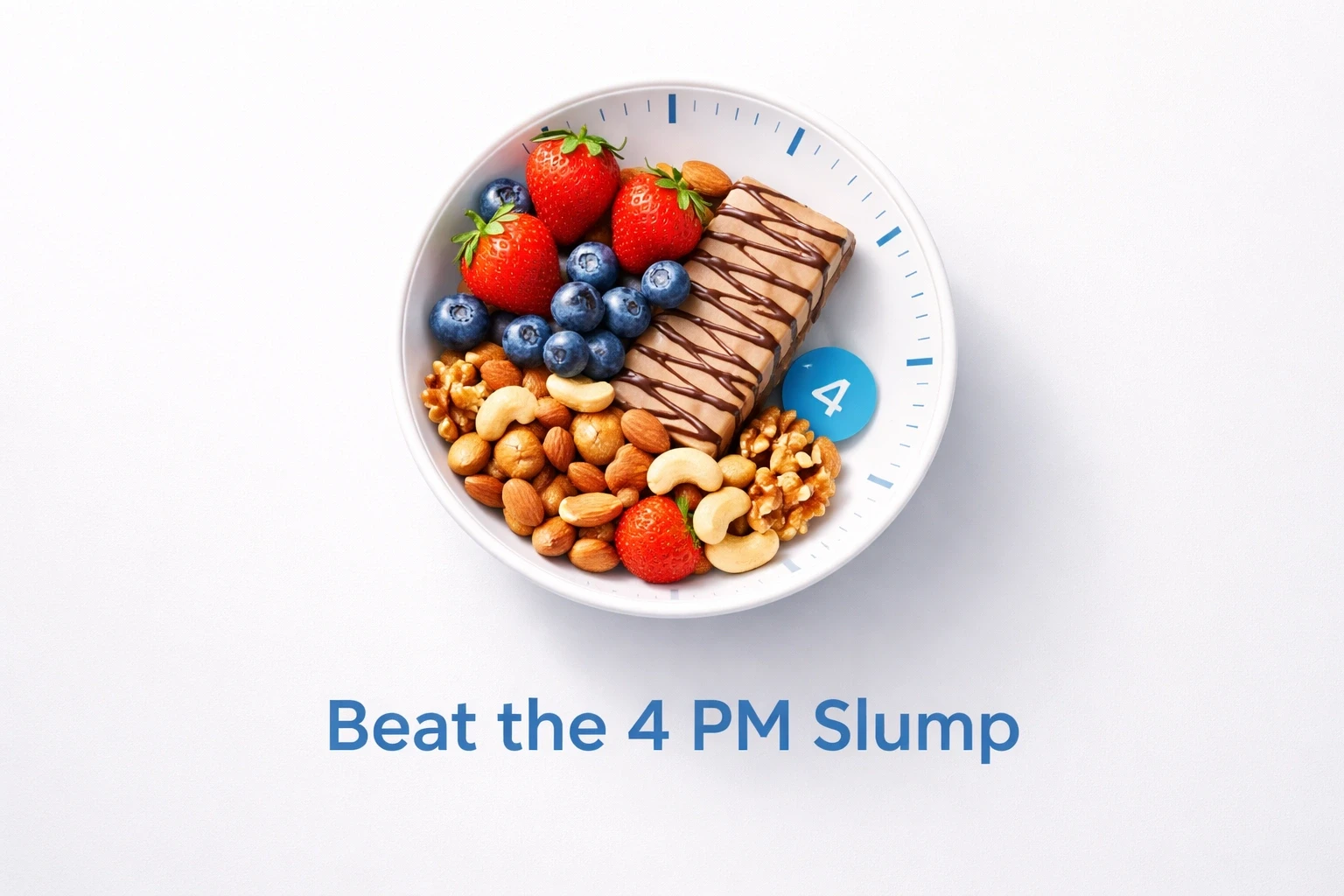
Beat the 4 PM Slump with Healthy Snacks | Metabolism Health
Beat the 4 PM slump with smart snacks. Protein, fiber & healthy fats keep you full, avoid crashes. Sustainable weight loss starts now.
Team Vasundhara
|
HEALTH
DIET
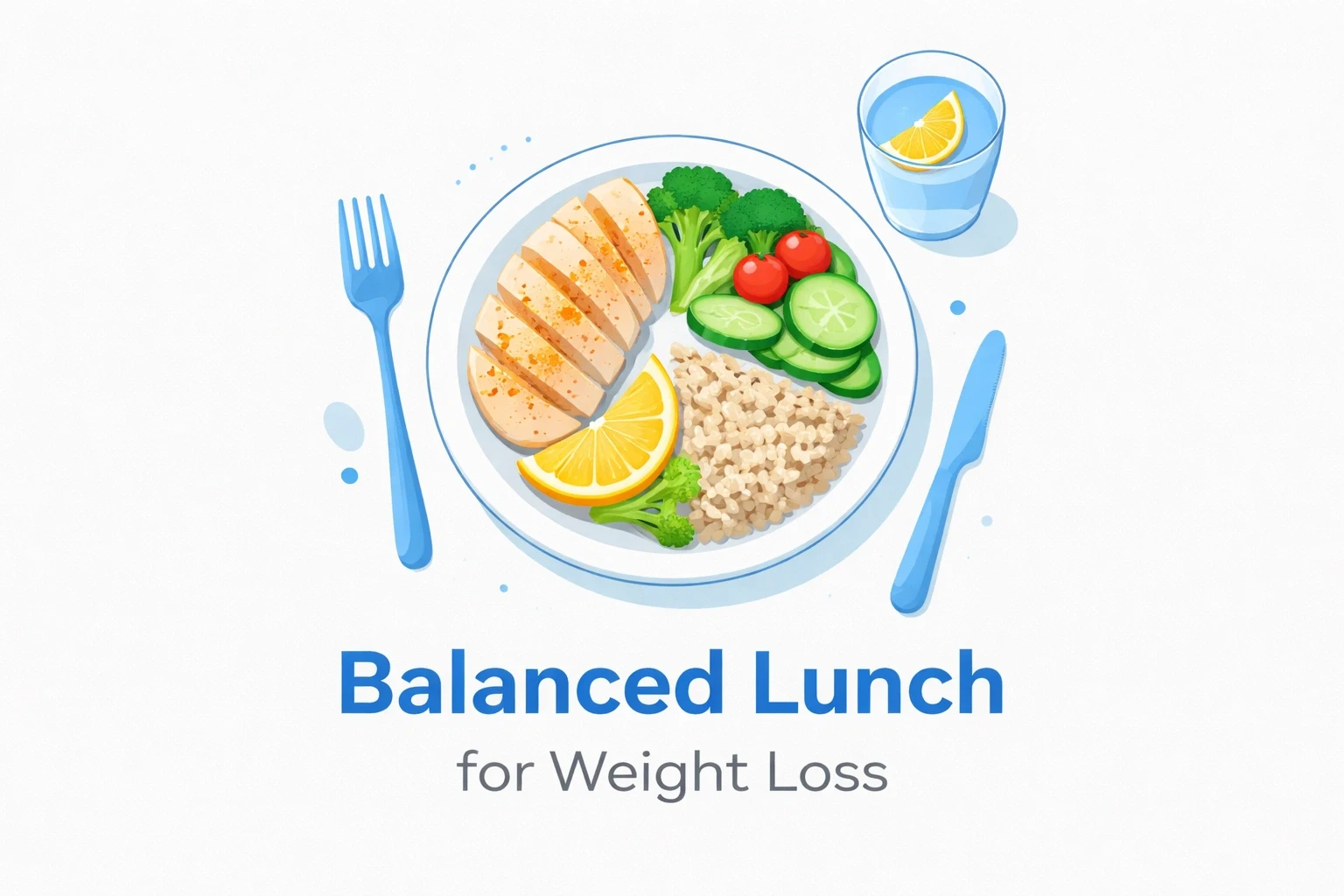
Lunch Fix: 30% Protein, 40% Veggies, 30% Carbs for Weight Loss
Discover the 30% protein, 40% veggies, 30% carbs lunch formula to stabilize blood sugar and avoid cravings. Simple, effective, and easy to prepare.
Team Vasundhara
|
HEALTH
DIET
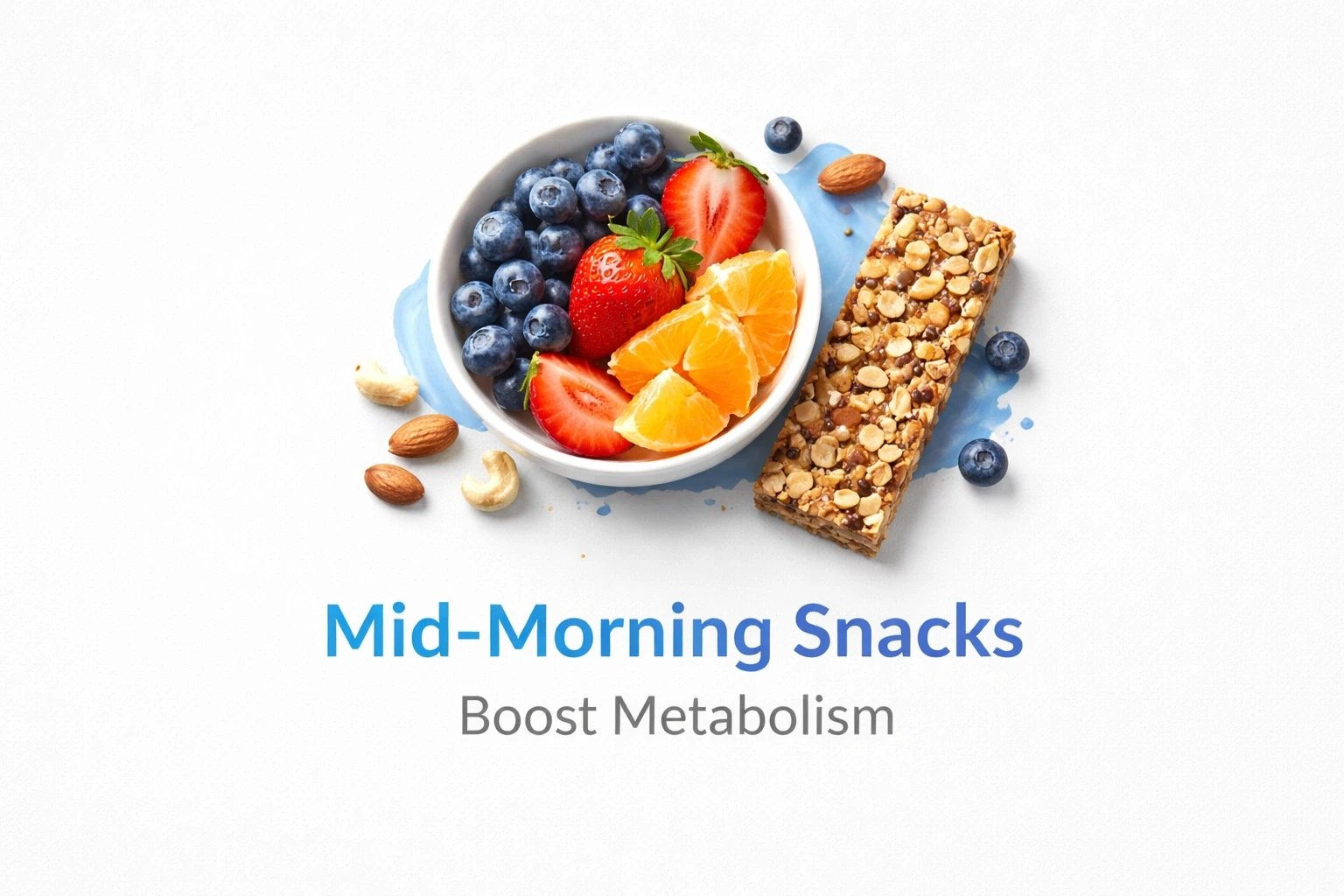
The Science of Mid-Morning Snacks: Boost Metabolism & Energy
Discover why mid-morning snacks boost metabolism, balance hormones, and prevent overeating. Explore 10 healthy options for sustained energy.
Team Vasundhara
|
HEALTH
DIET
Healthy Office Lunch Ideas: 30-40-30 Formula for Energy
Pack a nutritious office lunch using the 30-40-30 formula. Stay full, avoid crashes, and boost productivity with simple lunch box tips.
Team Vasundhara
|
HEALTH
DIET
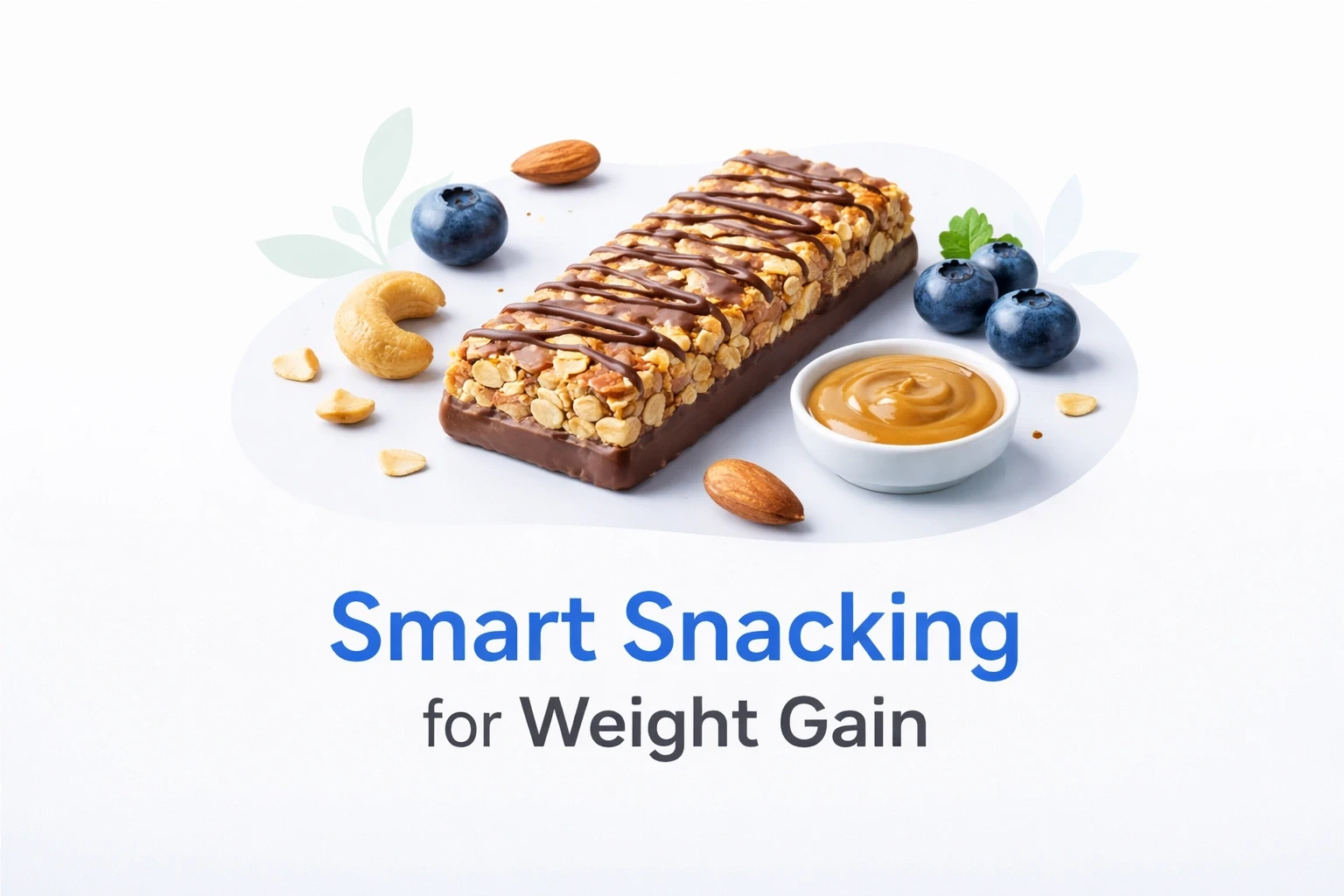
Smart Snacking Strategies for Healthy Weight Gain
Effective weight‑gain snack ideas that support digestion, avoid empty calories, and boost nutrient intake for sustainable muscle growth.
Team Vasundhara
|
HEALTH
DIET
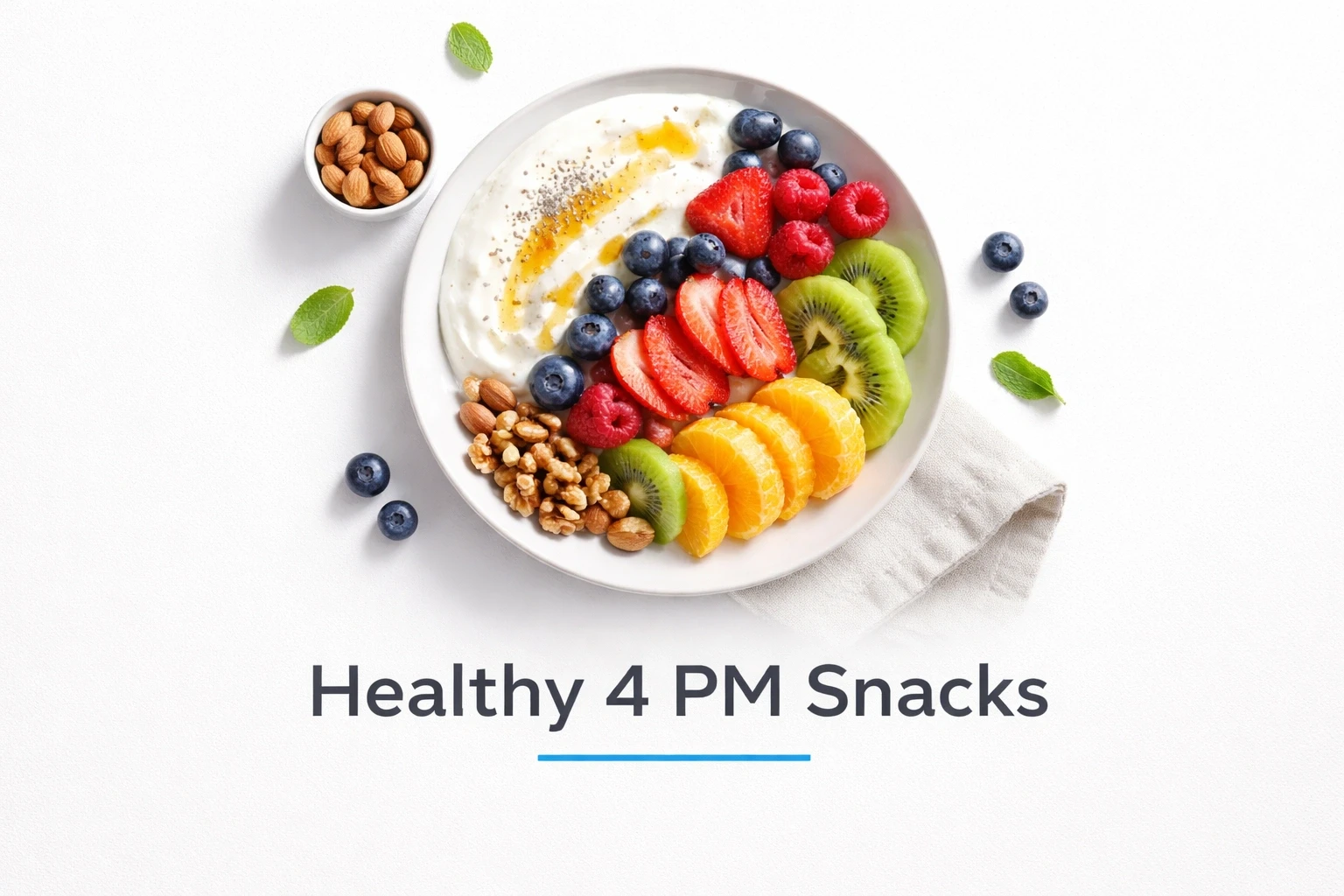
Healthy 4 PM Snacks to Avoid Evening Binges
Healthy 4 PM snack ideas to stabilize blood sugar, prevent evening binges, and support weight loss, PCOS, and metabolism with nutrient-dense options.
Team Vasundhara
|
HEALTH
DIET
The 30-40-30 Lunch Formula: Beat Afternoon Slumps
Discover the 30-40-30 lunch formula for sustained energy. Balance protein, veggies, and carbs to avoid afternoon crashes and boost productivity.
Team Vasundhara
|