HEALTH
DIET
The Science of Mid-Morning Snacks: Boost Metabolism & Energy
Vinamra
|
Share to
Discover why mid-morning snacks boost metabolism, balance hormones, and prevent overeating. Explore 10 healthy options for sustained energy.
Most people eat breakfast around 8 AM and lunch at 1 PM. That five-hour gap is a problem. By 10:30, your blood sugar drops, cortisol spikes, and your body starts hoarding calories instead of burning them. A mid-morning snack something small, around 100-150 calories tells your body food is available, keeping your metabolism running. For professionals using personalized nutrition principles, this isn't filler; it's strategy.
Why the timing matters
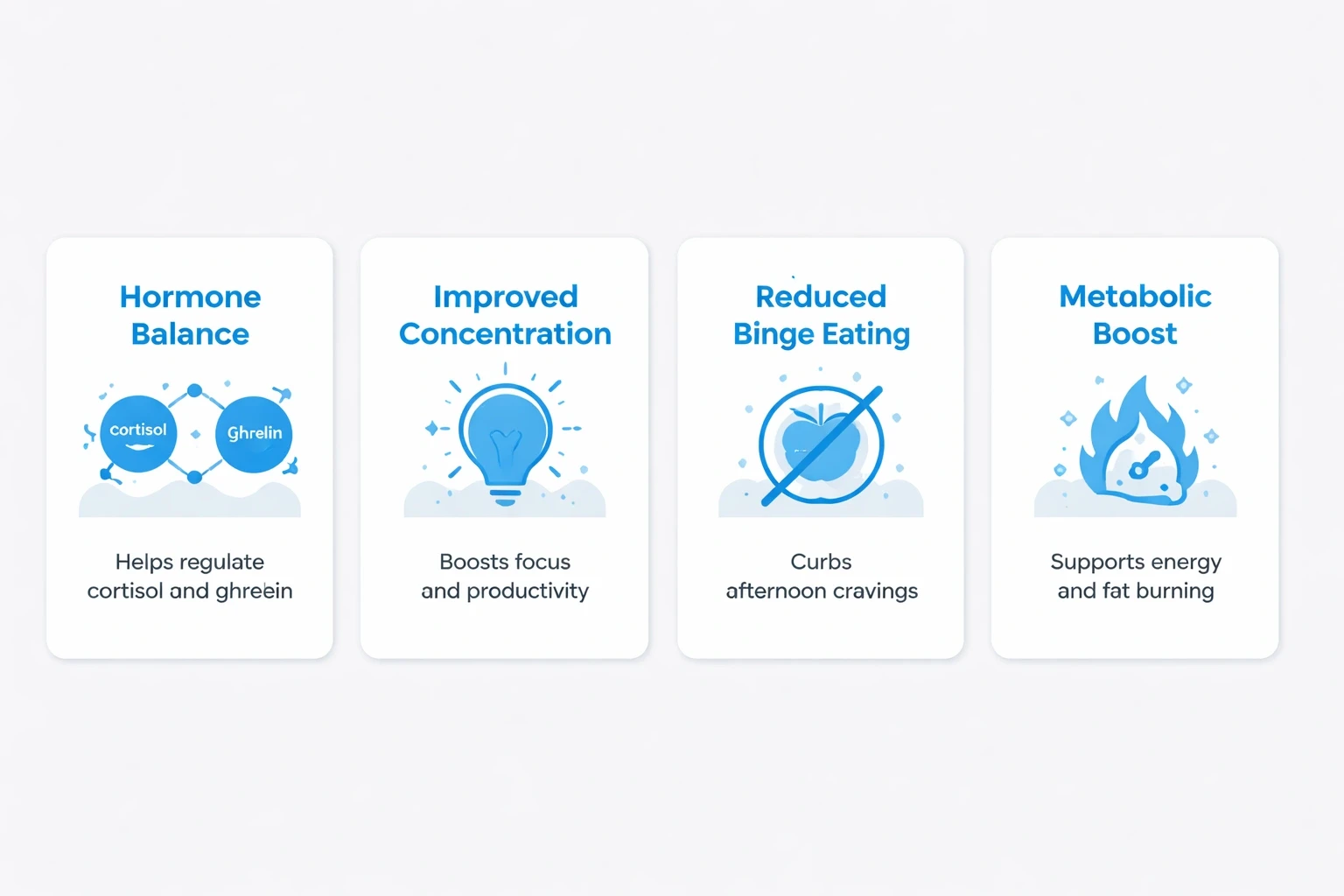
If you skip the morning snack, your body treats the long fast as a threat. A 2018 report from the Indian Dietetic Association found people who ate balanced mid-morning snacks reported 22% better concentration and 18% less binge eating at lunch. It’s not willpower. It’s preventing the hormonal chaos specifically the cortisol and ghrelin spikes that follows a blood sugar crash. This fits the body rhythm optimization approach, which is critical for those managing PCOS or thyroid issues.
10 solid options (with numbers)
Roasted makhana (fox nuts): 90 calories per 30g. High in magnesium and protein. Use black salt and turmeric. Low glycemic index, so no insulin spike.
Moong dal chilla: About 12g protein per serving. Soak the dal overnight, blend with ginger and chilies. The fermentation helps your gut key for metabolism health and the protein keeps you full for 3-4 hours.
Vegetable poha: 25g carbs, 5g protein, 4g fat. Rinse the flattened rice to remove starch, then sauté with mustard seeds, curry leaves, and turmeric. The resistant starch helps digestion.
Idli with sambar: Two small idlis and sambar is roughly 200 calories and 8g protein. Fermented foods give you better B-vitamin availability for cellular energy.
Roasted chana salad: Half a cup is 120 calories. Mix with chopped cucumber and tomato. The fiber extends satiety. Add lemon and chaat masala.
Sprout salad: Moong, chana, and matki beans give you about 10g protein plus vitamins C and K. Add onions, tomatoes, cilantro, lemon. The live enzymes help absorption a core idea in personalized nutrition.
Whole wheat dosa: Use 100% atta, no maida. Ferment overnight. Eat with coconut chutney for medium-chain fatty acids that support thyroid function.
Fruit and nuts: Apple slices with 10 almonds or papaya with walnuts. The nuts slow sugar absorption. Simple, but effective.
Besan ka chilla: Gram flour pancakes loaded with grated veggies. You get about 14g protein and prebiotic fiber. Good for weight management and gut health.
Dhokla: About 150 calories for two pieces. Fermented and steamed, so nutrients stay intact. Top with mustard tempering and coriander.
Timing and portions
Aim for 2.5 to 3 hours after breakfast. If you eat at 7:30 AM, snack around 10:30 AM. This follows your body's natural cortisol curve. Your circadian rhythm influences "nutrient partitioning" whether you store or burn calories. Morning calories are more likely used for energy.
Keep it between 100-180 calories. A common mistake is treating it like a second breakfast. It isn't. Visuals help: one small katori (bowl) for poha, one palm-sized chilla, or 20-25 makhana pieces.
If you're trying the lunch optimization approach 30% protein, 40% veg, 30% carbs the morning snack prevents you from arriving at lunch starving.
Where people mess up
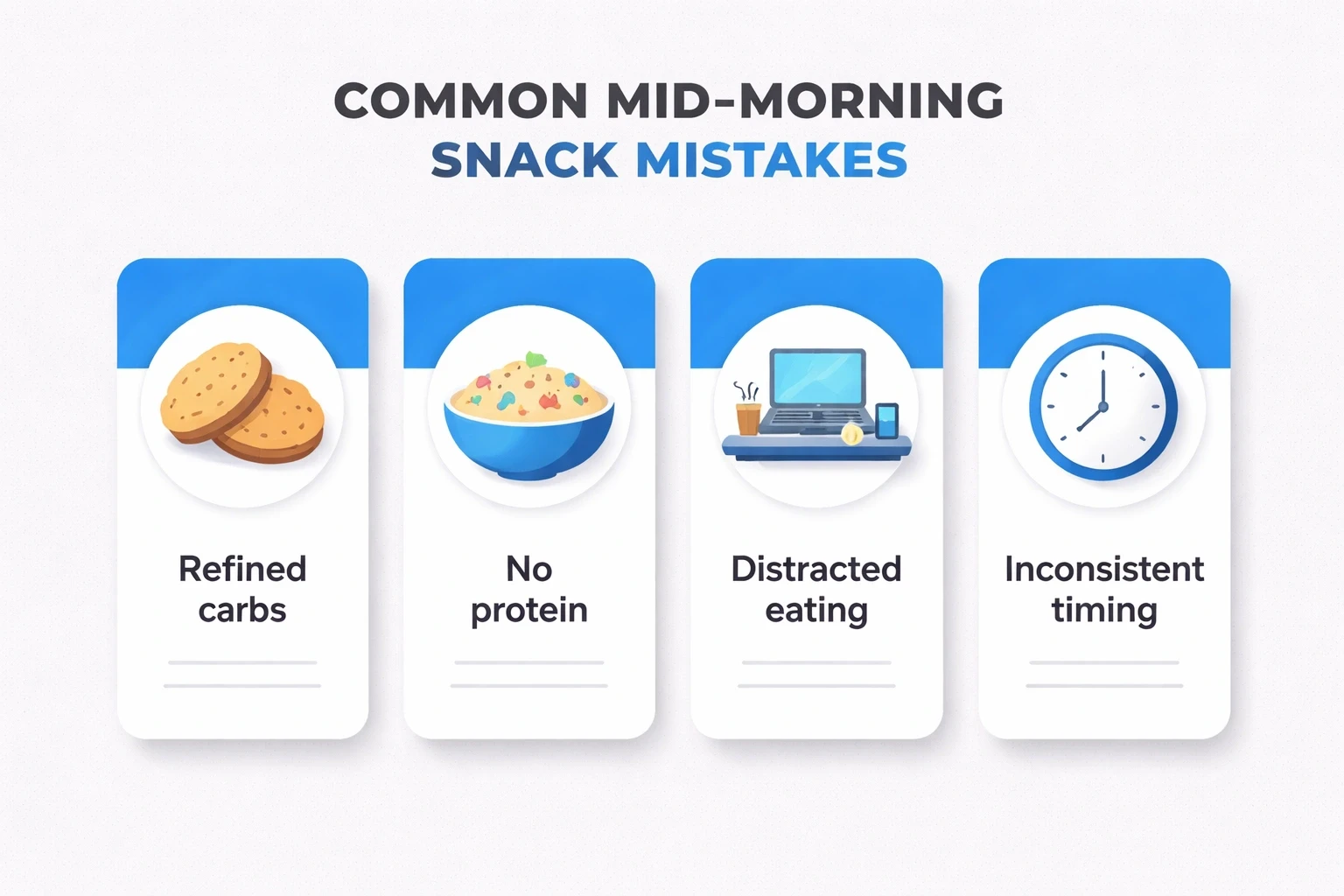
Refined carbs. Biscuits or packaged juices cause a glucose spike and crash. 6-8 Parle-G biscuits is 150-200 empty calories. You'll be hungry again in 90 minutes.
No protein. Plain upma or sweet poha lacks amino acids for satiety. Add paneer to upma or nuts to fruit.
Distracted eating. Munching at your desk reduces satiety signals. Take 5 minutes away from screens.
Inconsistent timing. Your metabolism likes predictability. If you snack at 10:30 one day and 12:00 the next, your body gets confused about fuel availability.
Customizing for your goals
Weight loss: High protein, high fiber, under 120 calories. Sprout salad or roasted chana with cucumber.
PCOS/Insulin resistance: Low-glycemic. Try besan chilla with flaxseed or apple with almond butter and cinnamon to modulate blood sugar.
Digestive issues: Fermented foods like idli, dhokla, or buttermilk with jeera. Avoid raw veggies if you have IBS.
Energy/Stamina: Balanced macros. Whole wheat dosa with coconut chutney or poha with peanuts. Active people can push to 180-200 calories.
Making it work when you're busy
Batch prep on weekends. Roast 2 cups of makhana or chana. Mix chilla batter and refrigerate for 3 days.
Keep emergency options in your desk: roasted nuts, homemade granola bars with dates, or shelf-stable buttermilk. Use the "5-minute rule" if it takes longer than that to prep, you probably won't do it. For those facing workplace snacking challenges, planning is what turns nutrition from a stressor into a routine.
The long game
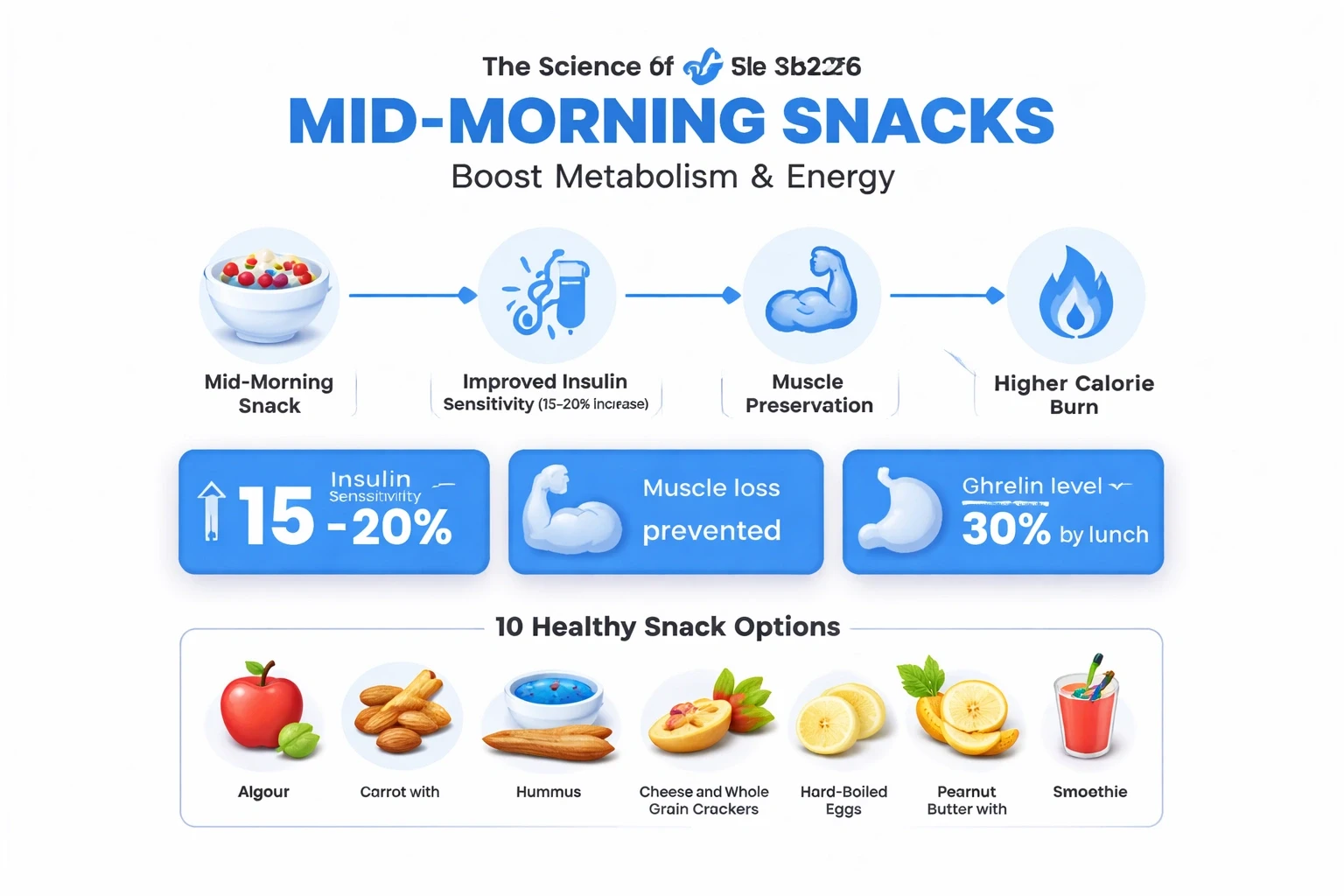
Regular mid-morning eating trains your metabolism. It improves insulin sensitivity by 15-20%. It prevents muscle loss that comes from fasting too long while awake. Since muscle burns more calories than fat, losing it slows your metabolism permanently.
It also regulates ghrelin and leptin. People who skip morning snacks see 30% higher ghrelin levels by lunch, driving overeating. Balanced snacking keeps these hormones in check, making sustainable weight loss possible without fighting your own biology.
Traditional wisdom was right
Indian dietary traditions always had "nashta." Ayurveda places 10-11 AM as Kapha time, ideal for lighter eating. Fermented foods like idli and dhokla support the gut microbiome in ways processed snacks don't. You aren't just feeding yourself; you're feeding the bacteria that determine your metabolic health.
Action plan
Start tomorrow. Add a 100-calorie protein-fiber snack at 10:30 AM. Note how you feel at lunch. Adjust based on your hunger 6/10 is the target. For specific conditions like PCOS, professional nutrition consultation can help.
You aren't adding calories. You are redistributing them. This shift makes food an ally rather than an enemy, supporting long-term wellness without the willpower battle. Start simple, stay consistent, and let your body's response guide you.
More Blog Post
HEALTH
DIET
Why Generic Diets Fail: Personalized Nutrition Tips for Your Body
Discover why generic diets fail and how personalized nutrition can fix fatigue, gut issues, weight plateaus, and hormone imbalances.
Team Vasundhara
|
HEALTH
DIET
Sustainable Weight Loss: Avoid Crash Diets & Fix Your Metabolism
Crash diets fail. Learn sustainable weight loss tips to fix metabolism, eat real food, and build healthy habits for lasting results.
Team Vasundhara
|
HEALTH
DIET
What Makes Food 'Light' and How to Eat Lightly for Better Health
Discover what makes food 'light' and how to eat lightly for better digestion, energy, and overall health without restriction. Learn about nutrtion and diet
Team Vasundhara
|

HEALTH
DIET
Low-Calorie Dinner Ideas for Better Sleep & Energy
Discover low-calorie dinner recipes that boost sleep, reduce blood sugar spikes, and keep you energized. Nutrient-dense, satisfying meals under 450 calories. Read more.
Team Vasundhara
|

HEALTH
DIET
Optimize Meals with Body Rhythm: Personalized Nutrition Guide
Align meals with your body’s rhythm to boost digestion, energy, and weight loss. Get personalized nutrition tips for lasting health.
Team Vasundhara
|
HEALTH
DIET
Healthy Workplace Snacks to Avoid the 3 PM Crash | Vasundhara
Protein‑rich, nutrient‑dense snacks to keep you energized all day and prevent the 3 PM crash. Smart office snacking. #HealthyWorkplace #WeightLoss
Team Vasundhara
|

HEALTH
DIET
Smart Evening Snacks: Fuel Your Body, Not Your Cravings
Learn why you get hungry at night, how smart snacks prevent overeating, boost sleep, and aid sustainable weight loss.
Team Vasundhara
|
HEALTH
DIET
Beat the 4 PM Slump with Healthy Snacks | Metabolism Health
Beat the 4 PM slump with smart snacks. Protein, fiber & healthy fats keep you full, avoid crashes. Sustainable weight loss starts now.
Team Vasundhara
|
HEALTH
DIET
Lunch Fix: 30% Protein, 40% Veggies, 30% Carbs for Weight Loss
Discover the 30% protein, 40% veggies, 30% carbs lunch formula to stabilize blood sugar and avoid cravings. Simple, effective, and easy to prepare.
Team Vasundhara
|
HEALTH
DIET
The Science of Mid-Morning Snacks: Boost Metabolism & Energy
Discover why mid-morning snacks boost metabolism, balance hormones, and prevent overeating. Explore 10 healthy options for sustained energy.
Team Vasundhara
|
HEALTH
DIET
Healthy Office Lunch Ideas: 30-40-30 Formula for Energy
Pack a nutritious office lunch using the 30-40-30 formula. Stay full, avoid crashes, and boost productivity with simple lunch box tips.
Team Vasundhara
|
HEALTH
DIET
Smart Snacking Strategies for Healthy Weight Gain
Effective weight‑gain snack ideas that support digestion, avoid empty calories, and boost nutrient intake for sustainable muscle growth.
Team Vasundhara
|
HEALTH
DIET
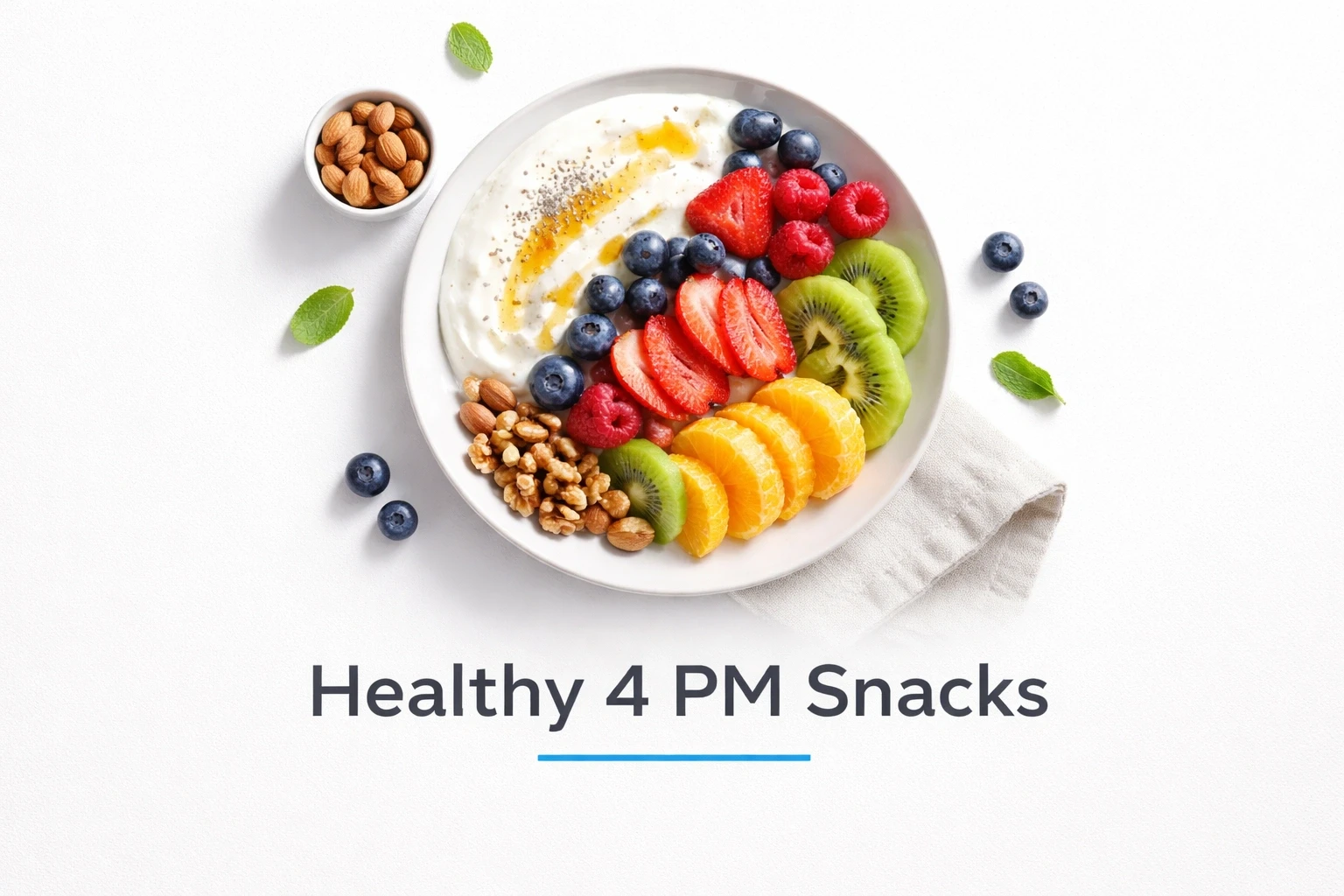
Healthy 4 PM Snacks to Avoid Evening Binges
Healthy 4 PM snack ideas to stabilize blood sugar, prevent evening binges, and support weight loss, PCOS, and metabolism with nutrient-dense options.
Team Vasundhara
|
HEALTH
DIET
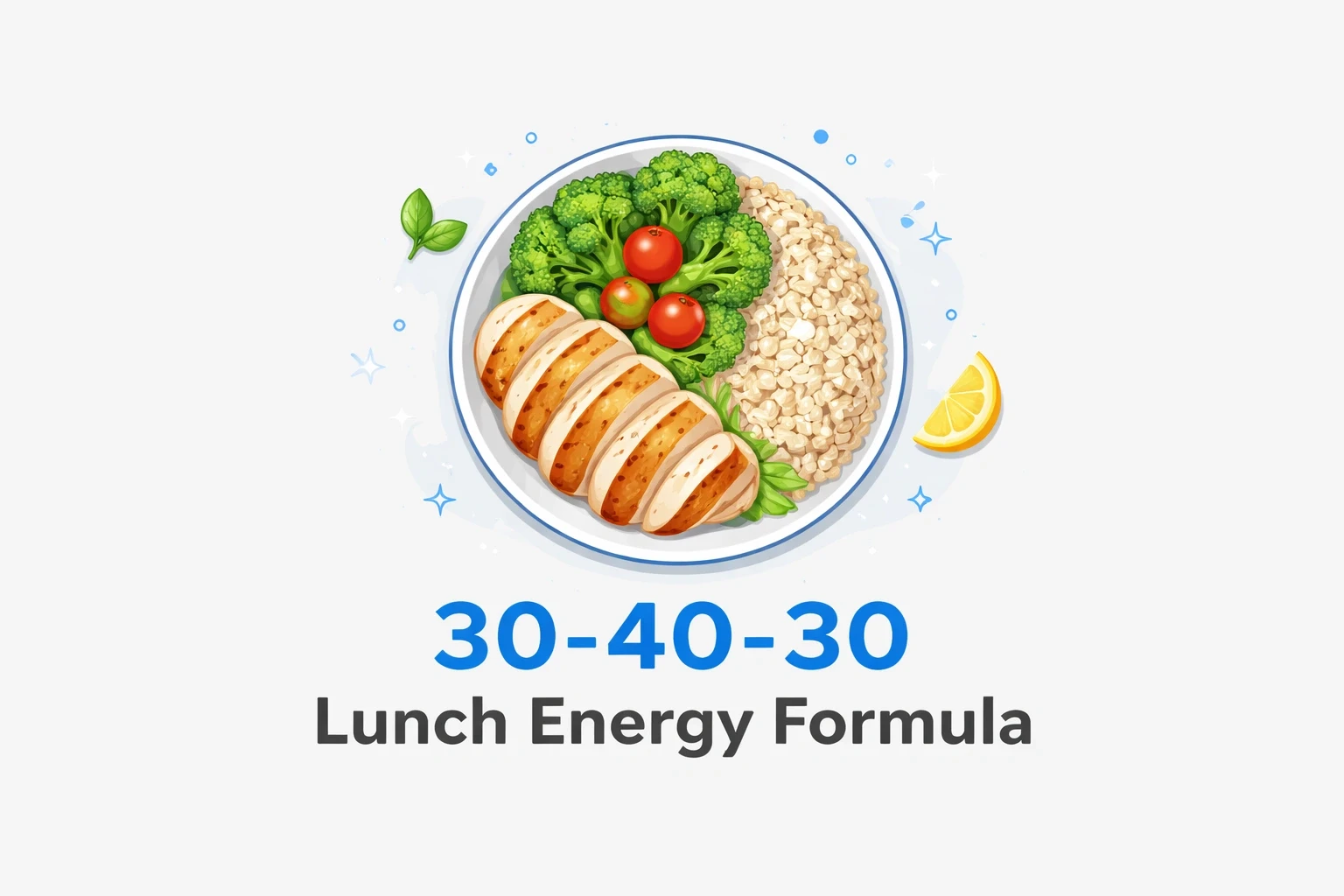
The 30-40-30 Lunch Formula: Beat Afternoon Slumps
Discover the 30-40-30 lunch formula for sustained energy. Balance protein, veggies, and carbs to avoid afternoon crashes and boost productivity.
Team Vasundhara
|