HEALTH
DIET
Milk & PCOS: How Dairy Impacts Hormones & Insulin Resistance

Team Vasundhara
|
Share to
Discover dairy's impact on PCOS, insulin resistance, hormones. Compare A1 vs A2 milk, fermented benefits, and personalized PCOS solutions.
Milk and PCOS have a complicated relationship. For some women, dairy makes symptoms worse because it spikes insulin and messes with hormones. For others, a bit of full-fat, organic A2 milk is totally fine. Some feel best avoiding it entirely or switching to plant milks, depending on where their insulin resistance sits.
There is a lot of conflicting advice out there about dairy and PCOS. Your morning latte or bedtime turmeric milk might be totally fine for you, or it might be quietly working against you. It depends on how your body handles insulin, how much inflammation you're dealing with, and the type of milk you're drinking.
The insulin-PCOS connection
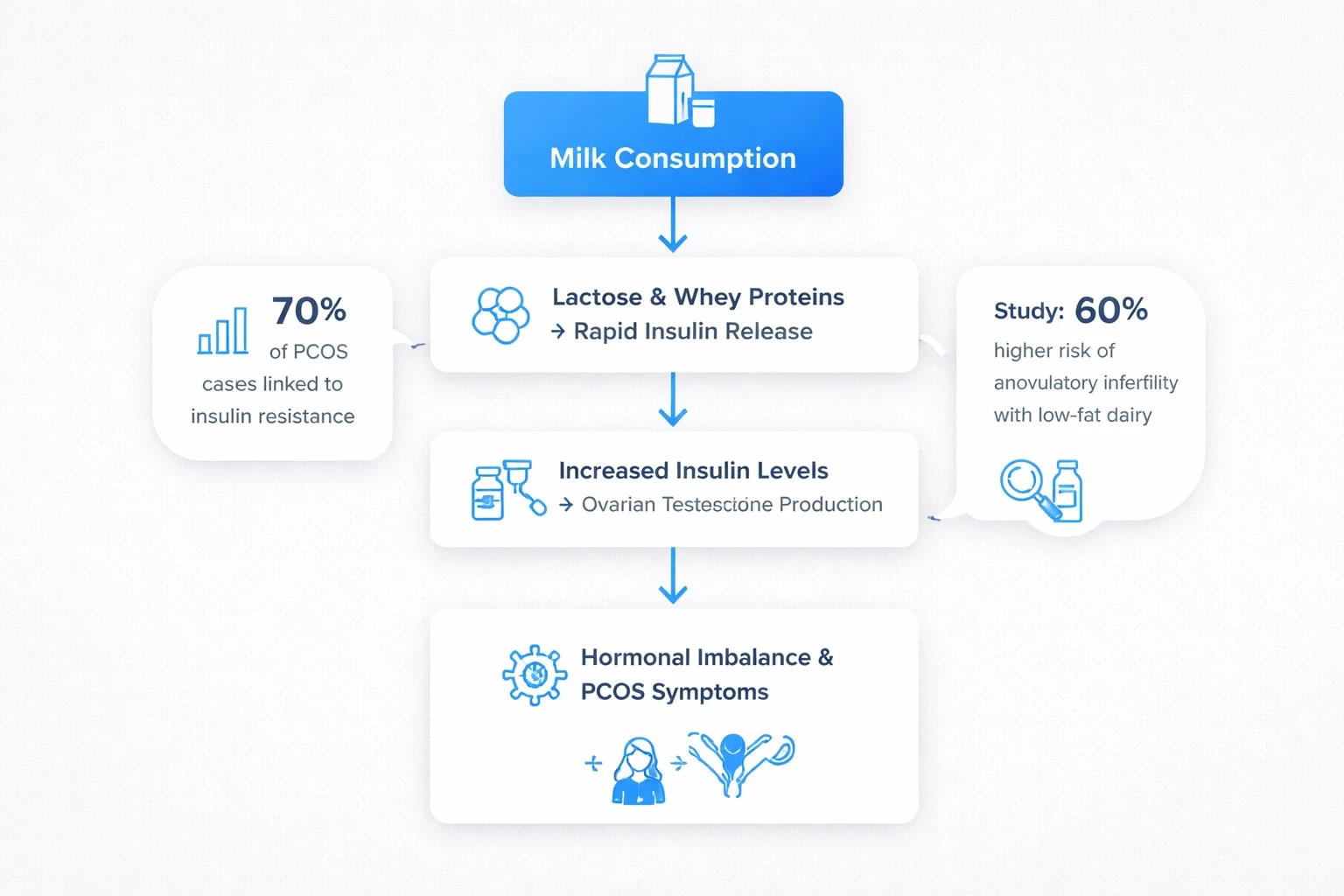
PCOS is primarily a metabolic disorder, and insulin resistance drives about 70% of cases. Milk has lactose (a sugar) and whey proteins that cause a fast insulin release, sometimes 3-6 times higher than you'd get from the same amount of calories in complex carbs. That insulin spike tells your ovaries to make more testosterone, which makes the hormonal imbalance worse.
A 2018 study tracking 18,000 women found that those having two or more servings of low-fat dairy daily had a 60% higher risk of anovulatory infertility compared to those who avoided it. The weird part? Taking the fat out of milk concentrates the proteins that provoke insulin, while getting rid of the conjugated linoleic acid (CLA) that helps regulate blood sugar.
How milk affects you really depends on your insulin sensitivity. If you get post-meal crashes, brain fog, or carry weight around your midsection, milk is probably making your insulin resistance worse, not helping.
A1 vs A2 protein
Regular cow's milk has A1 beta-casein protein, which breaks down into beta-casomorphin-7 (BCM-7). BCM-7 is an opioid-like compound that triggers inflammation and gut permeability. This is relevant for PCOS because when your gut is "leaky," bacterial toxins get into your bloodstream, triggering immune responses that can worsen insulin resistance by up to 30%.
A2 milk, which comes from specific cow breeds, only has A2 beta-casein and doesn't form BCM-7. Clinical trials show A2 milk causes much less digestive inflammation and doesn't raise inflammatory markers like C-reactive protein in sensitive people. If you already have chronic low-grade inflammation from PCOS, this difference matters.
Buffalo milk naturally has only A2 protein and gives you 50% more calcium than cow's milk, but it's higher in fat so you have to watch your portions. A 100ml serving is about 100 calories, compared to 64 in cow's milk.
Why full-fat might be better
The advice to choose low-fat dairy for weight management backfires for PCOS. Full-fat dairy keeps you full, which prevents the blood sugar crashes that lead to cravings. The fat also slows down digestion, blunting the insulin spike by 25-35% compared to skim milk.
A 2016 Harvard study following 18,555 women found that those who ate full-fat dairy had a 27% lower risk of ovulatory infertility than those who ate low-fat dairy. The fat contains fat-soluble vitamins (A, D, E, K) and cholesterol, which your body needs for reproductive function. When you remove the fat, you lose those benefits and concentrate the problematic whey proteins.
If you drink milk, a good approach is 100ml of full-fat (preferably A2) consumed with fiber or protein. Have it with soaked almonds or chia seeds, or use it in vegetable dishes instead of drinking it by the glass. This keeps your insulin stable while still getting the nutritional benefits.
Fermented dairy
Fermented dairy like unsweetened yogurt, kefir, and buttermilk goes through bacterial conversion that cuts lactose by 30-50% while boosting bioavailable protein and probiotics. Fermentation actually creates compounds that improve insulin sensitivity.
Greek yogurt has almost double the protein of regular yogurt with less lactose, so it keeps you full without spiking your blood sugar. The probiotics (Lactobacillus and Bifidobacterium) change your gut bacteria composition, and emerging research links gut health to PCOS severity. Women with PCOS tend to have different gut microbiomes than healthy controls, with lower bacterial diversity tied to worse metabolic markers.
Homemade yogurt fermented for 12-24 hours gets rid of almost all the lactose while maxing out probiotics. Commercial brands often hide sugar, so check labels for anything ending in "-ose" and avoid anything with more than 6g of sugar per 100ml. A standard serving is about 150ml of unsweetened yogurt with cinnamon (which helps insulin sensitivity) and 10-12 berries.
Plant milks
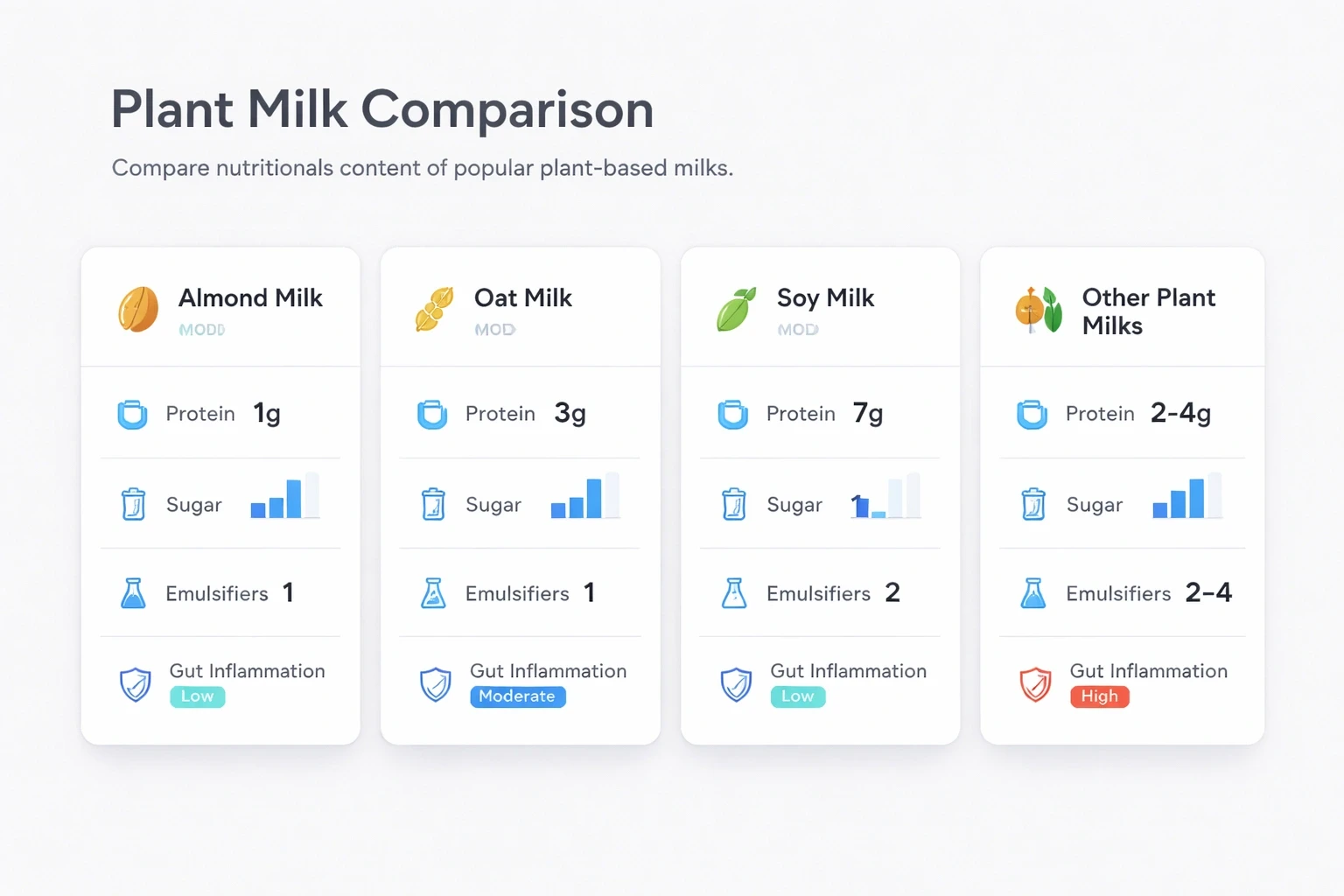
Switching to plant milk doesn't automatically fix PCOS issues. Most commercial almond, oat, and soy milks have emulsifiers, thickeners, and added sugars that spike blood glucose faster than whole milk. Carrageenan, a common stabilizer, triggers gut inflammation much like A1 casein.
Unsweetened almond milk is only 30-40 calories per 240ml and barely affects blood sugar, but it has almost no protein (1 gram vs milk's 8 grams). That low protein means it won't keep you full, which can cause blood sugar instability if you drink it without a protein source. Fortified versions have calcium, but it's harder to absorb without milk's natural vitamin D and lactose (which, ironically, helps you absorb calcium).
Soy milk is a special case for PCOS. Its isoflavones are weak phytoestrogens that might help some women by blocking stronger estrogens, but eating too much might affect thyroid function. If you drink soy milk, stick to one 200ml serving a day and choose organic, non-GMO. Soy has 7 grams of protein per cup and a complete amino acid profile, making it the closest plant match to dairy nutritionally.
Carton coconut milk (not canned) has medium-chain triglycerides that support hormone production but almost no protein. It's better for cooking than as a main milk substitute. The best approach is mixing it up based on the meal: almond milk in smoothies with protein powder, soy milk in coffee for sustained energy, coconut milk in curries for flavor and fats.
Timing matters
When you drink milk matters just as much as what kind you drink. Morning is when your body is most insulin sensitive, so you handle glucose better with less hormonal disruption. Having dairy in the evening, especially on its own, can mess with sleep quality because casein has mild opioid effects and can cause blood sugar fluctuations overnight.
Right after a workout is the best time for dairy if you tolerate it. Exercise boosts insulin sensitivity for 2-4 hours, so that same 200ml of milk produces a 40% lower insulin response than it would if you were sitting on the couch. This timing takes advantage of your muscles taking up glucose while giving you recovery protein.
Try to avoid milk within two hours of bedtime. The insulin response, even from full-fat milk, can interfere with growth hormone release, which peaks during deep sleep. This matters for PCOS because women with PCOS already tend to have disrupted sleep and less slow-wave sleep. Better evening options are warm almond milk with turmeric or chamomile tea with a little ghee.
Inflammation and elimination testing
Dairy proteins trigger inflammatory responses in about 60% of people, though reactions range from obvious stomach issues to subtle whole-body inflammation. This is huge for PCOS because chronic inflammation drives insulin resistance, messes with ovulation, and worsens androgen excess.
To figure out if dairy bothers you, you have to cut it out completely for at least 21 days. Not less milk, zero milk, including butter, ghee, cheese, and hidden dairy in processed foods. This gives your immunoglobulin G (IgG) antibody levels time to drop and inflammatory markers to normalize. On day 22, reintroduce it and see what happens: bloating, mood changes, energy drops, acne, or menstrual changes within 48-72 hours means dairy is a problem for you.
Some women find they can handle fermented dairy but not fresh milk, or buffalo milk but not cow's milk. This is why blanket recommendations don't work. Your inflammatory response depends on your gut health, food sensitivities, stress, and genetics.
Making substitutions work
If you cut out milk, you have to replace the calcium, protein, vitamin D, and B12 to keep your hormones balanced. Getting less than 1000mg of calcium daily is linked to worse PMS and irregular cycles. If you just drop dairy without planning, you can create nutritional gaps that make PCOS worse.
Good calcium sources include sardines (325mg per 100g), sesame seeds (975mg per 100g), amaranth leaves (400mg per 100g), and dried figs (162mg per 100g). For vitamin D, you need 15-20 minutes of midday sun on your forearms and face without sunscreen, or 2000-4000 IU daily in a supplement, since plant sources don't give you much. B12 only comes from animal products, so you need a supplement if you're dropping dairy and not eating more eggs, fish, or meat.
For protein, aim for 20-30 grams per meal from moong dal, chickpeas, quinoa, eggs, fish, or chicken. This keeps blood sugar stable and gives you amino acids for neurotransmitters that regulate mood, sleep, and appetite, which PCOS often messes with. A practical setup is protein-rich dal with vegetables for lunch, fish with brown rice for dinner, and eggs for breakfast for sustained energy without insulin spikes.
Hidden dairy sources
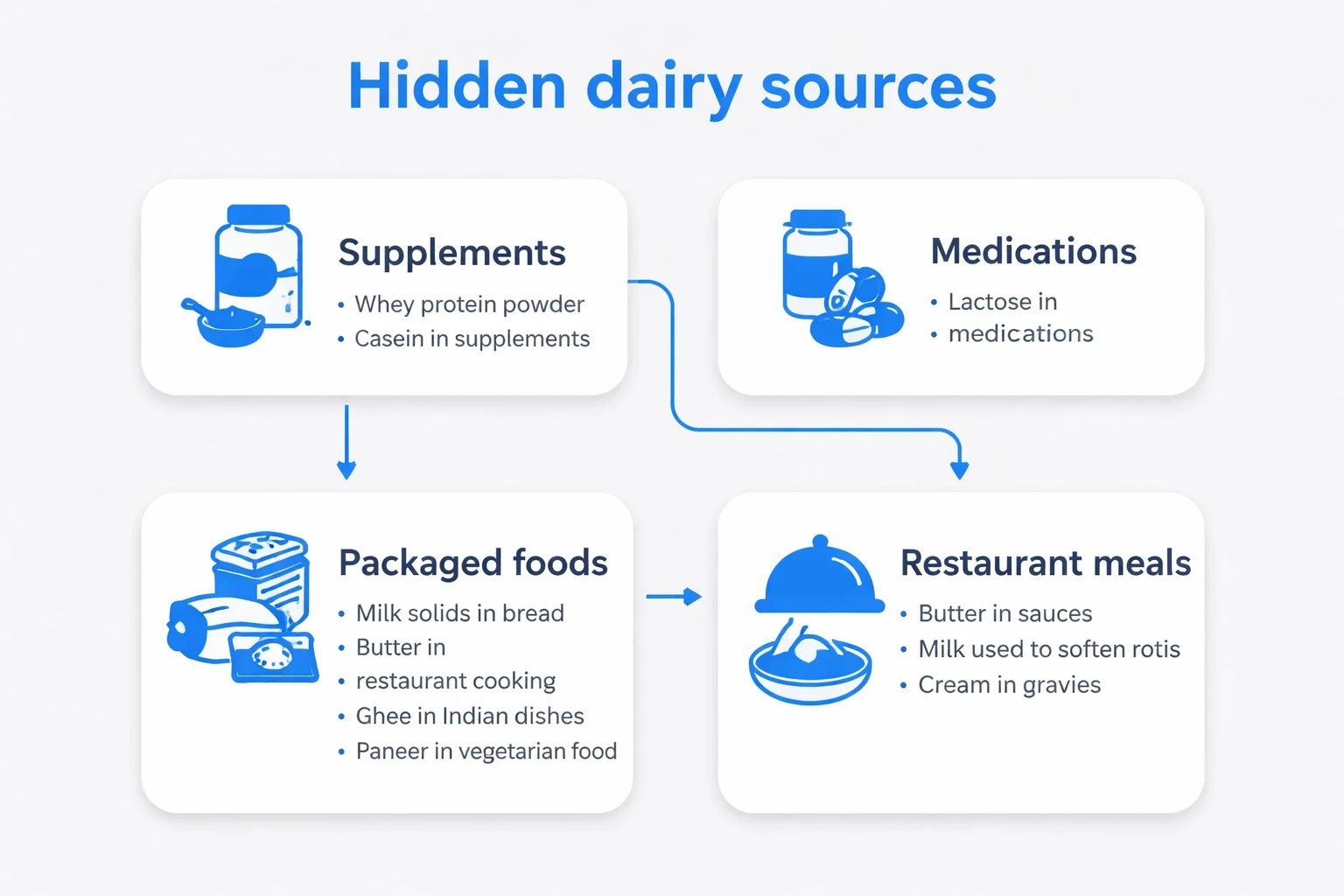
Cutting out dairy means watching for the sneaky stuff. Whey protein powder, casein in supplements, lactose in medications, milk solids in bread, butter in restaurant cooking, ghee in Indian dishes, paneer in vegetarian food. These can ruin your elimination trial.
Read every packaged food label for milk derivatives: whey, casein, lactalbumin, lactose, milk solids, milk powder, curds, yogurt powder. Restaurant meals are the hardest part. Butter is in most sauces, milk is often used to soften rotis, and cream is in gravies even if it's not listed. When you order, say "no dairy, no butter, no ghee, no cream" and accept that some things are just off-limits during the test.
If you follow the PCOD Diet Chart: Insulin-Stable Meals & Hormone Balance approach, swapping dairy means paying close attention to meal timing and macros. Your breakfast protein might shift from yogurt to moong dal cheela, your mid-morning snack from milk to roasted chickpeas, and your evening food from paneer to tofu or tempeh with anti-inflammatory spices.
Personalization is everything
Generic diet advice fails because PCOS shows up differently in four phenotypes: insulin-resistant, inflammatory, post-pill, and adrenal. Your milk tolerance depends on which one you have. Insulin-resistant PCOS reacts worst to dairy, while inflammatory types might handle small amounts of A2 or fermented dairy if they fix their gut health first.
To test your response, reintroduce dairy slowly after an elimination. Start with fermented dairy (yogurt) since it's usually easiest to handle. Have 100ml mid-morning with fiber-rich foods. Watch your energy, bloating, mood, skin, and menstrual cycle for two weeks. If you feel fine, try 100ml of A2 full-fat milk daily for another two weeks. If you react to either, you're better off avoiding dairy.
This is how you figure out what works for you, rather than listening to influencers or generic protocols. Women who manage PCOS fine without cutting dairy don't prove dairy is safe for you. They just prove everyone is different. Same goes for women who feel amazing after cutting it out.
Understanding your body connects to the personalized nutrition principles that actually get results. What works for your coworker or sister might completely derail your progress. You have to honestly assess your symptoms, test systematically, and be willing to accept conclusions that go against popular opinion.
A 4-week testing protocol
Weeks 1-3: Cut all dairy. This means milk, yogurt, cheese, butter, ghee, paneer, cream, plus the hidden stuff like whey protein, casein supplements, chocolate, baked goods, protein bars, and most restaurant food. Get calcium from leafy greens, sesame seeds, sardines, and fortified plant milks. Get protein from eggs, fish, legumes, and chicken. Take a B12 supplement if you aren't eating animal products.
Track your symptoms every day: energy (1-10), digestion, skin, mood, sugar cravings, sleep, and menstrual symptoms. You think you'll remember, but you won't. Take weekly skin photos, because acne changes are concrete proof of what's happening.
Week 4: Bring back fermented dairy first. Have 150ml of unsweetened yogurt or kefir with breakfast on Day 22. Keep tracking through Day 28, watching for delayed reactions. If you feel fine, try 100ml of A2 full-fat milk on Day 29 and monitor through Day 35. If any symptoms come back, bloating, energy crashes, mood issues, skin changes, or menstrual irregularities, dairy is contributing to your PCOS and you should probably avoid it.
This gives you a real answer. Some women find they can't tolerate dairy at all. Others figure out they can eat specific types (fermented only, A2 only, buffalo milk only) in small amounts. A third group handles conventional dairy just fine, so cutting it out would just be an unnecessary hassle.
The bigger picture
Whether you cut dairy completely, eat it strategically, or keep it in your diet, milk is just one part of managing PCOS. Your overall approach to sustainable weight loss matters more than any single food. Crash diets and extreme restrictions slow your metabolism and worsen insulin resistance, while balanced, nutrient-dense eating helps your hormones function.
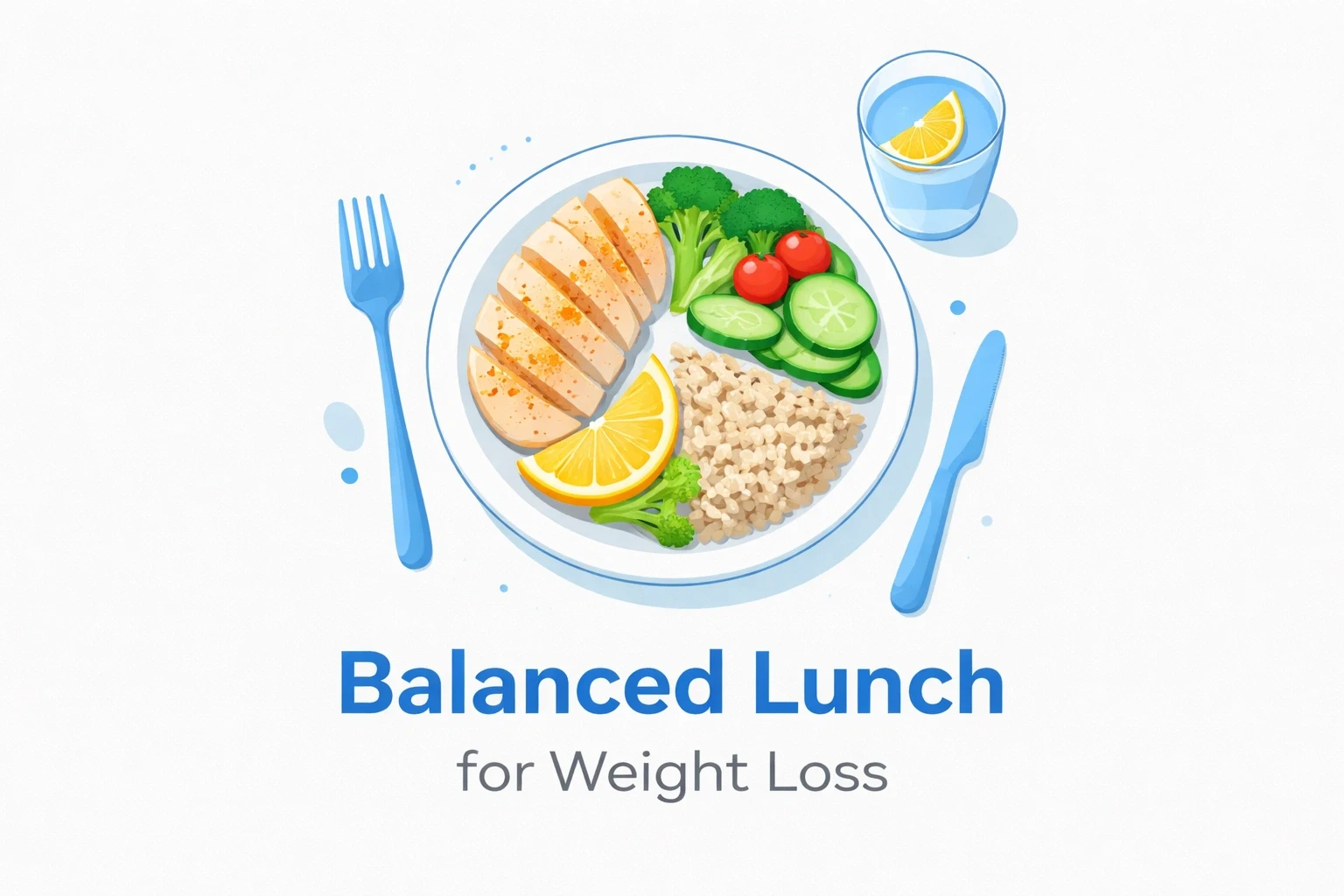
The 30-40-30 lunch formula keeps blood sugar stable regardless of whether you eat dairy. That's 30% protein, 40% vegetables, 30% complex carbs. This prevents the afternoon crashes that make you crave sugar. Your protein can be paneer if you tolerate dairy, or chicken, fish, tofu, or legumes if you don't.
Smart snacking stops the blood sugar rollercoaster that makes PCOS worse. Healthy workplace snacks are key, whether that's yogurt with nuts, roasted chickpeas, or hummus with veggies. The goal is consistent meal timing, balanced macros, and avoiding long gaps between meals that stress your body and worsen insulin resistance.
Managing PCOS means dealing with sleep, stress, exercise, meal timing, and food quality all at once. Milk is just one decision in that mix. It matters, but it's not the only thing that determines your outcomes.
Making your decision
Your choice about milk should come from honest symptom tracking, a real elimination test, and looking at your whole health picture, including medications, supplements, stress, and diet. If you're dealing with high testosterone, stubborn acne, or irregular cycles even after fixing other parts of your diet, cutting dairy is a logical next step.
If you have PCOS and a thyroid condition, be extra careful, since both involve inflammation that dairy might make worse. These hormonal systems are connected, so what you eat affects your thyroid medication absorption, cortisol, blood sugar, and sex hormones.
Getting professional help is a good idea, especially if you have multiple conditions. A qualified nutritionist can look at your lab work, connect your symptoms to specific metabolic pathways, and design a test to find your best approach. They can tell you if dairy helps or hurts your specific PCOS.
Keep in mind that eating lightly doesn't mean eating less. It means eating foods that give you energy instead of making you feel sluggish. For some, that includes some well-tolerated dairy. For others, cutting it out completely is what finally gives them energy. Only a real test will tell you which one you are.
What works for someone else might not work for you. Generic advice is a starting point, not a final answer. Pay attention to your body, track your responses, and build your own nutrition plan through observation instead of blindly following trends.
More Blog Post
HEALTH
DIET
Why Generic Diets Fail: Personalized Nutrition Tips for Your Body
Discover why generic diets fail and how personalized nutrition can fix fatigue, gut issues, weight plateaus, and hormone imbalances.
Team Vasundhara
|
HEALTH
DIET
Sustainable Weight Loss: Avoid Crash Diets & Fix Your Metabolism
Crash diets fail. Learn sustainable weight loss tips to fix metabolism, eat real food, and build healthy habits for lasting results.
Team Vasundhara
|
HEALTH
DIET
What Makes Food 'Light' and How to Eat Lightly for Better Health
Discover what makes food 'light' and how to eat lightly for better digestion, energy, and overall health without restriction. Learn about nutrtion and diet
Team Vasundhara
|

HEALTH
DIET
Low-Calorie Dinner Ideas for Better Sleep & Energy
Discover low-calorie dinner recipes that boost sleep, reduce blood sugar spikes, and keep you energized. Nutrient-dense, satisfying meals under 450 calories. Read more.
Team Vasundhara
|

HEALTH
DIET
Optimize Meals with Body Rhythm: Personalized Nutrition Guide
Align meals with your body’s rhythm to boost digestion, energy, and weight loss. Get personalized nutrition tips for lasting health.
Team Vasundhara
|
HEALTH
DIET
Healthy Workplace Snacks to Avoid the 3 PM Crash | Vasundhara
Protein‑rich, nutrient‑dense snacks to keep you energized all day and prevent the 3 PM crash. Smart office snacking. #HealthyWorkplace #WeightLoss
Team Vasundhara
|
HEALTH
DIET
Smart Evening Snacks: Fuel Your Body, Not Your Cravings
Learn why you get hungry at night, how smart snacks prevent overeating, boost sleep, and aid sustainable weight loss.
Team Vasundhara
|
HEALTH
DIET
Beat the 4 PM Slump with Healthy Snacks | Metabolism Health
Beat the 4 PM slump with smart snacks. Protein, fiber & healthy fats keep you full, avoid crashes. Sustainable weight loss starts now.
Team Vasundhara
|
HEALTH
DIET
Lunch Fix: 30% Protein, 40% Veggies, 30% Carbs for Weight Loss
Discover the 30% protein, 40% veggies, 30% carbs lunch formula to stabilize blood sugar and avoid cravings. Simple, effective, and easy to prepare.
Team Vasundhara
|
HEALTH
DIET
The Science of Mid-Morning Snacks: Boost Metabolism & Energy
Discover why mid-morning snacks boost metabolism, balance hormones, and prevent overeating. Explore 10 healthy options for sustained energy.
Team Vasundhara
|
HEALTH
DIET
Healthy Office Lunch Ideas: 30-40-30 Formula for Energy
Pack a nutritious office lunch using the 30-40-30 formula. Stay full, avoid crashes, and boost productivity with simple lunch box tips.
Team Vasundhara
|
HEALTH
DIET
Smart Snacking Strategies for Healthy Weight Gain
Effective weight‑gain snack ideas that support digestion, avoid empty calories, and boost nutrient intake for sustainable muscle growth.
Team Vasundhara
|
HEALTH
DIET
Healthy 4 PM Snacks to Avoid Evening Binges
Healthy 4 PM snack ideas to stabilize blood sugar, prevent evening binges, and support weight loss, PCOS, and metabolism with nutrient-dense options.
Team Vasundhara
|
HEALTH
DIET
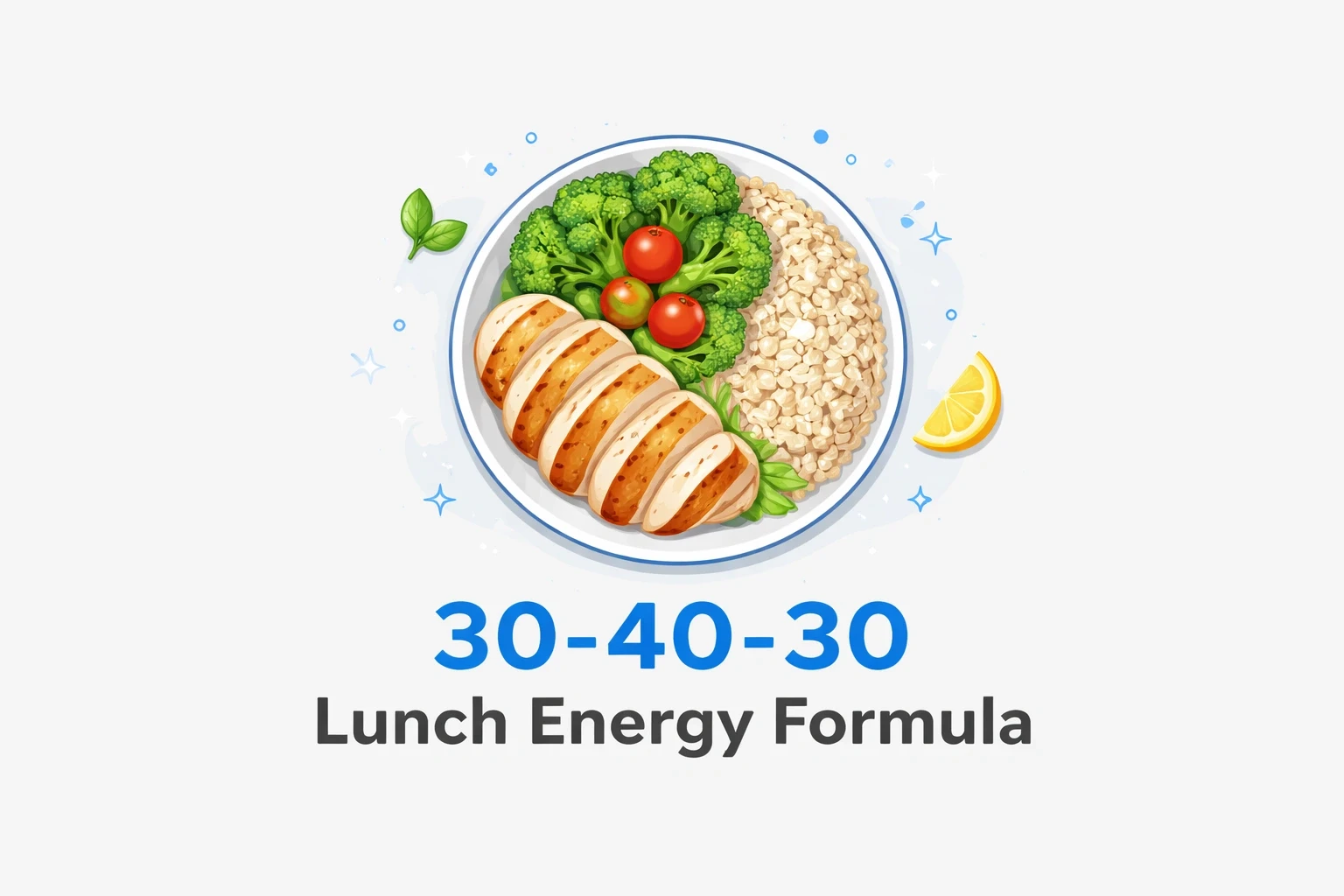
The 30-40-30 Lunch Formula: Beat Afternoon Slumps
Discover the 30-40-30 lunch formula for sustained energy. Balance protein, veggies, and carbs to avoid afternoon crashes and boost productivity.
Team Vasundhara
|

HEALTH
DIET
Healthy Hot Snacks: Beat the 3 PM Slump Without Crashing
Satisfy your 3 PM hunger with hot, nutrient-rich snacks that boost metabolism and avoid blood sugar crashes. Discover quick, healthy options here.
Team Vasundhara
|

HEALTH
DIET
30-40-30 Lunch Formula: Beat Afternoon Slumps with Healthy Meals
15 healthy lunch recipes using the 30-40-30 macro formula (protein, veg, carbs) for energy boost, meal prep tips, and portion control.
Team Vasundhara
|

HEALTH
DIET
Healthy Snack Recipes: Homemade Alternatives to Processed Foods
Discover healthy, homemade snack recipes that beat processed snacks. Get sustained energy with fresh, nutrient-packed options.
Team Vasundhara
|
HEALTH
DIET
7 Fertility-Boosting Foods for Optimal Reproductive Health
Explore 7 nutrient-rich foods that aid hormonal balance, egg quality & reproductive health—like fatty fish and leafy greens—to boost fertility.
Team Vasundhara
|
HEALTH
DIET
PCOS & Thyroid Diet Chart: Balanced Eating for Hormonal Health
PCOS & thyroid diet chart balances insulin, hormones, and metabolism for stable blood sugar, thyroid support, and sustainable weight loss.
Team Vasundhara
|
HEALTH
DIET
PCOS-Friendly Fruits: What to Eat & Avoid
Manage PCOS symptoms with the right fruit choices. Learn which fruits to eat and avoid for hormonal balance and insulin resistance.
Team Vasundhara
|
HEALTH
DIET
Managing High Testosterone: Diet Tips for Women
Diet tips to lower high testosterone in women: spearmint, flaxseeds, green tea and other anti‑androgen foods for natural hormonal balance.
Team Vasundhara
|
HEALTH
DIET
Dates & PCOS: Sugar‑Sweetened Fruits Impact Insulin Resistance
Dates high in sugar can spike insulin and worsen PCOS. Pair with protein to improve blood sugar control and hormone balance.
Team Vasundhara
|

HEALTH
DIET
PCOD Diet Chart: Insulin-Stable Meals & Hormone Balance
Structured PCOD diet chart with low‑glycemic meals, lean protein, anti‑inflammatory fats to stabilize insulin and balance hormones.
Team Vasundhara
|
HEALTH
DIET
Milk & PCOS: How Dairy Impacts Hormones & Insulin Resistance
Discover dairy's impact on PCOS, insulin resistance, hormones. Compare A1 vs A2 milk, fermented benefits, and personalized PCOS solutions.
Team Vasundhara
|
HEALTH
DIET
PCOS Indian Diet: Hormonal Balance with Heritage Foods
Traditional Indian foods like bajra roti & paneer help PCOS: balance insulin, lower androgens, thrive on a heritage diet.
Team Vasundhara
|

HEALTH
DIET
Best Morning Drink for PCOS: Fenugreek or Jeera Water
Warm water with soaked fenugreek or jeera‑methi seeds: top PCOS morning drink, stabilizes sugar, reduces bloating, boosts insulin sensitivity.
Team Vasundhara
|
HEALTH
DIET
IVF Diet Chart: Stage-Specific Nutrition for Fertility Success
IVF diet chart for each treatment stage—boost egg quality, implantation & hormone balance during stimulation, retrieval, and two‑week wait.
Team Vasundhara
|
HEALTH
DIET
Realistic PCOS Weight Loss: 2-4 kg in a Month Without Crash Diets
Achieve 2-4 kg PCOS weight loss in a month with sustainable habits. Avoid crash diets and focus on consistency for long-term results.
Team Vasundhara
|
HEALTH
DIET
Why HIIT Might Harm PCOS & Better Workouts
Discover why intense workouts like HIIT can worsen PCOS symptoms and learn PCOS-friendly exercises that support hormonal balance and weight loss.
Team Vasundhara
|

HEALTH
DIET
India's 2026 Double Burden: Undernutrition and Obesity Coexist
Explore India's 2026 nutrition crisis: undernutrition meets obesity, micronutrient gaps, and failing generic diets. Embrace personalized nutrition.
|

HEALTH
DIET
Protein-Rich Indian Snacks for a Healthy July 2026
Discover affordable, protein‑rich Indian snacks to fuel your day without imported bars. Build a snack routine that keeps you full and focused
|
HEALTH
DIET
Personalized Nutrition vs National Programs in India
Learn how India's National Nutrition Programs set health standards and how personalized nutrition tailors to individual needs for optimal results.
|

HEALTH
DIET
Personalized Thyroid Diet: 5 Key Nutrients for Health
Get a personalized thyroid diet chart, essential nutrients, timing tips, avoid mistakes, and boost metabolism with expert advice.
|
HEALTH
DIET
India's 2026 Nutrition Policy vs. Personalized Health Needs
India's 2026 Nutrition Policy targets the masses, but misses individual health. Learn why personalized nutrition is key for real results.
|

HEALTH
DIET
Coffee, PCOS & Moderation: What You Need to Know
Discover how coffee impacts PCOS. Learn about cortisol, timing, and additives that matter. Find out safe consumption tips for women with PCOS.
|