HEALTH
DIET
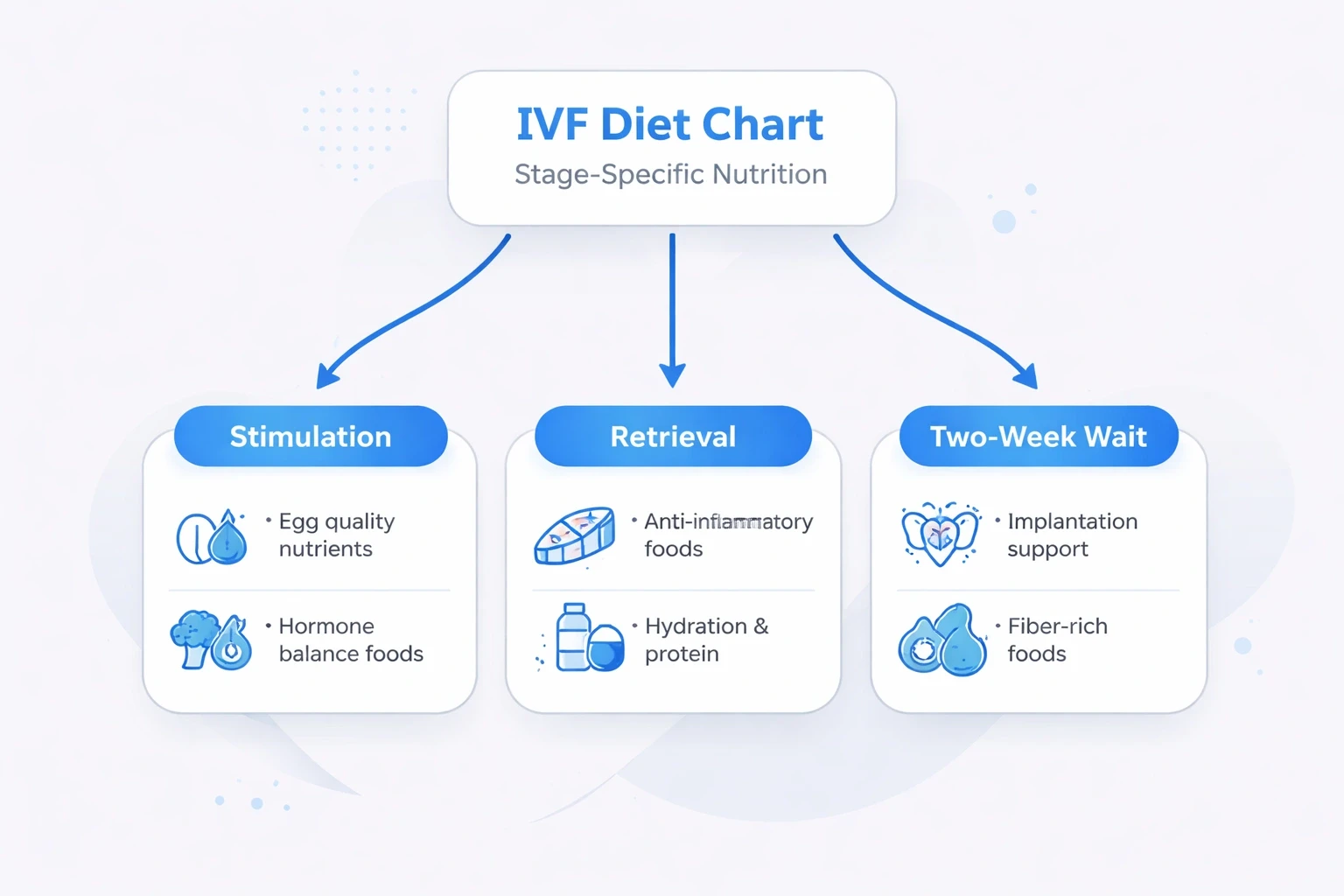
IVF Diet Chart: Stage-Specific Nutrition for Fertility Success
Team Vasundhara
|
Share to
IVF diet chart for each treatment stage—boost egg quality, implantation & hormone balance during stimulation, retrieval, and two‑week wait.
An IVF diet chart maps exactly what to eat before, during, and after each stage of your fertility treatment cycle. It focuses on protein timing, anti-inflammatory foods, and blood sugar stability to support egg quality, implantation, and hormone balance. A solid plan can genuinely improve your outcomes when paired with medical care.
IVF is expensive, emotionally draining, and time-sensitive. Every controllable factor matters. Nutrition is one of the few things you can actively manage during stimulation, retrieval, and the two-week wait. Getting your diet wrong doesn't just waste effort it can blunt the very outcomes you're paying for.
What Is an IVF Diet Chart and Why Does It Matter?
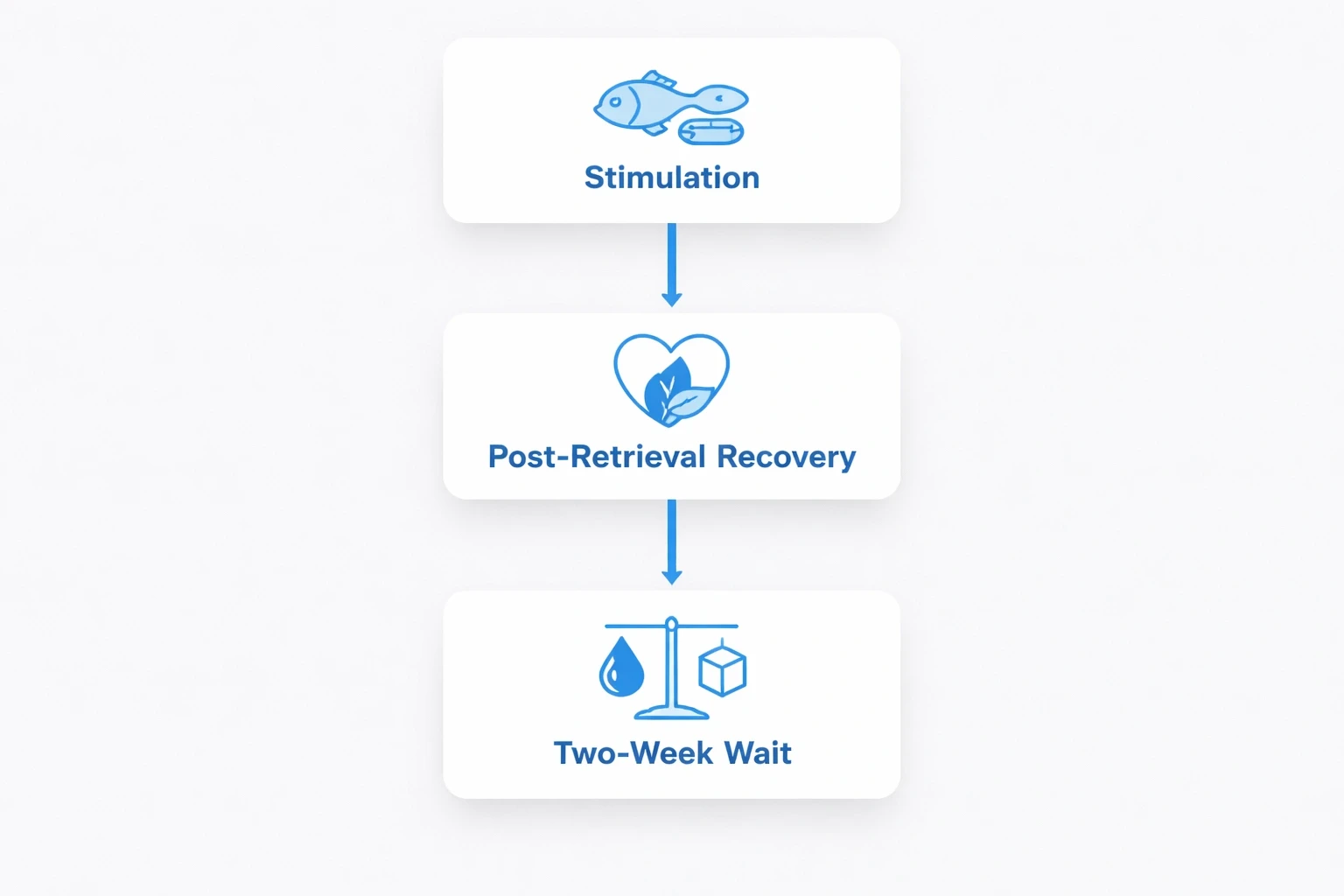
An IVF diet chart is a stage-specific eating plan aligned with your treatment timeline. It's different from general fertility nutrition because it accounts for medication side effects, hormone fluctuations, and the physical demands of egg retrieval and embryo transfer. Timing matters as much as food choice here.
During stimulation, your ovaries are working overtime. Blood flow to reproductive organs needs support through iron and omega-3 fats. Post-retrieval, you need anti-inflammatory foods to recover from the procedure. During the two-week wait, blood sugar stability becomes critical because cortisol spikes from stress can mess with implantation. This is why generic "eat healthy" advice falls short it doesn't map to what's happening biologically at each phase. If you've read about why generic diets fail, you already understand this principle applies doubly during IVF.
Pre-IVF Phase: Building Your Nutritional Foundation
The pre-IVF phase is your prep window, ideally 8 to 12 weeks before stimulation starts. This is when you build egg and sperm quality through targeted nutrients, fix deficiencies, and stabilize insulin sensitivity. The work you do here often determines how your body responds to meds.
Egg quality doesn't improve overnight it reflects about three months of cellular development. This is your window to load up on foods that actually matter.
What to focus on:
Walnuts, flaxseeds, and fatty fish for omega-3s that support egg membrane quality
Leafy greens and lentils for folate non-negotiable before conception
Berries and pomegranate for antioxidants that fight oxidative stress in eggs
Full-fat dairy or paneer for balanced fat intake (skip if you have PCOS-related insulin resistance)
Pumpkin seeds and cashews for zinc, which is essential for hormone production
If PCOS is part of your fertility picture, this phase overlaps heavily with insulin management. Our PCOD diet chart covers those same stability principles. Dairy choices also matter more than people realize our piece on milk and PCOS breaks down the A1 versus A2 protein issue.
Diet During Ovarian Stimulation: What Changes?
During stimulation, prioritize protein, hydration, and anti-inflammatory foods to support rapid follicle growth. This phase usually runs 8 to 14 days and puts real metabolic demand on your body. Bloating and mild discomfort are common, so digestibility counts.
Protein needs go up during stimulation because your ovaries are producing multiple follicles at once. Aim for 70 to 90 grams daily, spread across meals instead of loading up at dinner.
Time of Day | Food Focus | Example |
|---|---|---|
Morning | Hydration + protein | Soaked almonds, warm lemon water, eggs or paneer |
Mid-morning | Antioxidants | Berries, papaya, or a fruit bowl |
Lunch | Protein + fibre | Dal, sabzi, roti, salad |
Evening | Light protein snack | Roasted chana, sprouts, buttermilk |
Dinner | Easy-to-digest protein | Grilled fish or paneer with steamed veggies |
Watch your sodium, too. Some women get fluid retention or mild OHSS symptoms during stimulation. Coconut water and cucumber help with electrolytes without extra salt. This is where our 30-40-30 lunch formula is genuinely useful balanced macros keep energy steady when you're juggling injections, appointments, and work.
Post-Retrieval Recovery: Eating to Heal
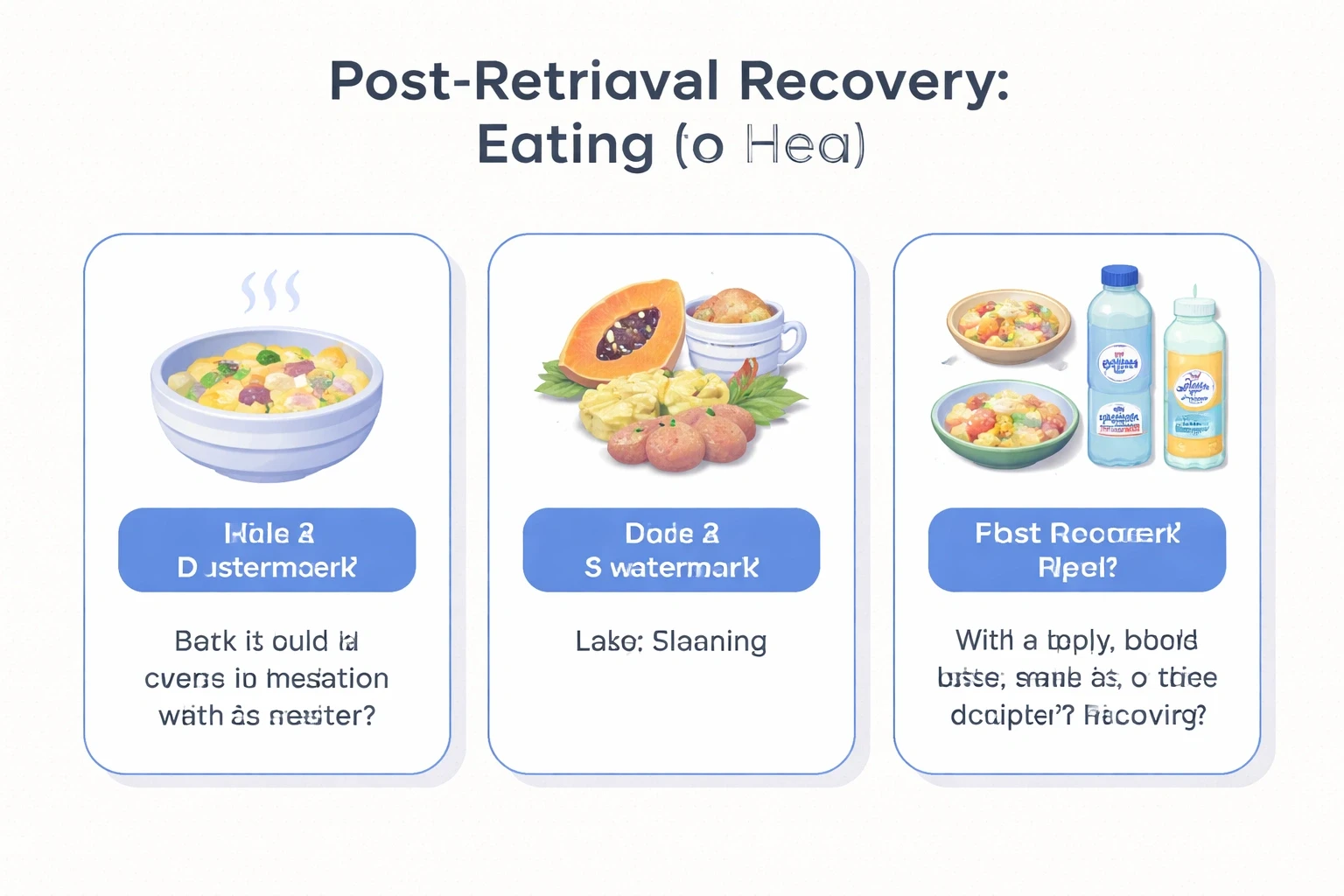
Post-retrieval, focus on calming inflammation, rehydrating, and supporting gut recovery. Mild bloating, cramping, and fatigue are normal for 3 to 5 days. What you eat here affects how fast you feel ready for transfer.
Anti-inflammatory foods are key. Turmeric, ginger, and warm soups help settle your digestive system after anesthesia and hormonal shifts.
Prioritize these:
Bone broth or veggie soups for gentle hydration and minerals
Papaya and ginger tea to ease bloating
Small, frequent meals rather than big ones
Electrolyte fluids like coconut water
Pause on raw salads if digestion feels off
This phase is short, but it sets the tone for the transfer. If gut sensitivity is a concern, our gut wellness approach works well here lighter, warmer, easier-to-digest meals beat heavy or cold foods.
The Two-Week Wait: Diet for Implantation Support
The two-week wait diet should stabilize blood sugar and minimize stress-related inflammation to support embryo implantation. This 10 to 14 day stretch between transfer and testing is emotionally brutal. Food becomes a tool for calm, not just nutrition.
Blood sugar spikes trigger cortisol, and cortisol is not implantation-friendly. Steady glucose levels matter more now than almost any other stage.
Eat protein with every meal to slow glucose absorption
Cut high-sugar snacks and refined carbs entirely
Stick to warm, cooked foods over cold or raw
Add magnesium-rich foods like bananas and dark chocolate for stress
Hydrate, but watch the caffeine
Our guide on meal timing and body rhythm has useful structure for this phase consistent timing helps regulate cortisol patterns.
Foods to Avoid Throughout Your IVF Journey
Some foods should be limited across the entire timeline, not just specific phases. Trans fats, excess caffeine, alcohol, and high-mercury fish are the main ones. These affect hormone metabolism and inflammation markers consistently.
Processed snacks deserve a special callout not because one treat ruins everything, but because habitual intake compounds inflammation over weeks. If you reach for convenience snacks on appointment-heavy days, our healthy homemade snack recipes offer better options that don't take much effort.
Minimize these during IVF:
Alcohol and smoking (including secondhand)
Caffeine over 200mg daily about one cup of coffee
Deli meats and unpasteurized dairy (listeria risk)
High-mercury fish like swordfish and king mackerel
Large quantities of soy due to phytoestrogen concerns
Why an IVF Diet Chart Should Be Personalized, Not Generic
A personalized IVF diet chart accounts for your specific hormone profile, existing conditions, and how your body handles meds. Two women on the same protocol can need completely different nutrition. PCOS, thyroid issues, or insulin resistance all change the math.
That's why those templated IVF diet PDFs online rarely deliver. Someone with PCOS needs different carb timing than someone with unexplained infertility. Our fertility-boosting foods guide covers the broader foundation any personalized plan should build on.
If thyroid function is part of your picture and it often is our PCOS and thyroid diet addresses that overlap directly.
Building Your Plan With Professional Guidance
Trying to DIY nutrition during an already stressful process is rough. A qualified dietitian builds the plan around your actual retrieval dates, medication protocol, and any underlying conditions. That precision is hard to achieve on your own.
At Nutritionist Vasundhara Agrawal's practice, plans are built around your treatment calendar, not templates. With over 16 years of clinical experience across metabolic and hormonal conditions, the focus is on nutrient-complete eating that supports your specific IVF timeline. Check the pricing page or the about page to understand the approach before booking.
Frequently Asked Questions
Can diet alone improve IVF success rates? No. Diet supports medical treatment it doesn't replace it. It optimizes the conditions your protocol works within.
How soon before IVF should I start dietary changes? Ideally 8 to 12 weeks before stimulation. Egg quality reflects three months of cellular development.
Is it safe to lose weight during an IVF cycle? Active weight loss during stimulation isn't recommended. Focus on nutrient density and stability. Save weight goals for the pre-IVF phase.
Should I avoid all caffeine during IVF? Total avoidance isn't necessary for most. Under 200mg daily is a reasonable, evidence-based limit.
An IVF diet chart works best when it flexes with your treatment timeline. Every phase preparation, stimulation, recovery, and the wait asks something different of your body. Getting the timing and balance right, ideally with professional guidance, gives your treatment the metabolic support it deserves.
More Blog Post
HEALTH
DIET
Why Generic Diets Fail: Personalized Nutrition Tips for Your Body
Discover why generic diets fail and how personalized nutrition can fix fatigue, gut issues, weight plateaus, and hormone imbalances.
Team Vasundhara
|
HEALTH
DIET
Sustainable Weight Loss: Avoid Crash Diets & Fix Your Metabolism
Crash diets fail. Learn sustainable weight loss tips to fix metabolism, eat real food, and build healthy habits for lasting results.
Team Vasundhara
|
HEALTH
DIET
What Makes Food 'Light' and How to Eat Lightly for Better Health
Discover what makes food 'light' and how to eat lightly for better digestion, energy, and overall health without restriction. Learn about nutrtion and diet
Team Vasundhara
|

HEALTH
DIET
Low-Calorie Dinner Ideas for Better Sleep & Energy
Discover low-calorie dinner recipes that boost sleep, reduce blood sugar spikes, and keep you energized. Nutrient-dense, satisfying meals under 450 calories. Read more.
Team Vasundhara
|

HEALTH
DIET
Optimize Meals with Body Rhythm: Personalized Nutrition Guide
Align meals with your body’s rhythm to boost digestion, energy, and weight loss. Get personalized nutrition tips for lasting health.
Team Vasundhara
|
HEALTH
DIET
Healthy Workplace Snacks to Avoid the 3 PM Crash | Vasundhara
Protein‑rich, nutrient‑dense snacks to keep you energized all day and prevent the 3 PM crash. Smart office snacking. #HealthyWorkplace #WeightLoss
Team Vasundhara
|
HEALTH
DIET
Smart Evening Snacks: Fuel Your Body, Not Your Cravings
Learn why you get hungry at night, how smart snacks prevent overeating, boost sleep, and aid sustainable weight loss.
Team Vasundhara
|
HEALTH
DIET
Beat the 4 PM Slump with Healthy Snacks | Metabolism Health
Beat the 4 PM slump with smart snacks. Protein, fiber & healthy fats keep you full, avoid crashes. Sustainable weight loss starts now.
Team Vasundhara
|
HEALTH
DIET
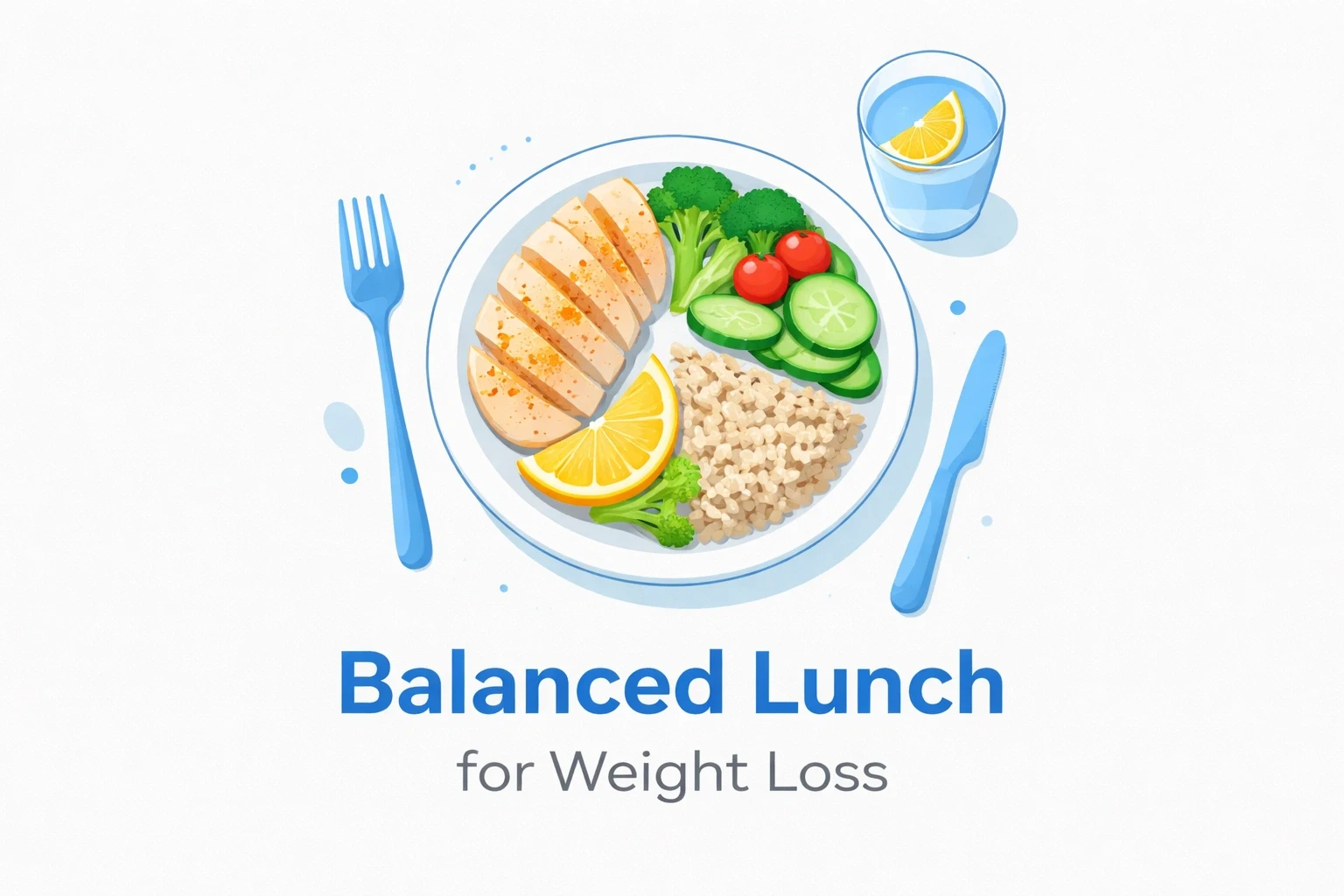
Lunch Fix: 30% Protein, 40% Veggies, 30% Carbs for Weight Loss
Discover the 30% protein, 40% veggies, 30% carbs lunch formula to stabilize blood sugar and avoid cravings. Simple, effective, and easy to prepare.
Team Vasundhara
|
HEALTH
DIET
The Science of Mid-Morning Snacks: Boost Metabolism & Energy
Discover why mid-morning snacks boost metabolism, balance hormones, and prevent overeating. Explore 10 healthy options for sustained energy.
Team Vasundhara
|
HEALTH
DIET
Healthy Office Lunch Ideas: 30-40-30 Formula for Energy
Pack a nutritious office lunch using the 30-40-30 formula. Stay full, avoid crashes, and boost productivity with simple lunch box tips.
Team Vasundhara
|
HEALTH
DIET
Smart Snacking Strategies for Healthy Weight Gain
Effective weight‑gain snack ideas that support digestion, avoid empty calories, and boost nutrient intake for sustainable muscle growth.
Team Vasundhara
|
HEALTH
DIET
Healthy 4 PM Snacks to Avoid Evening Binges
Healthy 4 PM snack ideas to stabilize blood sugar, prevent evening binges, and support weight loss, PCOS, and metabolism with nutrient-dense options.
Team Vasundhara
|
HEALTH
DIET
The 30-40-30 Lunch Formula: Beat Afternoon Slumps
Discover the 30-40-30 lunch formula for sustained energy. Balance protein, veggies, and carbs to avoid afternoon crashes and boost productivity.
Team Vasundhara
|
HEALTH
DIET
Healthy Hot Snacks: Beat the 3 PM Slump Without Crashing
Satisfy your 3 PM hunger with hot, nutrient-rich snacks that boost metabolism and avoid blood sugar crashes. Discover quick, healthy options here.
Team Vasundhara
|

HEALTH
DIET
30-40-30 Lunch Formula: Beat Afternoon Slumps with Healthy Meals
15 healthy lunch recipes using the 30-40-30 macro formula (protein, veg, carbs) for energy boost, meal prep tips, and portion control.
Team Vasundhara
|

HEALTH
DIET
Healthy Snack Recipes: Homemade Alternatives to Processed Foods
Discover healthy, homemade snack recipes that beat processed snacks. Get sustained energy with fresh, nutrient-packed options.
Team Vasundhara
|
HEALTH
DIET
7 Fertility-Boosting Foods for Optimal Reproductive Health
Explore 7 nutrient-rich foods that aid hormonal balance, egg quality & reproductive health—like fatty fish and leafy greens—to boost fertility.
Team Vasundhara
|
HEALTH
DIET
PCOS & Thyroid Diet Chart: Balanced Eating for Hormonal Health
PCOS & thyroid diet chart balances insulin, hormones, and metabolism for stable blood sugar, thyroid support, and sustainable weight loss.
Team Vasundhara
|
HEALTH
DIET
PCOS-Friendly Fruits: What to Eat & Avoid
Manage PCOS symptoms with the right fruit choices. Learn which fruits to eat and avoid for hormonal balance and insulin resistance.
Team Vasundhara
|
HEALTH
DIET
Managing High Testosterone: Diet Tips for Women
Diet tips to lower high testosterone in women: spearmint, flaxseeds, green tea and other anti‑androgen foods for natural hormonal balance.
Team Vasundhara
|
HEALTH
DIET
Dates & PCOS: Sugar‑Sweetened Fruits Impact Insulin Resistance
Dates high in sugar can spike insulin and worsen PCOS. Pair with protein to improve blood sugar control and hormone balance.
Team Vasundhara
|

HEALTH
DIET
PCOD Diet Chart: Insulin-Stable Meals & Hormone Balance
Structured PCOD diet chart with low‑glycemic meals, lean protein, anti‑inflammatory fats to stabilize insulin and balance hormones.
Team Vasundhara
|
HEALTH
DIET
Milk & PCOS: How Dairy Impacts Hormones & Insulin Resistance
Discover dairy's impact on PCOS, insulin resistance, hormones. Compare A1 vs A2 milk, fermented benefits, and personalized PCOS solutions.
Team Vasundhara
|
HEALTH
DIET
PCOS Indian Diet: Hormonal Balance with Heritage Foods
Traditional Indian foods like bajra roti & paneer help PCOS: balance insulin, lower androgens, thrive on a heritage diet.
Team Vasundhara
|
HEALTH
DIET
Best Morning Drink for PCOS: Fenugreek or Jeera Water
Warm water with soaked fenugreek or jeera‑methi seeds: top PCOS morning drink, stabilizes sugar, reduces bloating, boosts insulin sensitivity.
Team Vasundhara
|
HEALTH
DIET
IVF Diet Chart: Stage-Specific Nutrition for Fertility Success
IVF diet chart for each treatment stage—boost egg quality, implantation & hormone balance during stimulation, retrieval, and two‑week wait.
Team Vasundhara
|
HEALTH
DIET
Realistic PCOS Weight Loss: 2-4 kg in a Month Without Crash Diets
Achieve 2-4 kg PCOS weight loss in a month with sustainable habits. Avoid crash diets and focus on consistency for long-term results.
Team Vasundhara
|
HEALTH
DIET
Why HIIT Might Harm PCOS & Better Workouts
Discover why intense workouts like HIIT can worsen PCOS symptoms and learn PCOS-friendly exercises that support hormonal balance and weight loss.
Team Vasundhara
|

HEALTH
DIET
India's 2026 Double Burden: Undernutrition and Obesity Coexist
Explore India's 2026 nutrition crisis: undernutrition meets obesity, micronutrient gaps, and failing generic diets. Embrace personalized nutrition.
|

HEALTH
DIET
Protein-Rich Indian Snacks for a Healthy July 2026
Discover affordable, protein‑rich Indian snacks to fuel your day without imported bars. Build a snack routine that keeps you full and focused
|
HEALTH
DIET
Personalized Nutrition vs National Programs in India
Learn how India's National Nutrition Programs set health standards and how personalized nutrition tailors to individual needs for optimal results.
|

HEALTH
DIET
Personalized Thyroid Diet: 5 Key Nutrients for Health
Get a personalized thyroid diet chart, essential nutrients, timing tips, avoid mistakes, and boost metabolism with expert advice.
|
HEALTH
DIET
India's 2026 Nutrition Policy vs. Personalized Health Needs
India's 2026 Nutrition Policy targets the masses, but misses individual health. Learn why personalized nutrition is key for real results.
|

HEALTH
DIET
Coffee, PCOS & Moderation: What You Need to Know
Discover how coffee impacts PCOS. Learn about cortisol, timing, and additives that matter. Find out safe consumption tips for women with PCOS.
|