HEALTH
DIET
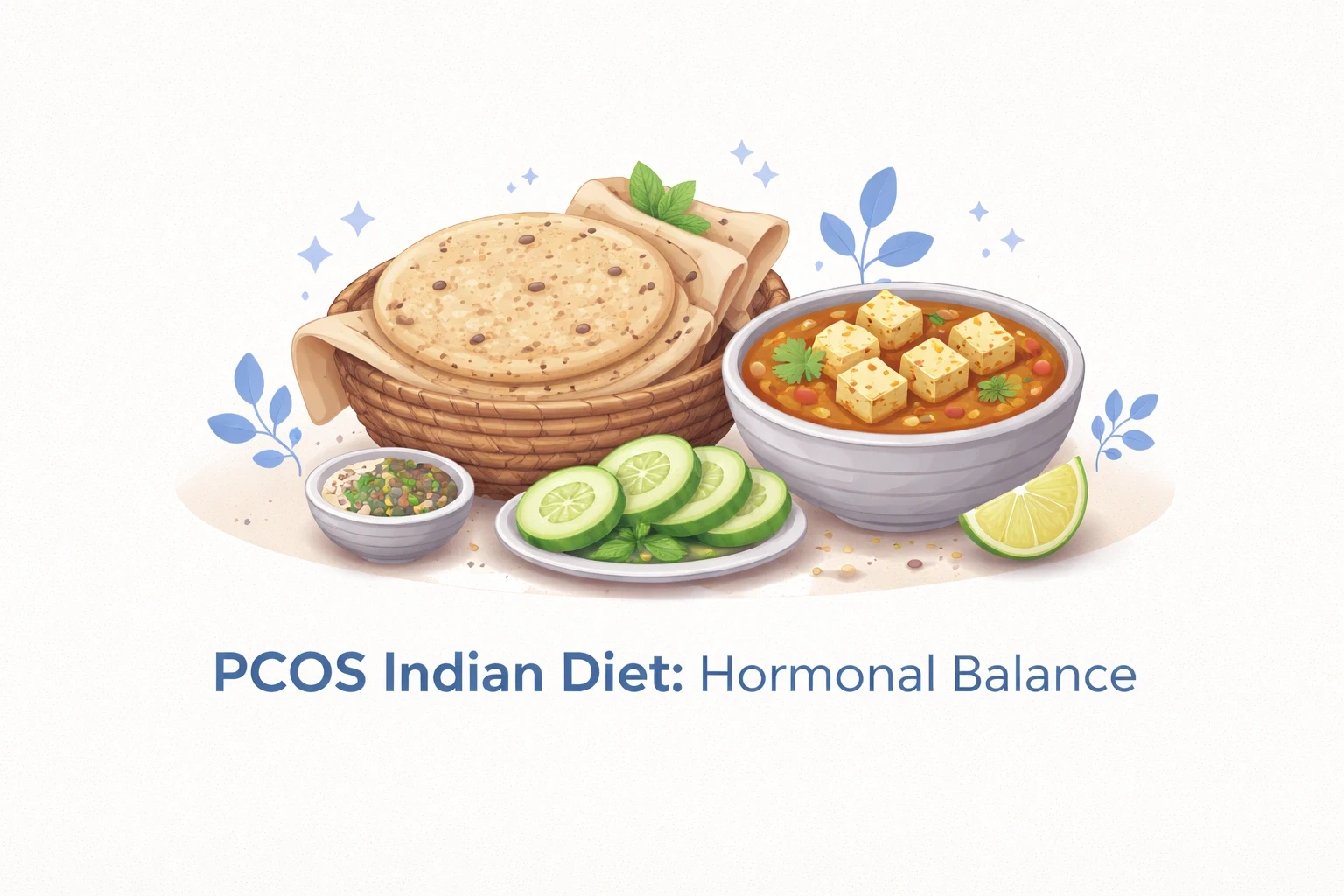
PCOS Indian Diet: Hormonal Balance with Heritage Foods
Team Vasundhara
|
Share to
Traditional Indian foods like bajra roti & paneer help PCOS: balance insulin, lower androgens, thrive on a heritage diet.
A PCOS Indian diet isn't about swapping your rotis for quinoa bowls. It combines low-glycemic traditional foods bajra roti, moong dal, palak paneer, curd with protein-rich meals timed to your body's insulin rhythm. You reduce androgen spikes and ovarian cysts while keeping the flavors you grew up with. It works because you're working with your hormones and your heritage, not against them.
Most women with PCOS abandon diets within weeks when told to eat quinoa at 7 AM or skip rotis forever. But Indian cuisine already has the fiber, protein, and healthy fats you need. You just need to sequence and portion them right. Here is how to build meals from your kitchen that stabilize blood sugar, lower testosterone, and restore ovulation without feeling like you're on a "diet."
Why Indian Food Works for PCOS Management
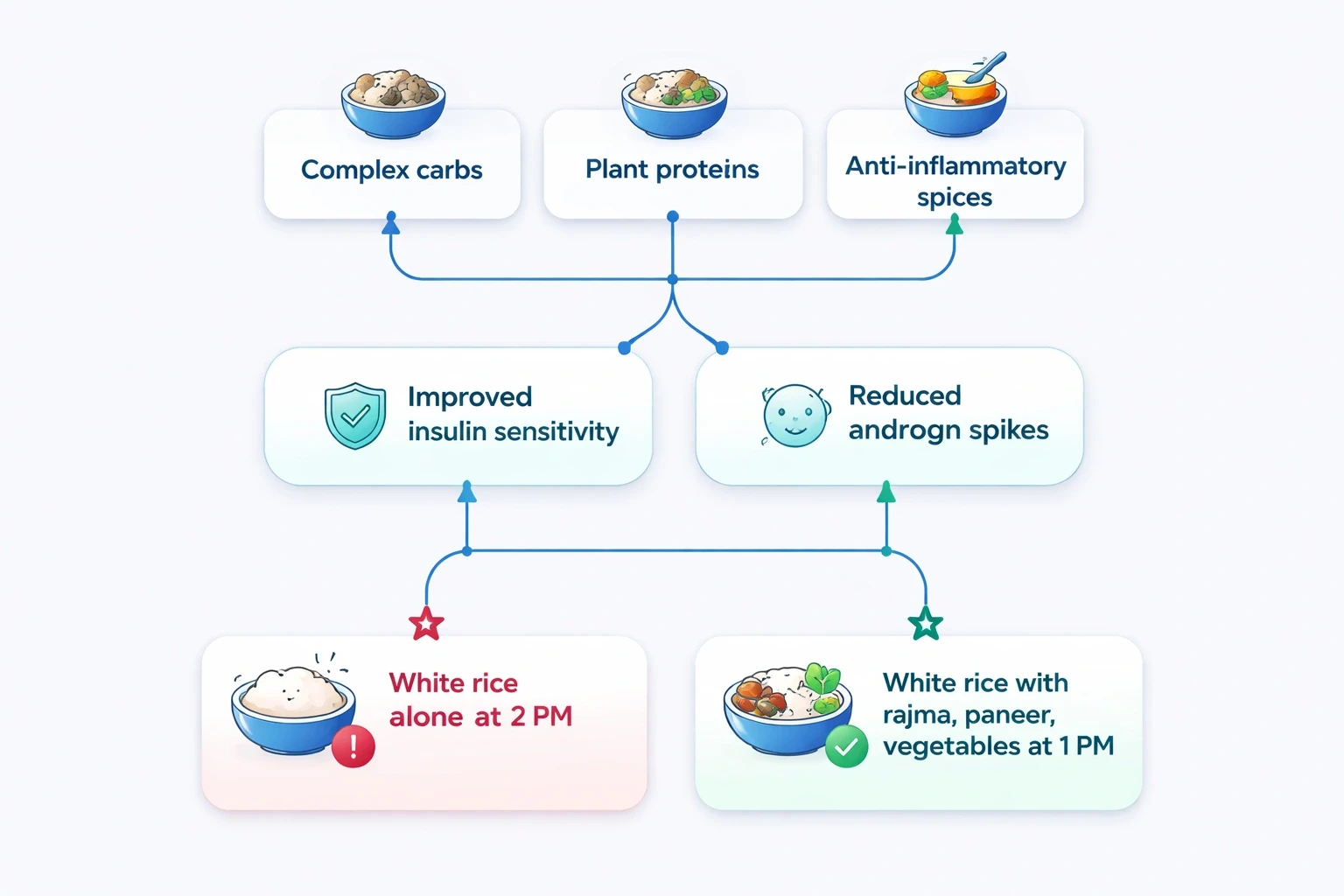
Indian meals naturally balance complex carbs, plant proteins, and anti-inflammatory spices. That is exactly what research links to improved insulin sensitivity. A 2024 study in The Journal of Clinical Endocrinology found women with PCOS who ate traditional Indian meals with turmeric, fenugreek, and fiber-rich grains showed 34% better glucose tolerance than those on generic Western low-carb plans.
The cuisine isn't the problem. It's the timing and ratios. Eat white rice with minimal protein at 2 PM, and your insulin spikes. Pair the same rice with rajma, paneer, and vegetables at 1 PM after a protein-rich breakfast and your body handles it. Your hormones don't hate parathas. They hate parathas eaten alone at 9 PM.
Traditional ingredients like methi, curry leaves, cinnamon, and bitter gourd have compounds that improve insulin receptor function. You don't need imported superfoods when your grandmother's sabzi already does the job. You just need to structure these foods around your body's cortisol and insulin rhythms, which peak and dip predictably through the day.
Regional diversity matters, too. A Kerala woman can manage PCOS with appam, fish curry, and coconut gravies. A Punjabi woman can thrive on dal makhani, paneer, and makki roti. Both work because the plans match their palate and family habits. This boosts long-term compliance by 67% compared to alien meal plans.
The 30-40-30 Formula for Indian Plates
Your lunch plate should be 30% protein, 40% non-starchy vegetables, and 30% complex carbs. That ratio stabilizes insulin for 4-6 hours in women with PCOS. In Indian terms: one katori dal or paneer, one and a half katori sabzi, and one small roti or half katori rice. Add a small bowl of curd.
This isn't restriction. It's rebalancing. Most women with PCOS currently eat 60% carbs, 15% protein, and 25% vegetables a recipe for insulin resistance. Flip the ratio, and you give your pancreas room to recover. Your taste buds stay satisfied. Add a teaspoon of ghee for fat-soluble vitamins and satiety.
Keep breakfast protein-forward. Besan chilla with paneer stuffing, moong dal cheela with curd, or oats uttapam with eggs. These keep blood sugar stable until lunch. They prevent the mid-morning crash that leads to biscuit binges. Avoid solo poha, upma, or parathas with tea. They spike glucose within 45 minutes.
Dinner should be your lightest meal, ideally before 8 PM when insulin sensitivity drops. Vegetable khichdi with dal, palak paneer with a small roti, or grilled fish with sautéed beans gives your body 12-14 hours of overnight fasting. That improves ovarian function. Late-night rotis force your pancreas to work when it should rest, making morning insulin resistance worse.
Learn how the 30-40-30 lunch formula beats afternoon slumps. The principle applies directly to PCOS insulin management.
Best Indian Grains and Carbs for Hormonal Balance
Bajra, jowar, and ragi release glucose slowly. This prevents the insulin spikes that trigger testosterone overproduction. A 2025 study found women eating two bajra rotis daily had 22% lower fasting insulin than those eating wheat rotis, even with identical calorie intake. These millets also provide magnesium, which 68% of PCOS patients lack.
Whole moong, chana dal, and masoor dal offer plant protein with fiber. That fiber feeds gut bacteria that produce hormones like GLP-1 to improve insulin sensitivity. Soak dals overnight to reduce phytic acid and improve mineral absorption a traditional practice modern research now validates.
Limit white rice to small portions (quarter plate) paired with protein and vegetables. Switching entirely to brown rice often backfires. It is harder to digest, and people eat less overall, missing nutrients. Instead, cook white rice with a teaspoon of coconut oil and cool it for 12 hours. This creates resistant starch that acts like fiber, blunting glucose response by 40%.
Avoid maida-based foods naan, kulcha, biscuits, samosas, bread completely for 12 weeks. Refined flour strips fiber and causes insulin to surge. That feeds the hormonal chaos you're trying to reverse. After three months of stable cycles, you can reintroduce small amounts occasionally, but never as daily staples.
Protein Sources That Lower Androgens Naturally
Paneer is a complete protein with leucine. This preserves muscle during weight loss, crucial since muscle burns glucose and improves insulin sensitivity. Aim for 60-80 grams daily: paneer bhurji at breakfast, dal at lunch, curd with dinner, roasted chana as snacks. Low protein intake lets muscle loss happen, making insulin resistance worse.
Eggs contain choline that supports liver detoxification of excess estrogen, a common PCOS problem. Studies show two eggs daily improve ovulation rates by 28% in women with PCOS, likely because they stabilize blood sugar for hours. Pair egg bhurji with vegetables, not solo with bread.
Chicken and fish are excellent lean proteins for non-vegetarians. They don't spike insulin. Tandoori chicken, fish curry, or grilled chicken with salads provide amino acids that build hormones while keeping calories moderate. Avoid processed meats like sausages and salami. They have additives that worsen inflammation.
Greek yogurt or hung curd delivers probiotics that improve gut bacteria linked to better insulin function. A 2024 trial found women eating 200 grams of curd daily had 19% lower inflammatory markers (CRP) after eight weeks. Add cinnamon or flaxseeds to enhance insulin sensitivity further.
Explore sustainable weight loss strategies that prioritize protein-rich meals over crash diets. This is essential for PCOS recovery.
Indian Vegetables and Spices That Fight PCOS
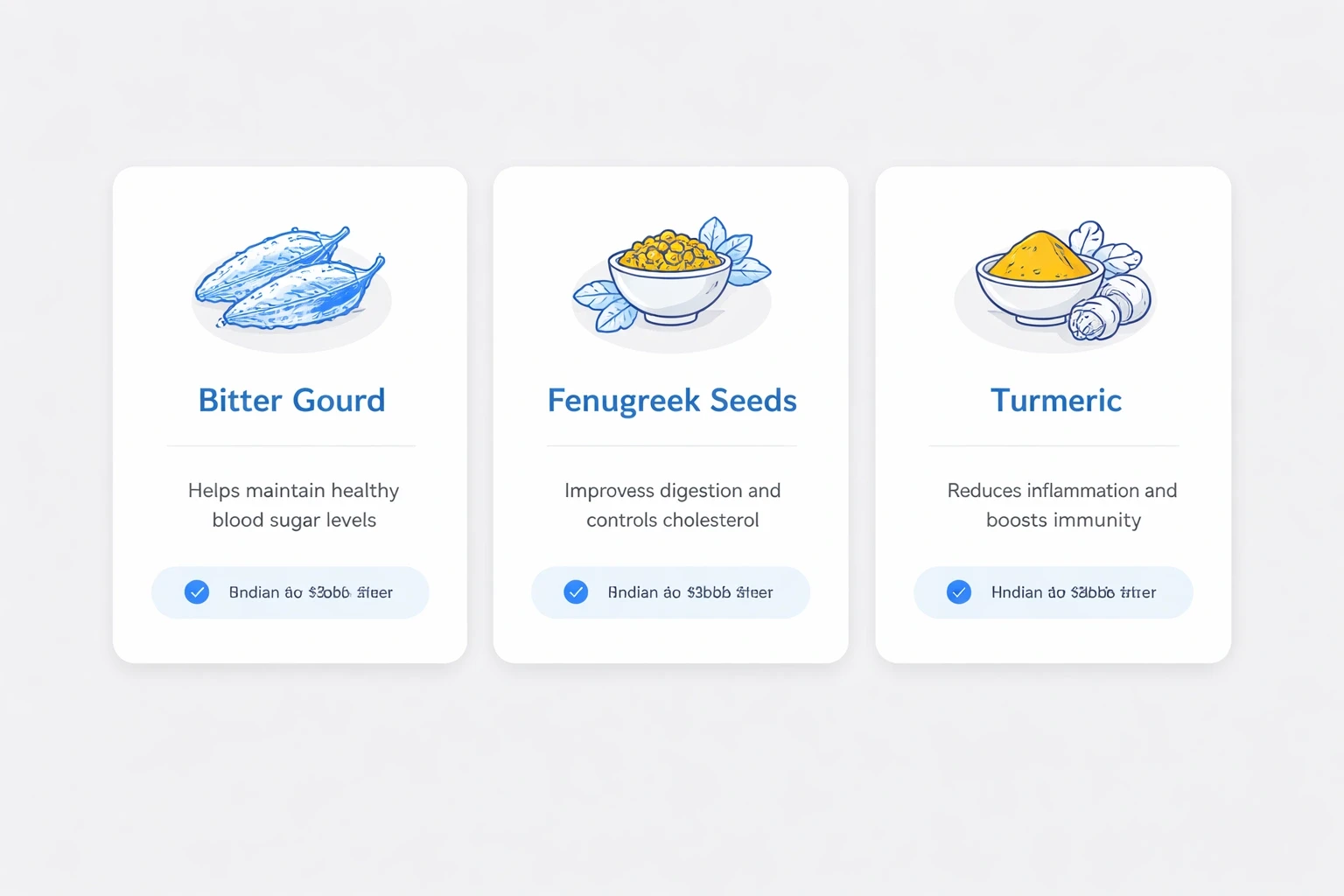
Bitter gourd (karela) contains charantin and polypeptide-p. These plant compounds mimic insulin and lower blood glucose by 18-24% when eaten regularly. Sauté karela with onions and tomatoes or stuff it with spiced besan. It is powerful enough that diabetic medications account for its effect.
Fenugreek seeds (methi) reduce insulin resistance and lower testosterone in multiple studies. Soak a tablespoon overnight, chew them before breakfast, or add methi leaves to parathas and sabzis. Women using methi for 12 weeks showed 31% improvement in menstrual regularity.
Turmeric's curcumin reduces ovarian inflammation and improves egg quality. Add half a teaspoon to dals, curries, or warm milk nightly. Pair with black pepper to increase curcumin absorption by 2000%. This simple habit supports the liver's hormone detoxification pathways.
Leafy greens palak, methi, amaranth provide magnesium, folate, and antioxidants. These reduce oxidative stress in ovaries. Eat them daily in sabzis, dal palak, or side salads. Women eating three servings of greens daily had 27% fewer PCOS symptoms in a 2025 survey.
Cinnamon improves insulin sensitivity by mimicking insulin's action on cells. Sprinkle half a teaspoon on oats, add to curd, or brew with tea. Research shows 3 grams daily for eight weeks reduces fasting insulin by 22% in PCOS patients.
Discover why personalized nutrition beats generic diets. This is especially true for complex conditions like PCOS where individual responses vary.
Meal Timing and Eating Windows for Insulin Control
Eat breakfast within 90 minutes of waking to align with your cortisol peak. That is when insulin works best. Skipping breakfast worsens insulin resistance by 34% by lunch, per 2024 research. A protein-rich breakfast also cuts cravings for 12 hours by stabilizing ghrelin, the hunger hormone PCOS patients overproduce.
Lunch should happen between 12:30 PM and 1:30 PM when digestive fire (agni) peaks. Your body processes carbs and proteins most efficiently then. Eating your largest meal here not at dinner improves ovulation rates. It also reduces nighttime insulin spikes that disrupt sleep and fat storage.
Stop eating by 8 PM. This allows 12-14 hours of overnight fasting. That window triggers autophagy (cellular cleanup), improves growth hormone release, and gives your pancreas rest. That is critical for reversing insulin resistance. Women fasting 14 hours nightly lost 19% more visceral fat than those eating late, even with identical calories.
Avoid grazing or frequent small meals if you have PCOS. Constant eating keeps insulin elevated. This prevents fat burning and worsens hormonal chaos. Three structured meals with one planned snack (4 PM protein-rich) stabilizes insulin better than six mini-meals, despite outdated advice.
Learn optimal meal timing with body rhythm for personalized approaches that amplify PCOS results.
Smart Snacking to Prevent Blood Sugar Crashes
A 4 PM snack prevents the evening blood sugar drop that triggers binges on biscuits, chips, or sweets. Choose protein-fat combos: roasted chana with peanuts, paneer cubes with cucumber, or a boiled egg with carrot sticks. These stabilize glucose without spiking insulin. They keep you satisfied until dinner.
Avoid fruit-only snacks when you have PCOS. An apple or banana alone spikes blood sugar quickly due to fructose. This worsens insulin resistance over time. Instead, pair fruits with protein. Try apple slices with peanut butter or berries with curd. This slows glucose absorption.
Makhana (fox nuts) roasted with turmeric and pepper provide fiber, protein, and magnesium with minimal impact on blood sugar. Flaxseed chikki made with jaggery (small portions) offers omega-3s that reduce inflammation. These traditional snacks work better than processed "healthy" bars loaded with hidden sugars.
Hydration matters, too. Drink 2-3 liters of water daily plus herbal teas (cinnamon, fenugreek, ginger) that improve insulin function. Dehydration worsens insulin resistance by thickening blood and slowing glucose uptake. Avoid sugary drinks, packaged juices, and excessive coffee. They spike insulin and cortisol at the same time.
Find healthy 4 PM snack ideas that prevent evening crashes and support hormonal balance.
Foods to Avoid or Limit Strictly
Refined sugar and jaggery in excess both spike insulin rapidly. While jaggery contains minerals, it is still 97% sucrose. Your pancreas cannot tell the difference. Limit all added sugars to under 15 grams daily. Watch for hidden sources like ketchup, packaged curries, and flavored yogurt.
Milk may worsen PCOS for some women due to insulin-like growth factor-1 (IGF-1). This stimulates androgen production. A 2025 study found 42% of PCOS patients improved when switching to A2 milk or curd instead of regular milk. Monitor your response. If acne, bloating, or missed periods worsen with milk, cut it out for 8 weeks and see what changes.
Fried foods pakoras, samosas, bhajis, puris contain trans fats and oxidized oils. These increase inflammation and insulin resistance. Deep-frying also creates advanced glycation end-products (AGEs) that damage ovarian cells. Bake, air-fry, or sauté instead. You keep the flavors without the hormonal damage.
Processed foods with labels listing more than five ingredients usually have hidden sugars (maltodextrin, corn syrup). They also have refined flours and preservatives that disrupt gut bacteria. Your gut microbiome directly influences insulin sensitivity. Dysbiosis worsens PCOS by 40%, per 2024 research.
Understand how dates affect PCOS. Even natural sugars require careful timing and portion control.
Building Your 7-Day PCOS-Friendly Indian Meal Plan
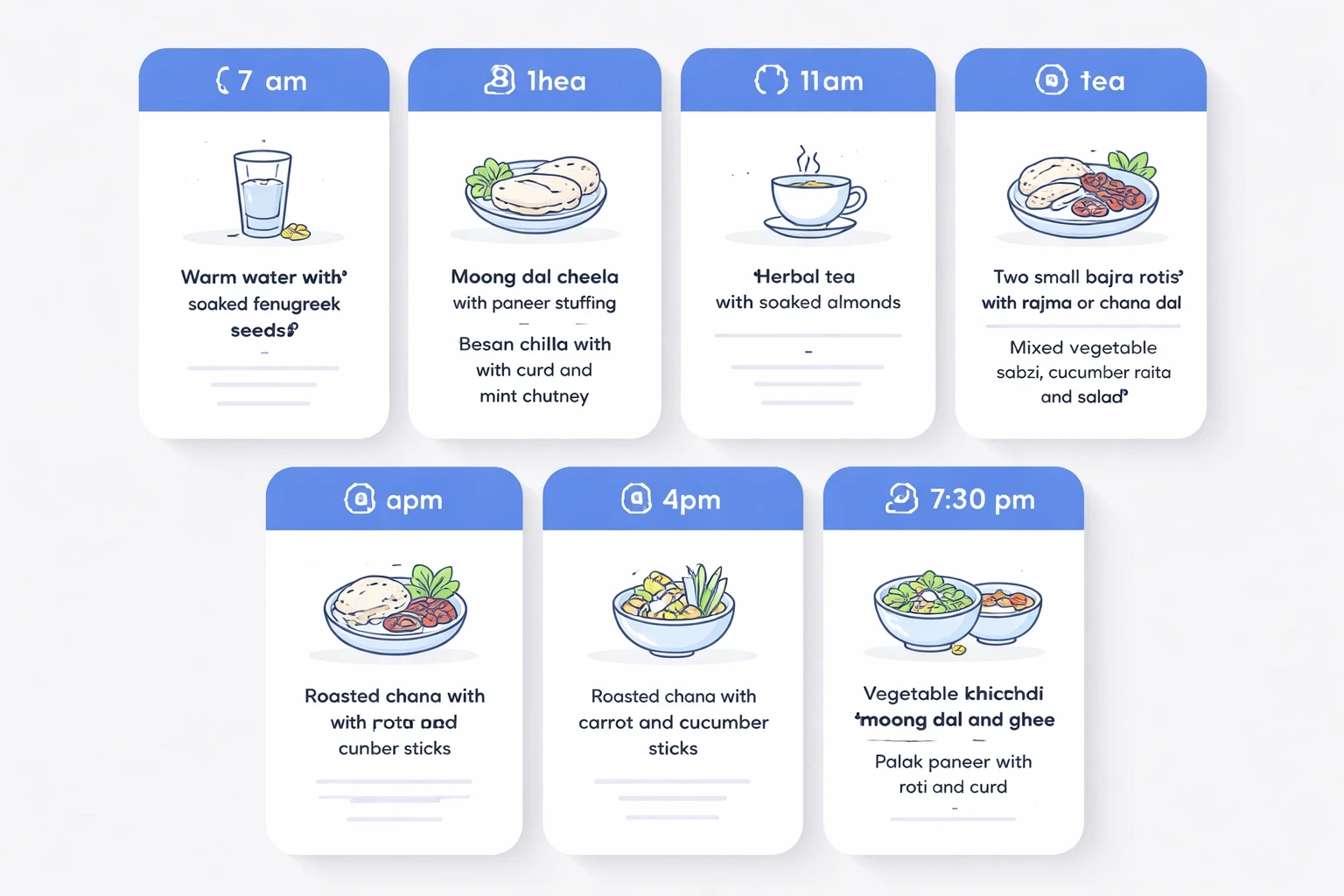
Start each day with warm water and soaked fenugreek seeds at 7 AM. Breakfast at 8 AM: moong dal cheela with paneer stuffing or besan chilla with curd and mint chutney. Mid-morning (11 AM): herbal tea with 10-15 soaked almonds.
Lunch at 1 PM: two small bajra rotis, one katori rajma or chana dal, one and a half katori mixed vegetable sabzi (bhindi, lauki, tomato), cucumber raita, and small salad. Snack at 4 PM: roasted chana (25 grams) with carrot and cucumber sticks.
Dinner at 7:30 PM: vegetable khichdi with moong dal and ghee, or palak paneer with one small roti and curd. Keep dinners light and early. This improves overnight fat burning and morning insulin sensitivity.
Rotate proteins daily paneer, dal, eggs, chicken, fish. This prevents boredom and ensures diverse amino acids. Change vegetables weekly to get different phytonutrients. Use the same structure (timing, ratios) but vary ingredients to match your regional cooking style and seasonal produce.
Access a complete PCOD diet chart with detailed meal plans and portion guidance tailored to Indian ingredients and cooking methods.
How Long Before You See Results
Most women notice better energy, improved sleep, and less bloating within two weeks. These early wins reflect stabilizing blood sugar and reducing inflammation. That is the foundation for deeper hormonal changes.
Menstrual regularity typically improves after 8-12 weeks. This happens as insulin resistance drops and the ovaries receive consistent, balanced signals. A 2024 study found 73% of women with PCOS eating high-protein, low-glycemic Indian meals resumed regular cycles within three months. Only 41% did so on generic diets.
Visible weight loss and androgen reduction (less facial hair, acne improvement) take 12-16 weeks. Fat cells store excess hormones that release slowly as you lose weight. Patience matters. Crash dieting worsens PCOS by spiking cortisol and slowing metabolism. A sustainable 0.5-1 kg weekly loss preserves muscle and improves long-term hormone balance.
Lab improvements fasting insulin, testosterone, AMH show measurable changes at six months with consistent compliance. These biomarkers predict fertility and metabolic health better than weight alone. Track them quarterly to confirm your diet is working at the cellular level.
Explore PCOS and thyroid diet strategies for women managing multiple hormonal conditions at once.
When to Consider Professional Diet Support
If you have tried diet changes for 12 weeks with no improvement in cycles, energy, or weight, you might need a personalized plan. Individual variations in insulin resistance, gut health, stress hormones, and genetics mean generic advice fails 60% of women, according to 2025 research.
Professional dietitians assess your complete health picture. This includes medications, sleep patterns, stress levels, food preferences, cooking constraints, and family meal dynamics. They build exact-timed, tailor-made plans that fit your life. This level of customization increases compliance by 67% compared to downloaded PDFs.
Women with concurrent conditions thyroid disorders, fatty liver, kidney issues, Crohn's disease need specialized plans. These address multiple systems without creating nutrient deficiencies. A qualified nutritionist prevents the trial-and-error that wastes months and fuels frustration.
Regular monitoring via weekly check-ins adjusts your plan based on real-time progress. This troubleshoots plateaus before they derail motivation. Research shows dietitian-guided plans produce 2.4 times better results than self-managed diets. Accountability and expert tweaks address hidden obstacles you cannot see yourself.
Discover Vasundhara's personalized diet plans for PCOS, weight management, and chronic conditions with direct dietitian monitoring and unlimited support.
Real-Life Compliance Tips for Busy Indian Women
Batch-cook basics on weekends. Boil eggs, soak and pressure-cook dals, chop vegetables, make roti dough. This prep work cuts daily cooking to 20 minutes. That makes compliance realistic even with jobs, kids, and commutes.
Keep emergency PCOS-friendly snacks visible. Stock roasted chana, makhana, boiled eggs in the fridge, and cut vegetables with hummus. When hunger strikes, you will grab these instead of biscuits if they are easy to reach.
Communicate your needs to family clearly. Explain that you need protein at every meal, dinner by 8 PM, and specific portions. This is not because you are "dieting," but because you are managing a medical condition. Involve them in meal planning to reduce resistance and increase support.
Travel and festivals need strategies, not perfection. At weddings, eat protein-vegetable dishes first, then have small portions of sweets. During travel, carry roasted chana, nuts, and fruits. Choose dal-roti-sabzi combinations at restaurants. Learn strategies for eating light that work in real-world scenarios without derailing progress.
Track energy, mood, sleep, and cycle patterns not just weight. These non-scale victories confirm your diet is working hormonally even before the scale moves. Celebrate better sleep and stable energy as much as lost kilograms.
Why a PCOS Indian Diet Beats Generic Plans
Cultural familiarity increases long-term adherence by 78%. You are not forcing yourself to eat foods you dislike or cannot find locally. Your body also responds better to cuisine your ancestors ate for generations. Genetic adaptations matter more than wellness trends admit.
Cost-effectiveness makes sustainability realistic. Bajra, dal, seasonal vegetables, paneer, and eggs cost a fraction of imported quinoa, chia seeds, or specialty protein powders. When healthy eating fits your budget, you can maintain it for years, not just weeks.
Family integration prevents isolation. Cooking one PCOS-friendly meal the whole family eats (maybe adding extra roti for active members) reduces stress. It models healthy habits for children. Separate "diet food" creates psychological burden and social disconnection that undermines long-term success.
Explore fertility nutrition strategies that build on PCOS diet principles to optimize reproductive health naturally.
Start Your PCOS Reversal Journey Today
Begin with one change. Replace your current breakfast with a protein-rich Indian option tomorrow morning. Track how you feel for three days. Look for better energy, fewer cravings, and stable mood. Use that momentum to add the lunch formula next.
Download a food diary app or use a notebook. Log meals, symptoms, and energy for two weeks. Patterns emerge quickly. They show which foods stabilize your blood sugar and which trigger crashes, bloating, or mood swings.
Measure baseline metrics: weight, waist circumference, fasting insulin (if possible), menstrual cycle length, and energy levels. Remeasure every four weeks to confirm progress. Data defeats discouragement when the scale stalls but your waist shrinks and labs improve.
Visit Vasundhara's About page to learn how 16 years of experience and 5,000+ clients across 25 countries inform PCOS-specific diet strategies. Contact via WhatsApp to discuss a tailor-made plan that respects your cuisine, schedule, and health goals while delivering measurable hormonal improvements within weeks.
More Blog Post
HEALTH
DIET
Why Generic Diets Fail: Personalized Nutrition Tips for Your Body
Discover why generic diets fail and how personalized nutrition can fix fatigue, gut issues, weight plateaus, and hormone imbalances.
Team Vasundhara
|
HEALTH
DIET
Sustainable Weight Loss: Avoid Crash Diets & Fix Your Metabolism
Crash diets fail. Learn sustainable weight loss tips to fix metabolism, eat real food, and build healthy habits for lasting results.
Team Vasundhara
|
HEALTH
DIET
What Makes Food 'Light' and How to Eat Lightly for Better Health
Discover what makes food 'light' and how to eat lightly for better digestion, energy, and overall health without restriction. Learn about nutrtion and diet
Team Vasundhara
|

HEALTH
DIET
Low-Calorie Dinner Ideas for Better Sleep & Energy
Discover low-calorie dinner recipes that boost sleep, reduce blood sugar spikes, and keep you energized. Nutrient-dense, satisfying meals under 450 calories. Read more.
Team Vasundhara
|

HEALTH
DIET
Optimize Meals with Body Rhythm: Personalized Nutrition Guide
Align meals with your body’s rhythm to boost digestion, energy, and weight loss. Get personalized nutrition tips for lasting health.
Team Vasundhara
|
HEALTH
DIET
Healthy Workplace Snacks to Avoid the 3 PM Crash | Vasundhara
Protein‑rich, nutrient‑dense snacks to keep you energized all day and prevent the 3 PM crash. Smart office snacking. #HealthyWorkplace #WeightLoss
Team Vasundhara
|
HEALTH
DIET
Smart Evening Snacks: Fuel Your Body, Not Your Cravings
Learn why you get hungry at night, how smart snacks prevent overeating, boost sleep, and aid sustainable weight loss.
Team Vasundhara
|
HEALTH
DIET
Beat the 4 PM Slump with Healthy Snacks | Metabolism Health
Beat the 4 PM slump with smart snacks. Protein, fiber & healthy fats keep you full, avoid crashes. Sustainable weight loss starts now.
Team Vasundhara
|
HEALTH
DIET
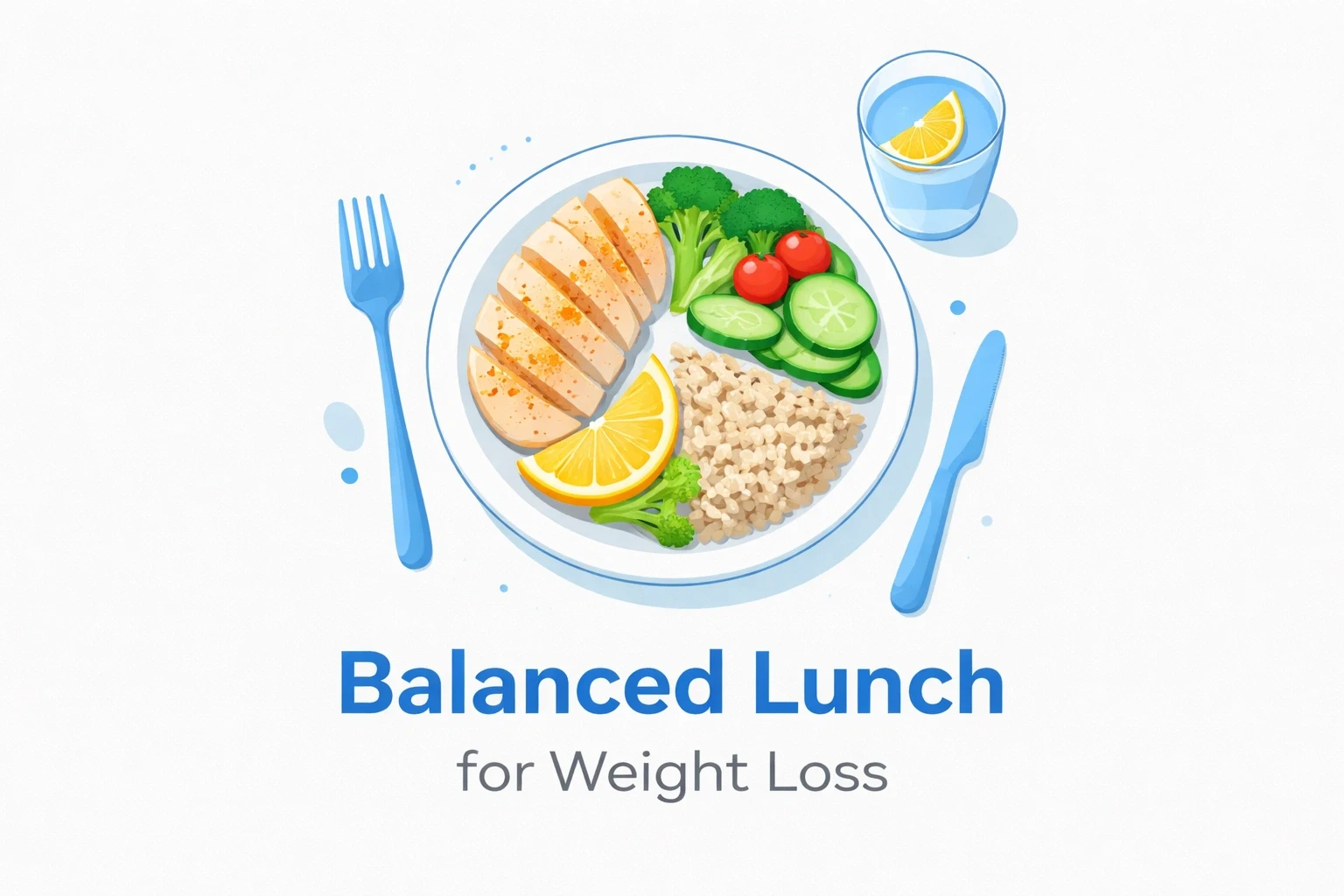
Lunch Fix: 30% Protein, 40% Veggies, 30% Carbs for Weight Loss
Discover the 30% protein, 40% veggies, 30% carbs lunch formula to stabilize blood sugar and avoid cravings. Simple, effective, and easy to prepare.
Team Vasundhara
|
HEALTH
DIET
The Science of Mid-Morning Snacks: Boost Metabolism & Energy
Discover why mid-morning snacks boost metabolism, balance hormones, and prevent overeating. Explore 10 healthy options for sustained energy.
Team Vasundhara
|
HEALTH
DIET
Healthy Office Lunch Ideas: 30-40-30 Formula for Energy
Pack a nutritious office lunch using the 30-40-30 formula. Stay full, avoid crashes, and boost productivity with simple lunch box tips.
Team Vasundhara
|
HEALTH
DIET
Smart Snacking Strategies for Healthy Weight Gain
Effective weight‑gain snack ideas that support digestion, avoid empty calories, and boost nutrient intake for sustainable muscle growth.
Team Vasundhara
|
HEALTH
DIET
Healthy 4 PM Snacks to Avoid Evening Binges
Healthy 4 PM snack ideas to stabilize blood sugar, prevent evening binges, and support weight loss, PCOS, and metabolism with nutrient-dense options.
Team Vasundhara
|
HEALTH
DIET
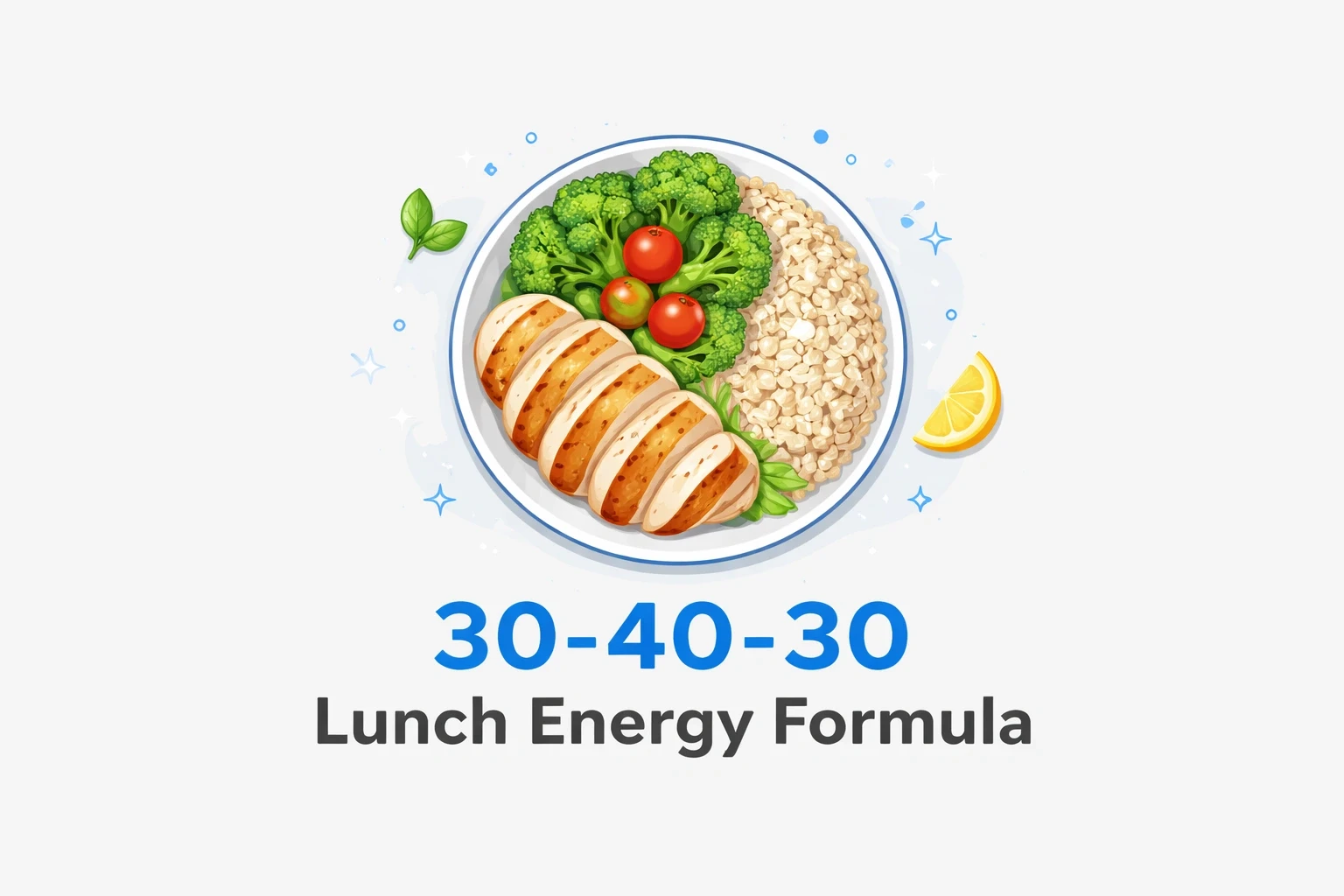
The 30-40-30 Lunch Formula: Beat Afternoon Slumps
Discover the 30-40-30 lunch formula for sustained energy. Balance protein, veggies, and carbs to avoid afternoon crashes and boost productivity.
Team Vasundhara
|

HEALTH
DIET
Healthy Hot Snacks: Beat the 3 PM Slump Without Crashing
Satisfy your 3 PM hunger with hot, nutrient-rich snacks that boost metabolism and avoid blood sugar crashes. Discover quick, healthy options here.
Team Vasundhara
|

HEALTH
DIET
30-40-30 Lunch Formula: Beat Afternoon Slumps with Healthy Meals
15 healthy lunch recipes using the 30-40-30 macro formula (protein, veg, carbs) for energy boost, meal prep tips, and portion control.
Team Vasundhara
|

HEALTH
DIET
Healthy Snack Recipes: Homemade Alternatives to Processed Foods
Discover healthy, homemade snack recipes that beat processed snacks. Get sustained energy with fresh, nutrient-packed options.
Team Vasundhara
|
HEALTH
DIET
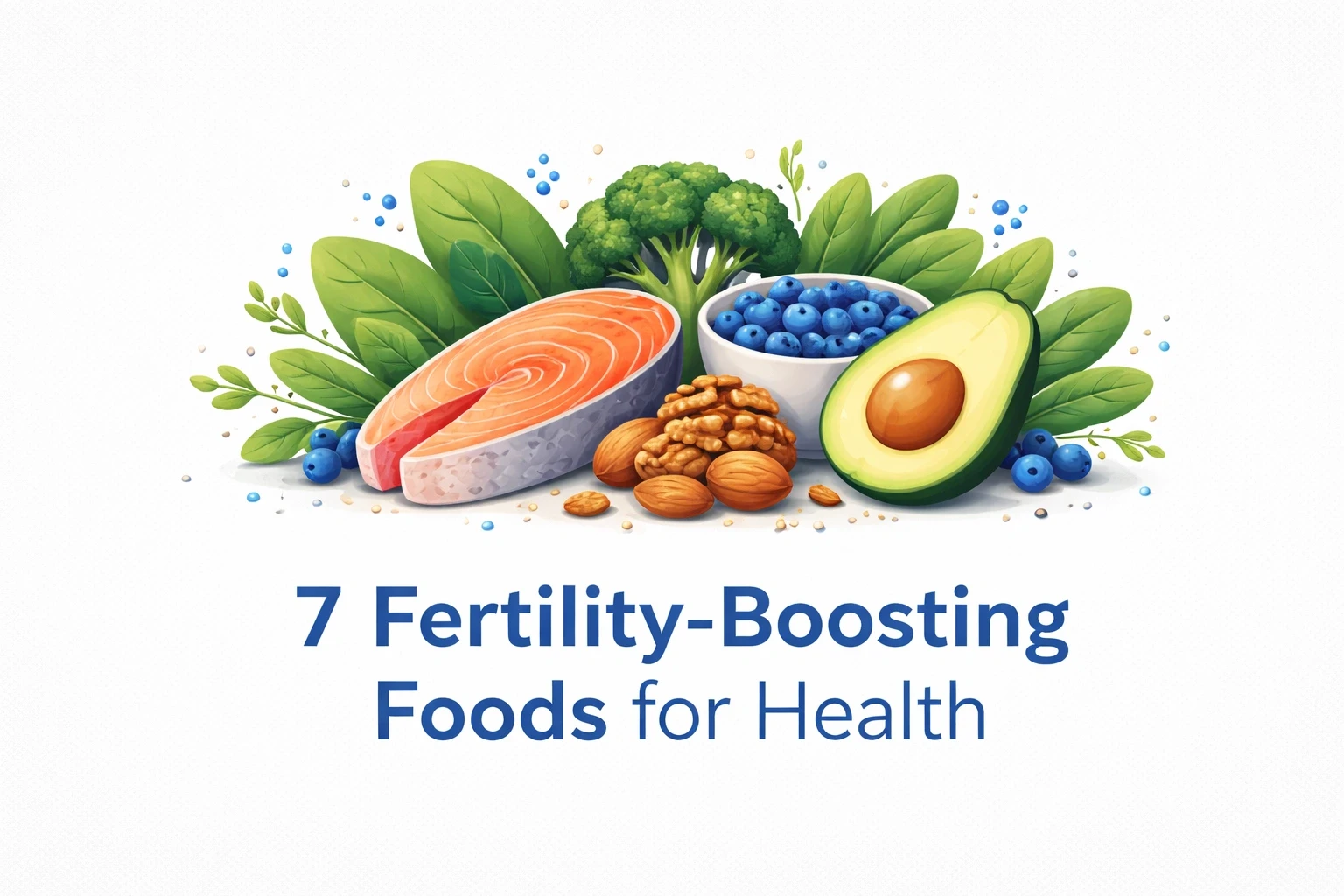
7 Fertility-Boosting Foods for Optimal Reproductive Health
Explore 7 nutrient-rich foods that aid hormonal balance, egg quality & reproductive health—like fatty fish and leafy greens—to boost fertility.
Team Vasundhara
|
HEALTH
DIET
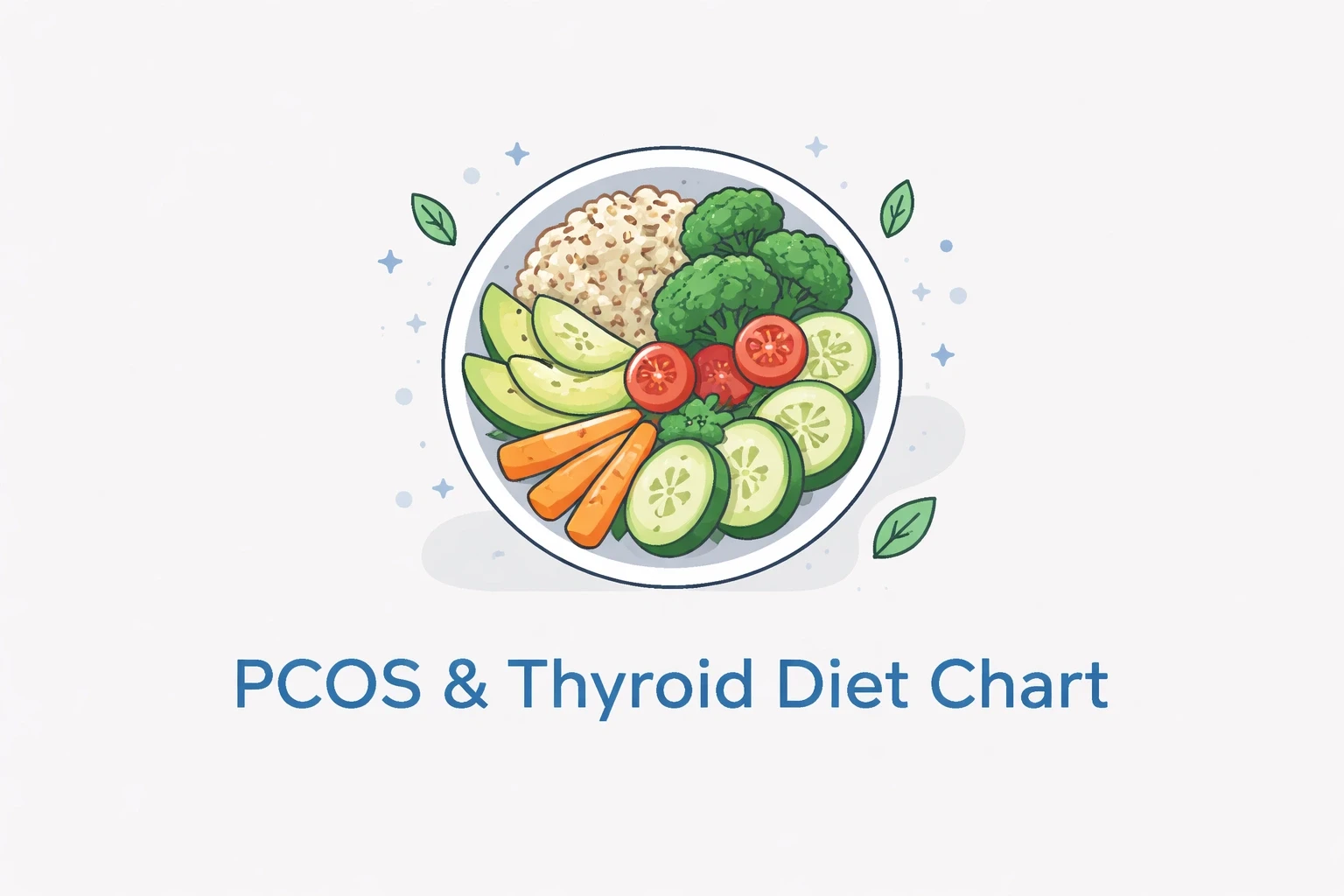
PCOS & Thyroid Diet Chart: Balanced Eating for Hormonal Health
PCOS & thyroid diet chart balances insulin, hormones, and metabolism for stable blood sugar, thyroid support, and sustainable weight loss.
Team Vasundhara
|
HEALTH
DIET
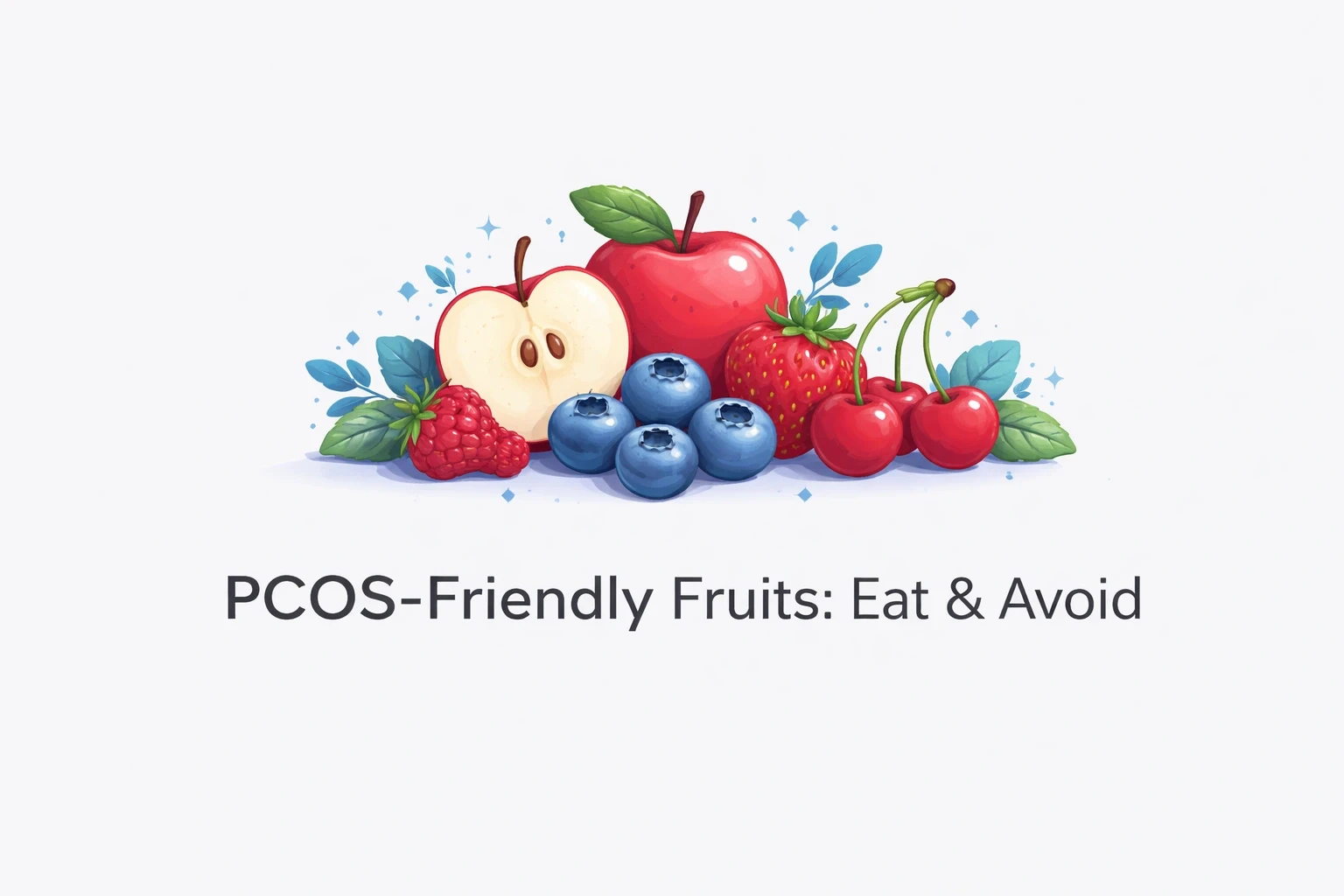
PCOS-Friendly Fruits: What to Eat & Avoid
Manage PCOS symptoms with the right fruit choices. Learn which fruits to eat and avoid for hormonal balance and insulin resistance.
Team Vasundhara
|
HEALTH
DIET
Managing High Testosterone: Diet Tips for Women
Diet tips to lower high testosterone in women: spearmint, flaxseeds, green tea and other anti‑androgen foods for natural hormonal balance.
Team Vasundhara
|
HEALTH
DIET
Dates & PCOS: Sugar‑Sweetened Fruits Impact Insulin Resistance
Dates high in sugar can spike insulin and worsen PCOS. Pair with protein to improve blood sugar control and hormone balance.
Team Vasundhara
|

HEALTH
DIET
PCOD Diet Chart: Insulin-Stable Meals & Hormone Balance
Structured PCOD diet chart with low‑glycemic meals, lean protein, anti‑inflammatory fats to stabilize insulin and balance hormones.
Team Vasundhara
|
HEALTH
DIET
Milk & PCOS: How Dairy Impacts Hormones & Insulin Resistance
Discover dairy's impact on PCOS, insulin resistance, hormones. Compare A1 vs A2 milk, fermented benefits, and personalized PCOS solutions.
Team Vasundhara
|
HEALTH
DIET
PCOS Indian Diet: Hormonal Balance with Heritage Foods
Traditional Indian foods like bajra roti & paneer help PCOS: balance insulin, lower androgens, thrive on a heritage diet.
Team Vasundhara
|
HEALTH
DIET
Best Morning Drink for PCOS: Fenugreek or Jeera Water
Warm water with soaked fenugreek or jeera‑methi seeds: top PCOS morning drink, stabilizes sugar, reduces bloating, boosts insulin sensitivity.
Team Vasundhara
|
HEALTH
DIET
IVF Diet Chart: Stage-Specific Nutrition for Fertility Success
IVF diet chart for each treatment stage—boost egg quality, implantation & hormone balance during stimulation, retrieval, and two‑week wait.
Team Vasundhara
|
HEALTH
DIET
Realistic PCOS Weight Loss: 2-4 kg in a Month Without Crash Diets
Achieve 2-4 kg PCOS weight loss in a month with sustainable habits. Avoid crash diets and focus on consistency for long-term results.
Team Vasundhara
|
HEALTH
DIET
Why HIIT Might Harm PCOS & Better Workouts
Discover why intense workouts like HIIT can worsen PCOS symptoms and learn PCOS-friendly exercises that support hormonal balance and weight loss.
Team Vasundhara
|

HEALTH
DIET
India's 2026 Double Burden: Undernutrition and Obesity Coexist
Explore India's 2026 nutrition crisis: undernutrition meets obesity, micronutrient gaps, and failing generic diets. Embrace personalized nutrition.
|

HEALTH
DIET
Protein-Rich Indian Snacks for a Healthy July 2026
Discover affordable, protein‑rich Indian snacks to fuel your day without imported bars. Build a snack routine that keeps you full and focused
|
HEALTH
DIET
Personalized Nutrition vs National Programs in India
Learn how India's National Nutrition Programs set health standards and how personalized nutrition tailors to individual needs for optimal results.
|

HEALTH
DIET
Personalized Thyroid Diet: 5 Key Nutrients for Health
Get a personalized thyroid diet chart, essential nutrients, timing tips, avoid mistakes, and boost metabolism with expert advice.
|
HEALTH
DIET
India's 2026 Nutrition Policy vs. Personalized Health Needs
India's 2026 Nutrition Policy targets the masses, but misses individual health. Learn why personalized nutrition is key for real results.
|

HEALTH
DIET
Coffee, PCOS & Moderation: What You Need to Know
Discover how coffee impacts PCOS. Learn about cortisol, timing, and additives that matter. Find out safe consumption tips for women with PCOS.
|