HEALTH
DIET
7 Fertility-Boosting Foods for Optimal Reproductive Health
Team Vasundhara
|
Share to
Explore 7 nutrient-rich foods that aid hormonal balance, egg quality & reproductive health—like fatty fish and leafy greens—to boost fertility.
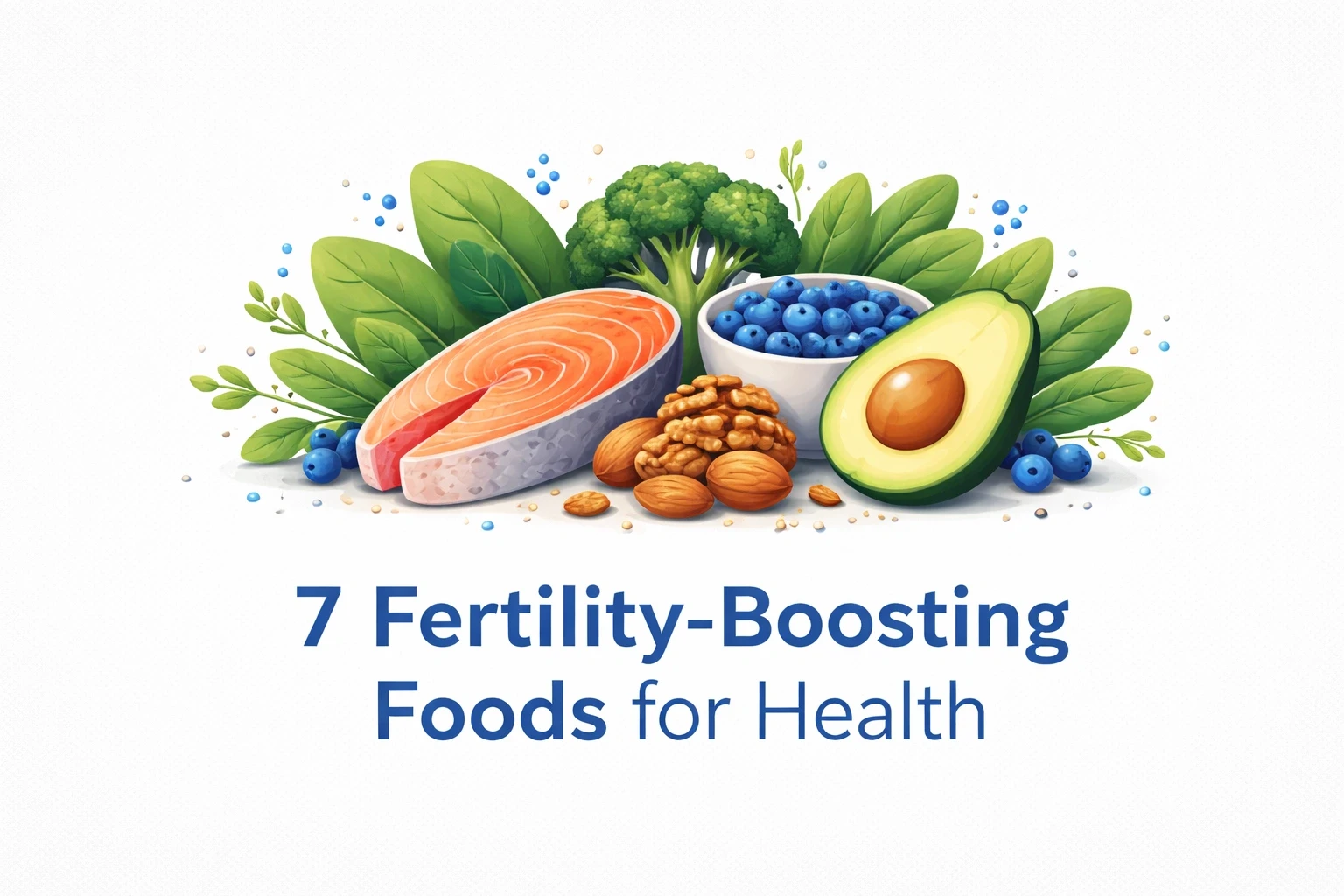
What you eat affects your fertility. It’s not a magic cure, but specific nutrients directly support hormonal balance, egg quality, and reproductive function. The seven foods that matter most are fatty fish (for omega-3s), leafy greens (folate), legumes (plant protein), berries (antioxidants), full-fat dairy, nuts and seeds (zinc), and whole grains (insulin control).
These foods tackle the root causes of fertility struggles things like inflammation, oxidative stress, and hormone imbalances. Whether you're just starting to try or dealing with something like PCOS, getting these into your daily routine builds a baseline for reproductive health. Nutrition influences egg maturation, sperm health, and uterine lining quality more than most people give it credit for.
Fatty Fish: Omega-3s for Hormones
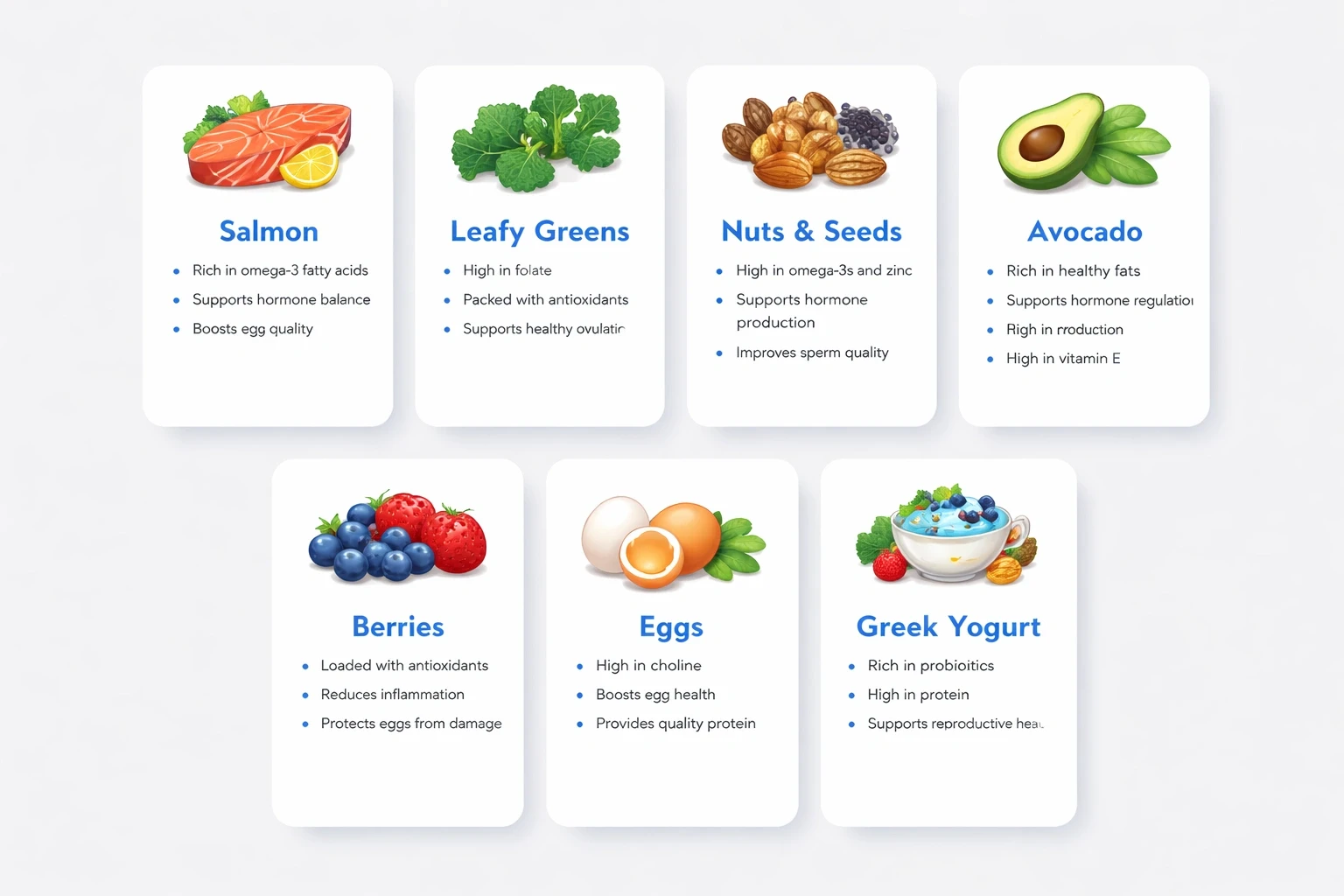
Fatty fish like salmon, sardines, and mackerel are loaded with EPA and DHA omega-3s. These fats regulate reproductive hormones and cut down inflammation. They improve blood flow to reproductive organs, help with egg quality, and support embryo implantation. Studies show that women eating 2-3 servings a week have better ovulation patterns.
The anti-inflammatory angle is key if you have endometriosis or PCOS. Chronic inflammation throws a wrench in fertility, and omega-3s help calm that down. You also get vitamin D and selenium, which the thyroid and reproductive cells need.
Stick to wild-caught when you can to keep mercury levels down. Grill salmon, throw sardines on a salad, or make mackerel curry. If you hate fish, algae-based supplements are a decent backup, but whole foods give you a better nutrient mix.
Timing plays a role here. Pairing fish with personalized nutrition plans helps ensure you're spreading protein intake throughout the day, which keeps blood sugar stable for hormone production.
Leafy Greens: The Folate Fix
Spinach, kale, and fenugreek leaves are folate (B9) powerhouses. You need folate for DNA synthesis and cell division basically the building blocks of conception. Getting enough before pregnancy prevents neural tube defects and helps eggs develop properly. One cup of cooked spinach gets you nearly 65% of your daily folate.
These greens also have iron. Anemia is a fertility killer; it messes with ovulation and makes periods irregular. The iron in plants absorbs better if you pair it with vitamin C, so squeeze some lemon juice on top or add tomatoes.
Toss spinach in smoothies, sauté kale with garlic, or stuff fenugreek leaves into rotis. The fiber helps your gut, and gut health is surprisingly tied to how your body metabolizes hormones.
A lot of women I work with who use sustainable weight loss approaches find that loading up on greens naturally pushes processed food off the plate. Since being in a healthy BMI range matters for fertility, this is a win-win.
Legumes and Pulses: Plant Protein for Blood Sugar
Lentils, chickpeas, black beans, moong dal these are fertility gold. They provide plant protein and complex carbs that stop insulin from spiking. Insulin resistance drives 50-70% of PCOS infertility, so keeping those levels steady is non-negotiable. These foods have a low glycemic index, meaning they release energy slowly.
One cup of cooked lentils gives you 18g of protein plus iron, folate, and fiber. That combo supports egg quality and hormonal balance. Studies suggest swapping animal protein for plant protein improves ovulation rates and lowers inflammation.
Aim for legumes at least once a day. Dal for lunch, chickpea salad for dinner, or moong dal cheela for breakfast. Soaking and sprouting them first makes the nutrients easier to absorb and helps if you’re prone to bloating.
The balance of protein and carbs in legumes fits perfectly with the 30-40-30 lunch formula. It stops that afternoon crash and keeps your metabolism running efficiently both things you want for making reproductive hormones.
Berries: Antioxidants for Egg and Sperm
Blueberries, strawberries, raspberries they’re packed with anthocyanins and vitamin C. These antioxidants protect reproductive cells from oxidative damage. Free radicals degrade egg quality as you age; antioxidants help slow that down. Women on high-antioxidant diets tend to have better embryo quality during fertility treatments.
They also have vitamin C, which helps produce progesterone. You need progesterone to maintain early pregnancy. One cup of strawberries covers 150% of your daily vitamin C needs. Plus, they’re low on the glycemic index, so you can eat them without spiking your blood sugar.
Eat them fresh as a mid-morning snack, blend them into smoothies, or top your yogurt. Frozen works too and is easier to find year-round. The natural sweetness curbs sugar cravings without the insulin crash you get from refined sugar.
Think of berries as part of smart snacking strategies to keep energy up between meals. The fiber slows digestion, giving you steady fuel for hormone production.
Full-Fat Dairy: Surprising Support for Ovulation
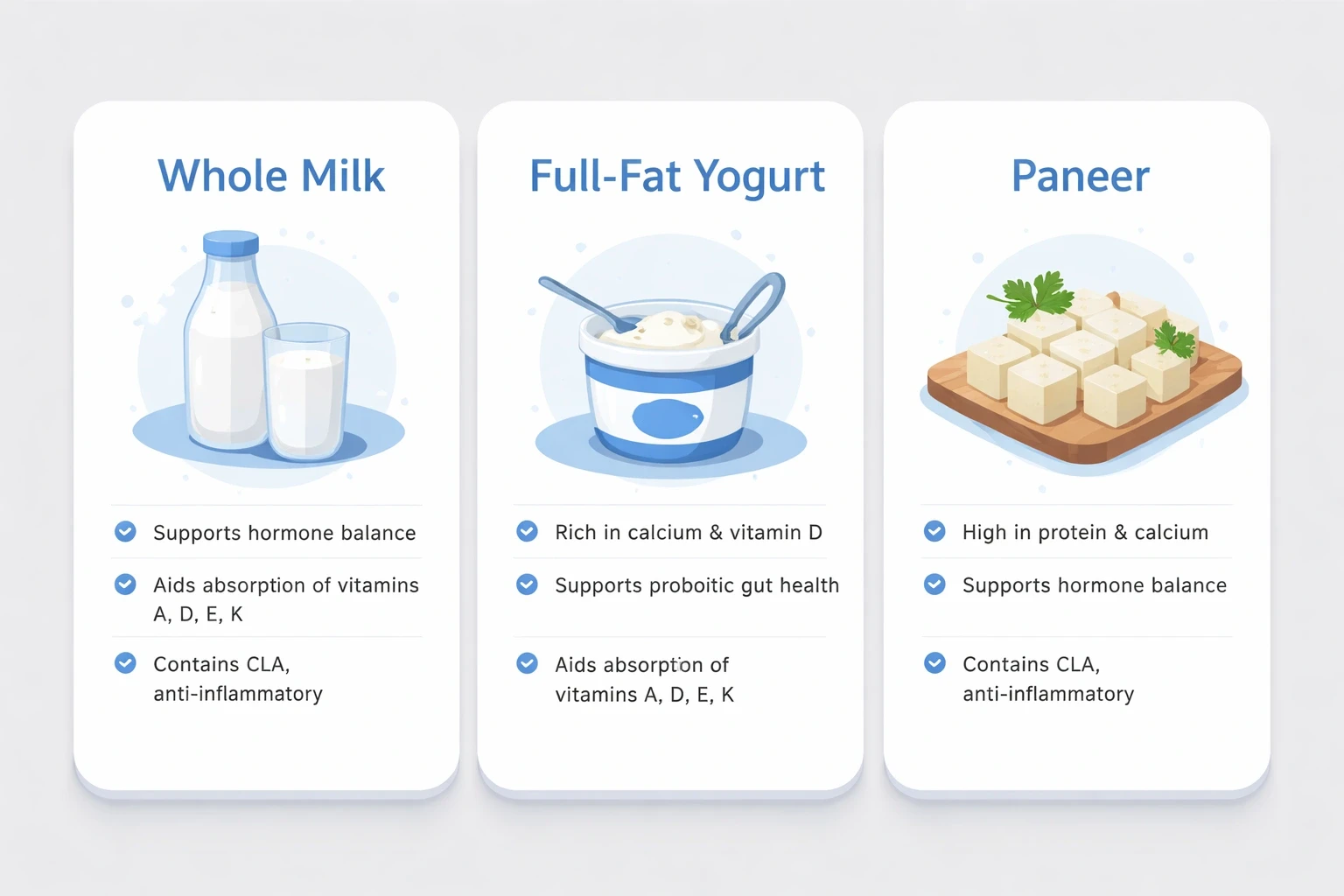
Whole milk, full-fat yogurt, paneer these support ovulation better than the low-fat versions. A Harvard School of Public Health study found women who ate full-fat dairy had a 27% lower risk of infertility than those who went low-fat. The fat helps you absorb vitamins A, D, E, and K, all critical for reproduction.
The fat also contains conjugated linoleic acid (CLA), which reduces inflammation and improves insulin sensitivity. The calcium and vitamin D support hormone production and regular periods. Plus, a serving of full-fat yogurt gives you probiotics for gut health, which ties back to hormone metabolism.
Go for organic, grass-fed if you can afford it. Have full-fat dahi with lunch, whole milk in your chai, or paneer in dinner. Just skip the sweetened versions added sugar cancels out the benefits.
I know this goes against the old "low-fat is better" advice, but personalized nutrition approaches recognize that some women need more healthy fats for their hormones to work, especially if they’re naturally lean or have a history of restrictive dieting.
Nuts and Seeds: Zinc and Selenium
Almonds, walnuts, pumpkin seeds, sunflower seeds these are small but mighty. They deliver zinc, selenium, and vitamin E, which are vital for egg maturation and sperm health. They also have arginine, an amino acid that boosts blood flow to reproductive organs. Just 30 grams a day makes a difference.
Zinc deficiency hurts follicle development and messes with your cycle. Selenium protects eggs from chromosomal damage and supports the thyroid (hypothyroidism is a common fertility culprit). Vitamin E improves cervical mucus quality, helping sperm get where it needs to go.
Soak nuts overnight to make them easier to digest. Grind flaxseeds into smoothies, sprinkle pumpkin seeds on salads, or grab a handful of almonds as a mid-morning snack. If you use nut butters, check the label for added sugars and hydrogenated oils.
The fats in nuts also help produce steroid hormones like estrogen and progesterone, and they help you absorb fat-soluble vitamins from other foods on your plate.
Whole Grains: Complex Carbs for Balance
Brown rice, quinoa, oats, whole wheat these provide B vitamins and fiber that keep insulin and blood sugar steady. Refined grains (white bread, white rice) spike glucose, which spikes insulin, which disrupts ovulation. The fiber in whole grains slows absorption, preventing that hormonal chaos.
B vitamins help with energy and nervous system function, both critical when you’re demanding more from your body. Quinoa is a standout because it’s a complete protein with all nine essential amino acids great for vegetarians trying to conceive.
Swap white rice for brown or quinoa, choose whole wheat flour, and eat steel-cut oats for breakfast. The steady energy prevents the blood sugar crashes that wear out your adrenal glands and throw off reproductive hormones.
Portion size still counts. Using exact-timed meal patterns that match your daily rhythm ensures these carbs fuel you rather than get stored as fat important because obesity hinders fertility.
Combining Foods for Maximum Benefit
Nutrient synergy is real. Iron from spinach absorbs better with vitamin C from berries. Zinc from seeds works better with vitamin E from nuts. Legumes and whole grains together form complete proteins.
Build meals that mix these groups: grilled salmon on quinoa with veggies, lentil soup with sautéed kale, or yogurt with berries and flaxseeds. You don't need to track every micronutrient if you plate looks varied.
Timing helps too. Eating bigger meals earlier matches your natural cortisol rhythm. Try the 30-40-30 formula for lunch: 30% protein (legumes/fish), 40% vegetables (greens), and 30% complex carbs (whole grains).
Foods to Avoid
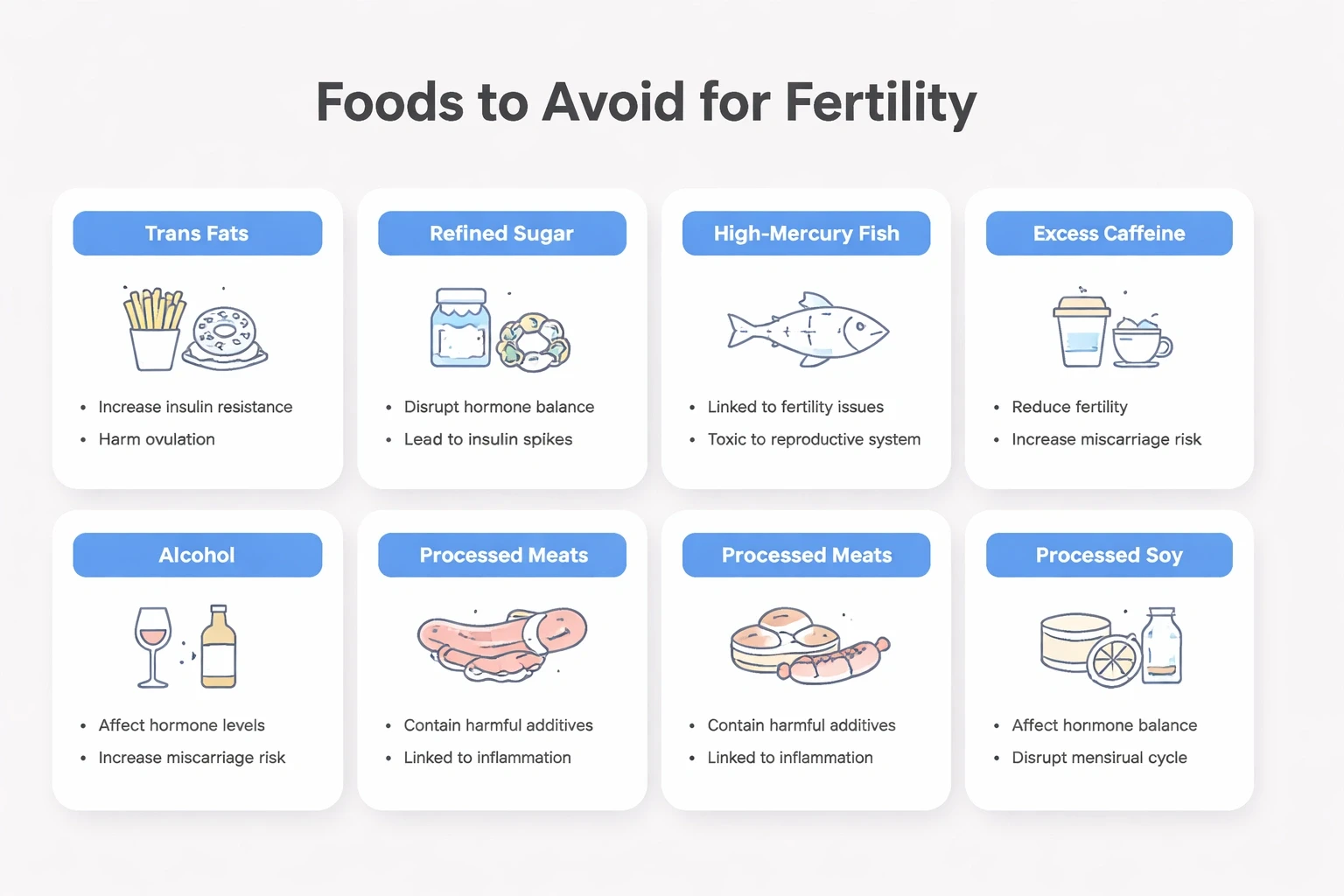
Some foods actively hurt fertility. Trans fats (partially hydrogenated oils) disrupt ovulation and increase inflammation. Excess refined sugar causes insulin resistance. High-mercury fish like swordfish can damage eggs.
Too much caffeine (over 200mg) might lower conception odds. Alcohol messes with hormone production and nutrient absorption both partners should cut back when trying. Processed meats are linked to inflammation.
Soy is complicated. Moderate whole soy like tofu or edamame can be fine, but processed soy isolates might affect the thyroid in some people. It’s individual.
What you avoid matters as much as what you eat. Generic diet plans often miss these personal nuances what helps one woman might hurt another.
Lifestyle Factors
Food works best with the right lifestyle. Stress raises cortisol, which suppresses reproductive hormones. Find a way to manage it yoga, meditation, walking. Sleep matters too; 7-9 hours is the target. Sleep deprivation hits the hormones that regulate appetite and fertility.
Moderate exercise improves insulin sensitivity and blood flow. But too much vigorous exercise (over an hour daily) can stop ovulation in some women. Listen to your body.
Environmental toxins matter. Plastics, pesticides, and certain beauty products act as endocrine disruptors. Go organic for the "dirty dozen," store food in glass, and check your personal care products.
These factors determine how well your body uses the food you eat. Tailor-made approaches that look at your whole picture diet, stress, sleep work better than just changing what's on your plate.
When to Get Help
Diet helps, but it has limits. If you’re under 35 and haven’t conceived in 12 months, or over 35 and haven't in 6 months, see a specialist. Irregular periods, severe pain, or known conditions like PCOS mean you should go sooner.
A nutritionist can spot deficiencies and build a plan for your specific hormonal profile. It’s better than guessing with generic templates.
Blood tests help. They check for iron, vitamin D, B12, thyroid issues, and inflammation markers. Fixing these clinically while cleaning up your diet covers all bases.
Book a consultation if you need help turning this into actual meals. Professional guidance helps you stop guessing and start targeting your specific issues.
Building Your Plan
Track what you eat for a few days. See which of the seven foods are missing. Add one new recipe a week rather than trying to change everything at once.
Set a framework: berries and nuts for breakfast, fruit mid-morning, legumes and greens for lunch (30-40-30 style), yogurt or seeds later, and fish or plant protein with veggies for dinner.
Prep ahead. Cook grains and legumes in batches. Chop veggies. Portion nuts. This removes the mental load during a busy week.
Remember, it takes about 90 days for follicles to mature. Give it 3-6 months to see changes in egg quality. Watch for better energy, sleep, and mood signs your metabolism is shifting.
Conclusion: Food as a Foundation
Fertility nutrition isn’t a guarantee, but it is a powerful tool. Fatty fish, leafy greens, legumes, berries, full-fat dairy, nuts, and whole grains help optimize hormones, reduce inflammation, and protect egg quality.
Start with two or three foods a day. Don't stress about perfection. See how your body responds. If you need more structured help, personalized nutrition guidance can turn these ideas into daily habits. Food provides the raw materials for new life give your body what it needs to use them.
More Blog Post
HEALTH
DIET
Why Generic Diets Fail: Personalized Nutrition Tips for Your Body
Discover why generic diets fail and how personalized nutrition can fix fatigue, gut issues, weight plateaus, and hormone imbalances.
Team Vasundhara
|
HEALTH
DIET
Sustainable Weight Loss: Avoid Crash Diets & Fix Your Metabolism
Crash diets fail. Learn sustainable weight loss tips to fix metabolism, eat real food, and build healthy habits for lasting results.
Team Vasundhara
|
HEALTH
DIET
What Makes Food 'Light' and How to Eat Lightly for Better Health
Discover what makes food 'light' and how to eat lightly for better digestion, energy, and overall health without restriction. Learn about nutrtion and diet
Team Vasundhara
|

HEALTH
DIET
Low-Calorie Dinner Ideas for Better Sleep & Energy
Discover low-calorie dinner recipes that boost sleep, reduce blood sugar spikes, and keep you energized. Nutrient-dense, satisfying meals under 450 calories. Read more.
Team Vasundhara
|

HEALTH
DIET
Optimize Meals with Body Rhythm: Personalized Nutrition Guide
Align meals with your body’s rhythm to boost digestion, energy, and weight loss. Get personalized nutrition tips for lasting health.
Team Vasundhara
|
HEALTH
DIET
Healthy Workplace Snacks to Avoid the 3 PM Crash | Vasundhara
Protein‑rich, nutrient‑dense snacks to keep you energized all day and prevent the 3 PM crash. Smart office snacking. #HealthyWorkplace #WeightLoss
Team Vasundhara
|
HEALTH
DIET
Smart Evening Snacks: Fuel Your Body, Not Your Cravings
Learn why you get hungry at night, how smart snacks prevent overeating, boost sleep, and aid sustainable weight loss.
Team Vasundhara
|
HEALTH
DIET
Beat the 4 PM Slump with Healthy Snacks | Metabolism Health
Beat the 4 PM slump with smart snacks. Protein, fiber & healthy fats keep you full, avoid crashes. Sustainable weight loss starts now.
Team Vasundhara
|
HEALTH
DIET
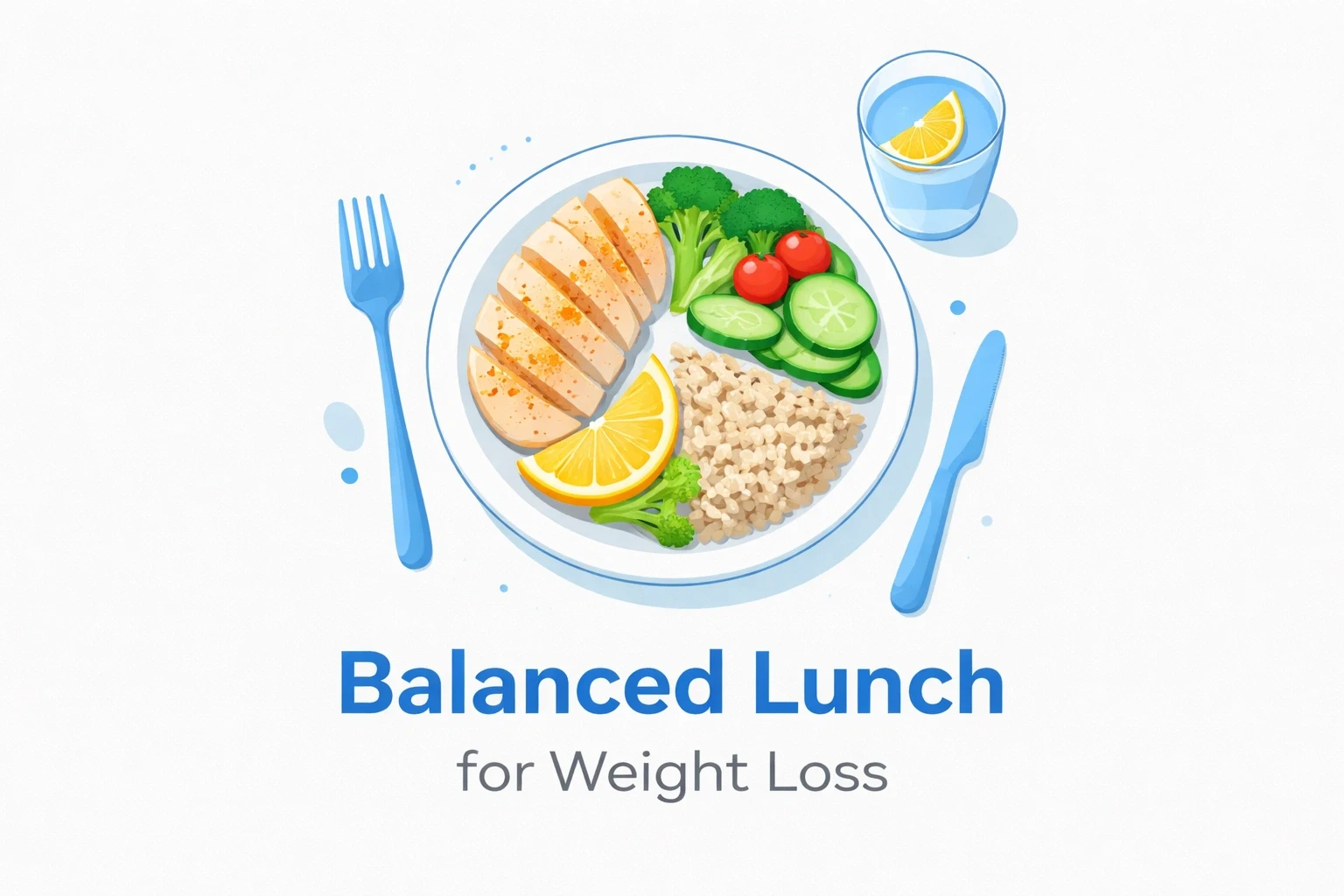
Lunch Fix: 30% Protein, 40% Veggies, 30% Carbs for Weight Loss
Discover the 30% protein, 40% veggies, 30% carbs lunch formula to stabilize blood sugar and avoid cravings. Simple, effective, and easy to prepare.
Team Vasundhara
|
HEALTH
DIET
The Science of Mid-Morning Snacks: Boost Metabolism & Energy
Discover why mid-morning snacks boost metabolism, balance hormones, and prevent overeating. Explore 10 healthy options for sustained energy.
Team Vasundhara
|
HEALTH
DIET
Healthy Office Lunch Ideas: 30-40-30 Formula for Energy
Pack a nutritious office lunch using the 30-40-30 formula. Stay full, avoid crashes, and boost productivity with simple lunch box tips.
Team Vasundhara
|
HEALTH
DIET
Smart Snacking Strategies for Healthy Weight Gain
Effective weight‑gain snack ideas that support digestion, avoid empty calories, and boost nutrient intake for sustainable muscle growth.
Team Vasundhara
|
HEALTH
DIET
Healthy 4 PM Snacks to Avoid Evening Binges
Healthy 4 PM snack ideas to stabilize blood sugar, prevent evening binges, and support weight loss, PCOS, and metabolism with nutrient-dense options.
Team Vasundhara
|
HEALTH
DIET
The 30-40-30 Lunch Formula: Beat Afternoon Slumps
Discover the 30-40-30 lunch formula for sustained energy. Balance protein, veggies, and carbs to avoid afternoon crashes and boost productivity.
Team Vasundhara
|
HEALTH
DIET
Healthy Hot Snacks: Beat the 3 PM Slump Without Crashing
Satisfy your 3 PM hunger with hot, nutrient-rich snacks that boost metabolism and avoid blood sugar crashes. Discover quick, healthy options here.
Team Vasundhara
|

HEALTH
DIET
30-40-30 Lunch Formula: Beat Afternoon Slumps with Healthy Meals
15 healthy lunch recipes using the 30-40-30 macro formula (protein, veg, carbs) for energy boost, meal prep tips, and portion control.
Team Vasundhara
|

HEALTH
DIET
Healthy Snack Recipes: Homemade Alternatives to Processed Foods
Discover healthy, homemade snack recipes that beat processed snacks. Get sustained energy with fresh, nutrient-packed options.
Team Vasundhara
|
HEALTH
DIET
7 Fertility-Boosting Foods for Optimal Reproductive Health
Explore 7 nutrient-rich foods that aid hormonal balance, egg quality & reproductive health—like fatty fish and leafy greens—to boost fertility.
Team Vasundhara
|
HEALTH
DIET
PCOS & Thyroid Diet Chart: Balanced Eating for Hormonal Health
PCOS & thyroid diet chart balances insulin, hormones, and metabolism for stable blood sugar, thyroid support, and sustainable weight loss.
Team Vasundhara
|
HEALTH
DIET
PCOS-Friendly Fruits: What to Eat & Avoid
Manage PCOS symptoms with the right fruit choices. Learn which fruits to eat and avoid for hormonal balance and insulin resistance.
Team Vasundhara
|
HEALTH
DIET
Managing High Testosterone: Diet Tips for Women
Diet tips to lower high testosterone in women: spearmint, flaxseeds, green tea and other anti‑androgen foods for natural hormonal balance.
Team Vasundhara
|
HEALTH
DIET
Dates & PCOS: Sugar‑Sweetened Fruits Impact Insulin Resistance
Dates high in sugar can spike insulin and worsen PCOS. Pair with protein to improve blood sugar control and hormone balance.
Team Vasundhara
|

HEALTH
DIET
PCOD Diet Chart: Insulin-Stable Meals & Hormone Balance
Structured PCOD diet chart with low‑glycemic meals, lean protein, anti‑inflammatory fats to stabilize insulin and balance hormones.
Team Vasundhara
|
HEALTH
DIET
Milk & PCOS: How Dairy Impacts Hormones & Insulin Resistance
Discover dairy's impact on PCOS, insulin resistance, hormones. Compare A1 vs A2 milk, fermented benefits, and personalized PCOS solutions.
Team Vasundhara
|
HEALTH
DIET
PCOS Indian Diet: Hormonal Balance with Heritage Foods
Traditional Indian foods like bajra roti & paneer help PCOS: balance insulin, lower androgens, thrive on a heritage diet.
Team Vasundhara
|
HEALTH
DIET
Best Morning Drink for PCOS: Fenugreek or Jeera Water
Warm water with soaked fenugreek or jeera‑methi seeds: top PCOS morning drink, stabilizes sugar, reduces bloating, boosts insulin sensitivity.
Team Vasundhara
|
HEALTH
DIET
IVF Diet Chart: Stage-Specific Nutrition for Fertility Success
IVF diet chart for each treatment stage—boost egg quality, implantation & hormone balance during stimulation, retrieval, and two‑week wait.
Team Vasundhara
|
HEALTH
DIET
Realistic PCOS Weight Loss: 2-4 kg in a Month Without Crash Diets
Achieve 2-4 kg PCOS weight loss in a month with sustainable habits. Avoid crash diets and focus on consistency for long-term results.
Team Vasundhara
|
HEALTH
DIET
Why HIIT Might Harm PCOS & Better Workouts
Discover why intense workouts like HIIT can worsen PCOS symptoms and learn PCOS-friendly exercises that support hormonal balance and weight loss.
Team Vasundhara
|

HEALTH
DIET
India's 2026 Double Burden: Undernutrition and Obesity Coexist
Explore India's 2026 nutrition crisis: undernutrition meets obesity, micronutrient gaps, and failing generic diets. Embrace personalized nutrition.
|

HEALTH
DIET
Protein-Rich Indian Snacks for a Healthy July 2026
Discover affordable, protein‑rich Indian snacks to fuel your day without imported bars. Build a snack routine that keeps you full and focused
|
HEALTH
DIET
Personalized Nutrition vs National Programs in India
Learn how India's National Nutrition Programs set health standards and how personalized nutrition tailors to individual needs for optimal results.
|

HEALTH
DIET
Personalized Thyroid Diet: 5 Key Nutrients for Health
Get a personalized thyroid diet chart, essential nutrients, timing tips, avoid mistakes, and boost metabolism with expert advice.
|
HEALTH
DIET
India's 2026 Nutrition Policy vs. Personalized Health Needs
India's 2026 Nutrition Policy targets the masses, but misses individual health. Learn why personalized nutrition is key for real results.
|

HEALTH
DIET
Coffee, PCOS & Moderation: What You Need to Know
Discover how coffee impacts PCOS. Learn about cortisol, timing, and additives that matter. Find out safe consumption tips for women with PCOS.
|